
The vast expanses of savanna plants define some of the planet’s most dynamic ecosystems. Found between tropical rainforests and deserts, savannas are home to a unique mix of grasses, shrubs, and scattered trees that support extraordinary biodiversity. These resilient savanna plants not only shape the landscape but also influence water cycles, soil health, and wildlife survival. From the iconic acacia trees of Africa to the hardy baobabs and deep-rooted grasses of South America and Australia, each plant species contributes to the balance of this ecosystem.
This article explores the ecological importance of savanna plants, their role in sustaining biodiversity, and the challenges they face in a changing climate. You’ll learn how these adaptable species help maintain the pulse of grassland ecosystems and why preserving them is vital for global environmental stability.
1. Savanna Plants: Definition and Key Characteristics
Savanna plants are species adapted to the open, grassy landscapes where trees are sparse, and rainfall is seasonal. Unlike dense forests, savannas have alternating wet and dry seasons that influence vegetation growth patterns. These plants have evolved unique traits such as deep root systems, fire resistance, and water storage abilities to survive harsh conditions.
Key characteristics include:
• Seasonal growth cycles depending on rainfall
• Thick bark and small leaves to prevent water loss
• Fire-resistant seeds and underground storage roots
• Symbiotic relationships with grazing animals
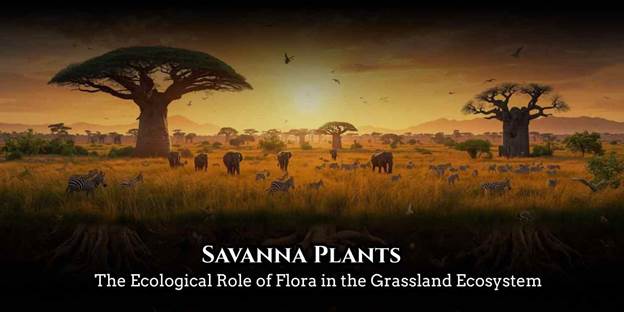
Common savanna plants include acacia, baobab, elephant grass, and lemon grass. Together, these species maintain soil fertility and prevent erosion, forming the ecological foundation of grassland habitats.
2. The Historical Evolution of Savanna Plants
The origin of these plants dates back millions of years when shifts in global climate transformed tropical forests into drier landscapes. This evolution encouraged the spread of drought-tolerant vegetation. Ancient grass species developed specialized photosynthetic mechanisms (C4 photosynthesis) that allowed them to thrive in intense sunlight and low moisture environments.
Over time, savanna vegetation became a mosaic of tall grasses, shrubs, and widely spaced trees. This diversity encouraged the rise of large herbivores like elephants, zebras, and antelopes, which in turn influenced plant evolution through grazing and seed dispersal. Today, savanna plants continue to adapt, offering critical lessons in ecological resilience and natural sustainability.
3. Importance of Savanna Plants in Biodiversity
Savanna plants play an essential role in maintaining biodiversity across continents. They provide food, shelter, and breeding grounds for numerous animal species. The grasses feed herbivores, while flowering shrubs and trees attract pollinators like bees and butterflies.
Ecological benefits include:
• Stabilizing the soil and reducing erosion
• Recycling nutrients through decaying organic matter
• Supporting herbivores that sustain predators
• Enhancing carbon storage through photosynthesis
Without savanna flora, entire food webs would collapse. These plants form the biological heartbeat of ecosystems stretching across Africa, South America, and Australia.
4. Ecological Benefits of Savanna Flora
The role of savanna plants extends beyond sustaining animal life they regulate natural cycles that influence the planet’s health.
Key ecological functions:
• Carbon Sequestration: Grasses and trees absorb CO₂, mitigating climate change.
• Hydrological Regulation: Root systems help retain water and recharge groundwater.
• Fire Ecology: Controlled burning rejuvenates growth and removes invasive species.
• Soil Enrichment: Leaf litter decomposes to restore essential nutrients.
In essence, savanna plants act as ecological engineers, shaping landscapes that support both terrestrial and atmospheric balance.
5. Challenges Facing Savanna Plants
Despite their resilience, savanna plants face numerous threats from human activity and climate change. Expanding agriculture, deforestation, and urbanization are reducing grassland cover. Frequent droughts and irregular rainfall patterns further stress plant survival.
Major challenges include:
• Overgrazing by livestock, leading to land degradation
• Habitat fragmentation due to farming and settlements
• Increasing frequency of wildfires
• Invasive species replacing native flora
If not managed carefully, these pressures could destabilize ecosystems and lead to loss of biodiversity that took millennia to develop.
6. Real-World Examples of Savanna Plants in Action
Examples from around the world highlight how savanna plants sustain both nature and communities:
• African Savannas: The acacia and baobab trees provide shade and food for elephants, giraffes, and birds.
• Australian Savannas: Eucalyptus and spinifex grasses dominate, protecting soil and supporting native marsupials.
• South American Cerrado: Over 12,000 species help store carbon and regulate rainfall.
Each region showcases how these plants have adapted to local conditions while maintaining global ecological importance.
7. The Future of Savanna Plants and Conservation Efforts
Efforts to protect savanna plants are gaining momentum worldwide. Conservationists are implementing reforestation projects, fire management practices, and sustainable grazing systems to restore balance. Educating local communities about the economic and ecological value of savanna flora is equally essential.
Sustainable tourism, biodiversity research, and seed banking initiatives are helping preserve genetic diversity. Protecting savanna plants is not just about saving trees and grasses it’s about safeguarding the intricate web of life that depends on them.
Conclusion
The survival of savanna plants is deeply tied to global biodiversity and climate stability. These resilient species are nature’s guardians, maintaining soil health, regulating water cycles, and sustaining wildlife. Protecting them ensures the preservation of one of Earth’s most balanced ecosystems. As humans, our role is to understand, respect, and restore these natural systems. By supporting conservation and sustainable practices, we can keep the savanna plants thriving for generations to come keeping the heartbeat of the grasslands alive and strong.