
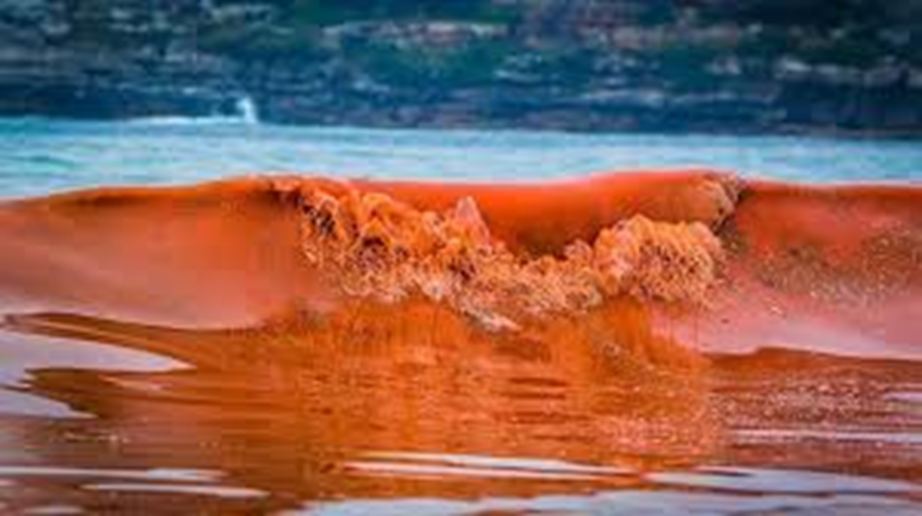
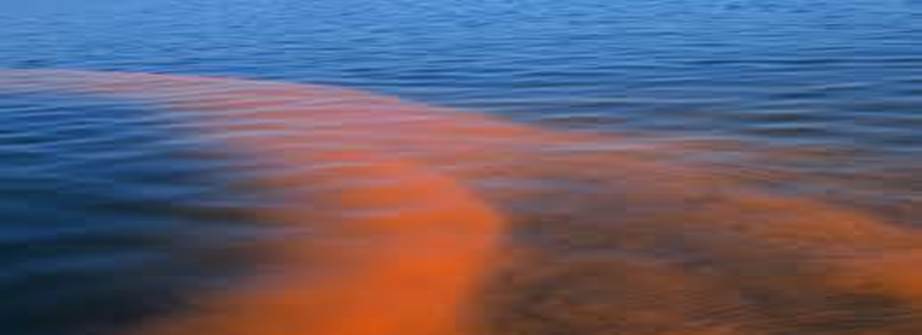
Red tide is a striking yet harmful ocean event that occurs when microscopic algae multiply excessively and change the color of seawater, often giving it a reddish or brown hue. Though visually fascinating, red tide is far from harmless it can release toxins that threaten marine species, disrupt fisheries, impact tourism, and affect human health. This phenomenon has been recorded worldwide, particularly in coastal regions like the Gulf of Mexico, South America, and Southeast Asia. Learning more about red tide, its origins, effects, and management strategies is key to safeguarding marine environments and coastal economies.
What Is Red Tide?
Red tide describes a harmful algal bloom (HAB) that takes place when certain algae, such as dinoflagellates, grow uncontrollably. The bloom often discolors the water and, in many cases, produces toxins. These toxins can affect marine organisms like fish, shellfish, turtles, and seabirds. For humans, consuming seafood from red tide affected areas can be dangerous, leading to foodborne illnesses. While not every algal bloom is toxic, red tide remains one of the most studied because of its ecological and economic consequences.
Main Causes of Red Tide
Although algae naturally occur in oceans, red tide happens when their growth is accelerated by specific conditions.
Major contributing factors include:
- Nutrient runoff: Fertilizers, sewage, and industrial waste enrich the water with nitrogen and phosphorus, which feed algal growth.
- Rising sea temperatures: Warmer water creates favorable environments for blooms.
- Still waters encourage bloom formation, as algae cluster together when circulation is weak.
- Seasonal patterns: Natural ocean cycles sometimes align to trigger large-scale red tide events.
Impact of Red Tide on Marine Ecosystems
One of the most devastating effects of red tide is its toll on marine animals. Fish and shellfish often die in large numbers after exposure to toxins. Marine mammals and birds that consume contaminated prey are also at risk. In addition, as algal blooms die off, they reduce oxygen levels in the water, leading to “dead zones” where few marine creatures can survive. Such disruptions weaken biodiversity and alter the balance of ocean ecosystems.
Health Concerns Linked to Red Tide
Red tide is also a human health hazard. Toxins from algae can spread through the air, irritating the eyes and lungs of beachgoers. People with asthma or respiratory problems are particularly vulnerable. Eating shellfish harvested from red tide–affected waters can cause illnesses, including:
- Neurotoxic Shellfish Poisoning (NSP)
- Paralytic Shellfish Poisoning (PSP)
- Diarrhetic Shellfish Poisoning (DSP)
This is why coastal authorities issue warnings and close fisheries when red tide outbreaks are detected.
Economic and Social Costs of Red Tide
The consequences of red tide extend beyond biology and health they affect livelihoods. Fisheries may face closures, tourism declines when beaches are polluted, and local businesses lose revenue. In regions that depend heavily on seafood and beach tourism, the economic damage can run into millions of dollars. For example, prolonged red tide events in Florida have caused both environmental and financial setbacks for coastal communities.
How Can Red Tide Be Managed?
Completely eliminating red tide is impossible, but proactive measures can help reduce its severity and impact.
Some key strategies include:
- Cutting nutrient pollution by controlling farm runoff and improving wastewater treatment.
- Strengthening monitoring systems to detect harmful algal blooms early.
- Educating the public about safety measures during outbreaks.
- Investing in scientific research to explore long-term control methods.
By combining community awareness, science-based solutions, and sustainable practices, societies can better cope with red tide events.
FAQ About Red Tide
1. Why does red tide happen?
Red tide occurs when environmental conditions such as nutrient-rich waters, warm temperatures, and calm seas allow algae to grow rapidly.
2. Is red tide harmful to humans?
Yes, red tide can cause respiratory irritation when toxins become airborne and can also lead to poisoning if contaminated seafood is eaten.
3. How long do red tide outbreaks last?
Red tide can persist for a few weeks or continue for several months, depending on weather, water conditions, and nutrient availability.
4. Can we prevent red tide completely?
No, but pollution control, monitoring, and responsible coastal management can help reduce its frequency and impact.
Conclusion
Red tide is both a natural and human-influenced event that brings serious challenges to marine life, public health, and local economies. Its dramatic appearance hides the harmful effects that ripple through ecosystems and communities. While it cannot be stopped entirely, taking steps such as reducing nutrient pollution, monitoring coastal waters, and spreading awareness can help manage the damage. Protecting our oceans from red tide is not just about science it’s about ensuring a safer and healthier future for both marine life and people.