
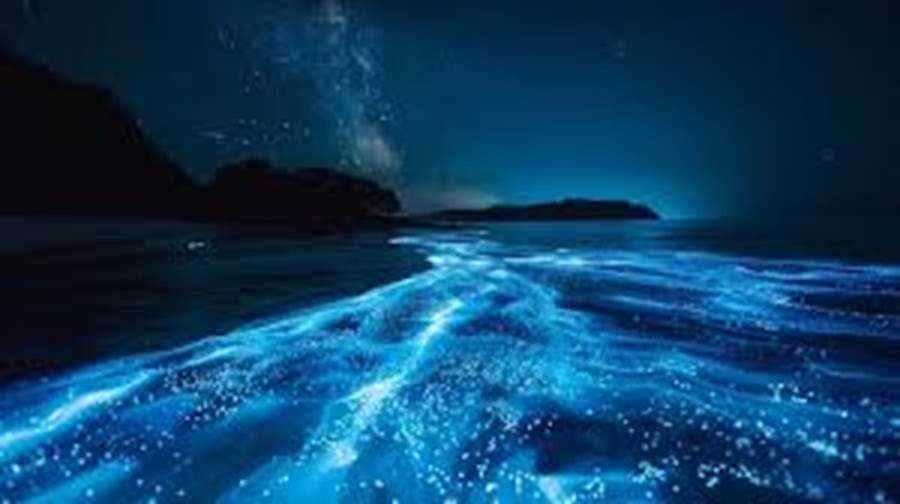
The sight of glowing oceans at night has fascinated people for centuries. Known as bioluminescent waves, this rare phenomenon transforms ordinary shorelines into sparkling, surreal landscapes. When the water is disturbed, countless microorganisms emit light, creating a neon-blue glow that seems almost otherworldly. Travelers, photographers, and scientists alike are drawn to these radiant seascapes, which are as mysterious as they are breathtaking. Beyond their beauty, bioluminescent waves also highlight the incredible diversity of marine ecosystems and the role of tiny organisms in shaping natural wonders.
In this article, we’ll explore how bioluminescent waves are formed, the science behind their glow, the best places to witness them, and why they matter in both ecology and tourism.
What Are Bioluminescent Waves?
Bioluminescent waves are glowing ocean waves caused by microscopic marine organisms called dinoflagellates. These organisms produce light through chemical reactions when the water around them is agitated. The result is a glowing effect that lights up the surf, sand, or even the movement of fish and boats.
This natural light show isn’t constant it depends on environmental conditions like water temperature, salinity, and nutrient levels. Some beaches only experience them seasonally, while others are well-known year-round destinations for bioluminescent activity.
The Science Behind the Glow
The glow of bioluminescent waves is caused by luciferin, a light-emitting molecule inside the dinoflagellates. When disturbed, luciferin reacts with oxygen to release energy in the form of light.
Key scientific facts about this glow include:
- The light is usually blue or green, as these colors travel farthest through water.
- The reaction is an evolutionary defense mechanism, startling predators or attracting larger predators to eat them.
- Each flash of light lasts just a fraction of a second, but with millions of organisms together, the waves appear to sparkle.
In many ways, bioluminescent waves are nature’s perfect blend of beauty and biology.
Best Places to See Bioluminescent Waves
To experience bioluminescent waves, travelers must choose specific destinations where conditions are ideal. Some well-known spots around the world are:
- Mosquito Bay, Puerto Rico – Often regarded as one of the brightest and most consistent bioluminescent bays globally.
- Toyama Bay, Japan – Famous for glowing firefly squid.
- Maldives – Certain islands experience glowing shorelines almost nightly.
- California, USA – Coastal areas like San Diego see seasonal blooms of glowing plankton.
- Luminous Lagoon, Jamaica – A popular tourist spot where boats leave glowing trails in the water.
If you want to experience bioluminescent waves, plan your trip during warmer months and avoid nights with a bright full moon, as the natural glow is best viewed in complete darkness.
Why Bioluminescent Waves Matter
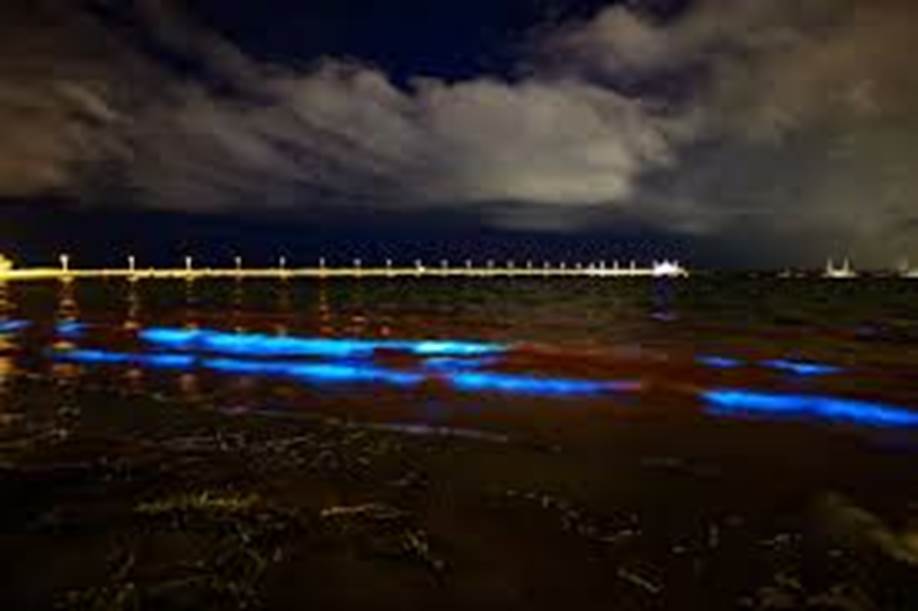
While bioluminescent waves are visually stunning, they also play an important role in understanding marine ecosystems.
- Ecological Indicators: Changes in the frequency or intensity of bioluminescence can signal shifts in water quality and climate conditions.
- Scientific Research: Studying the chemical process behind the glow has led to applications in medicine, genetics, and biotechnology.
- Tourism and Economy: Locations with frequent bioluminescent waves attract travelers, supporting local communities and businesses.
By combining science and tourism, bioluminescent waves highlight how nature’s beauty can inspire both wonder and learning.
Tips for Experiencing Bioluminescent Waves
If you plan to see bioluminescent waves in person, keep these tips in mind:
- Go at night when the sky is darkest for the brightest glow.
- Avoid artificial light, as flashlights and phone screens reduce visibility.
- Disturb the water gently with your hands or feet to trigger glowing patterns.
- Check local reports for seasonal blooms and best viewing conditions.
Being prepared enhances the magic of watching glowing oceans under the stars.
FAQs About Bioluminescent Waves
Q1: What causes bioluminescent waves?
Bioluminescent waves are caused by dinoflagellates that emit light when disturbed through a chemical reaction involving luciferin.
Q2: Are bioluminescent waves harmful?
Most bioluminescent waves are harmless, but some blooms—known as red tides—can release toxins. Always check local advisories before swimming.
Q3: When is the best time to see bioluminescent waves?
They are best viewed on warm, dark nights with minimal moonlight, usually in summer months.
Q4: Can bioluminescent waves be seen everywhere?
No, they are limited to certain coastal regions with high populations of glowing microorganisms, such as Puerto Rico, Maldives, and parts of California.
Conclusion
Bioluminescent waves are one of the ocean’s most magical phenomena, combining natural beauty with scientific intrigue. Caused by microscopic organisms, these glowing shorelines remind us of the mysteries hidden within our seas. From Puerto Rico to the Maldives, travelers seek them out for unforgettable experiences, while scientists study them to unlock secrets of biology and ecology.
Whether you’re a curious researcher, a photographer, or simply a lover of nature, witnessing bioluminescent waves is an awe-inspiring reminder of how extraordinary our planet truly is.