
Waste recycling plays a vital role in addressing the global challenge of managing the ever-increasing volume of discarded materials. In a world where consumption continues to rise, recycling transforms what was once considered waste into reusable and valuable resources. It not only reduces landfill pressure but also conserves energy and raw materials essential for future generations.
This article delves into the significance of sustainability practices, effective waste management, and innovative eco-friendly initiatives that are driving the shift toward a greener, circular economy. By exploring these key aspects, readers will gain insight into how recycling fosters environmental preservation and long-term social responsibility.
Understanding the Concept of Waste Recycling
Definition and Overview
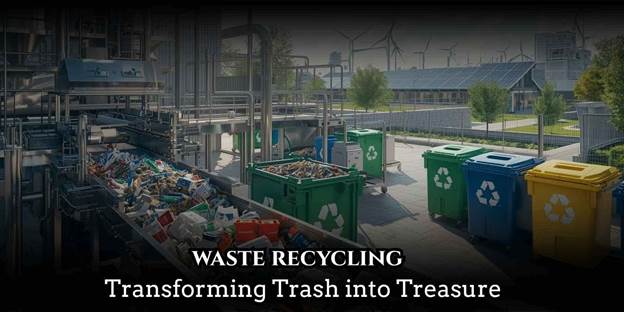
Waste recycling is the process of collecting and reusing discarded materials to create new products. It helps reduce reliance on natural resources, lower pollution, and support environmental sustainability. By turning plastics, glass, metals, and paper into reusable materials, recycling strengthens the circular economy and promotes responsible waste management for a cleaner planet.
Historical Background
The concept of waste recycling has existed for centuries, with ancient societies reusing materials like metal and glass to conserve resources. The practice evolved during the industrial revolution as waste increased, leading to organized waste management systems in the 20th century. Today, technological innovation and global sustainability practices have transformed recycling into a worldwide movement aimed at achieving zero-waste goals and promoting environmental responsibility.
Importance of Waste Recycling in Modern Society
Environmental Significance
Recycling plays a pivotal role in protecting ecosystems and conserving natural resources. By reducing the need for raw material extraction, it prevents deforestation, soil degradation, and loss of biodiversity. It also lowers carbon emissions from manufacturing and transportation.
Key environmental benefits include:
•Reduction of landfill waste and toxic emissions
•Conservation of water and energy used in production
•Decreased dependency on non-renewable resources
•Improvement in overall eco-friendly initiatives
Economic and Social Impact
The waste recycling industry boosts economic growth by generating jobs and driving green innovation. It promotes community engagement and civic responsibility through awareness programs and sustainability education, fostering a more conscious and eco-friendly society. Some major economic and social benefits are:
•Job creation in recycling plants and material recovery facilities
•Encouragement of small-scale businesses focused on green innovation
•Reduction of municipal waste disposal costs
•Promotion of cleaner, healthier communities
Benefits of Waste Recycling
Environmental and Resource Efficiency
Recycling helps conserve resources that are increasingly scarce due to overconsumption. For example, recycling aluminum saves up to 95% of the energy required to produce it from raw materials. Similarly, recycling paper reduces the need for tree cutting and water use. This efficient use of resources aligns with global environmental conservation goals.
Contribution to Climate Change Mitigation
By lowering greenhouse gas emissions, waste recycling plays a key role in climate change mitigation. Using recycled materials reduces energy consumption and supports environmental sustainability. Moreover, efficient waste management helps prevent methane emissions from landfills, contributing to a cleaner and eco-friendly future.
Promotion of Sustainable Consumption
Recycling encourages individuals and industries to rethink consumption patterns. Through the principles of reduce, reuse, and recycle, consumers can limit waste generation while maximizing product life cycles. These efforts contribute to green living, a lifestyle choice that supports the planet’s health and future generations.
Challenges Facing Waste Recycling
Inconsistent Waste Segregation
One of the most pressing challenges is poor waste segregation at the source. Many households and businesses fail to separate recyclable materials from organic and hazardous waste. This contamination makes recycling more difficult and costly. Improving public awareness and implementing stricter collection systems are crucial for addressing this issue.
Limited Recycling Infrastructure
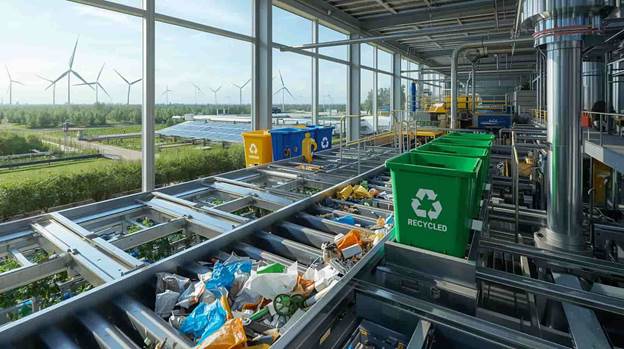
In many developing regions, the lack of proper infrastructure hampers waste recycling efforts. Collection systems, processing plants, and material recovery facilities are often insufficient to handle the growing volume of waste. Governments must invest in modern equipment, efficient logistics, and training programs to boost recycling rates.
Market and Economic Barriers
Fluctuating market demand for recycled materials can discourage industries from investing in recycling processes. Additionally, the cost of sorting and processing recyclables can sometimes exceed that of producing new materials. Policy incentives, subsidies, and global cooperation are essential to ensure the long-term sustainability of recycling initiatives.
Examples of Effective Waste Recycling Practices
Global Success Stories
Several countries have set outstanding examples in managing recyclable waste.
•Sweden converts nearly all its household waste into energy, with less than 1% ending up in landfills
•Germany operates under strict recycling laws and maintains one of the highest recycling rates globally
•Japan focuses on precision waste sorting and technological innovations for efficient material recovery
These nations demonstrate how proper planning and citizen participation can achieve remarkable sustainability results.
Local and Community-Based Programs
Community-driven initiatives also play a vital role in promoting waste recycling. Local organizations, schools, and volunteers participate in clean-up drives, awareness campaigns, and composting projects. These grassroots movements strengthen environmental values and inspire future generations to adopt green habits.
Technological Innovations
Advancements in technology continue to enhance recycling efficiency. Artificial intelligence and robotics are now used to identify and sort materials automatically, while chemical recycling processes convert plastics into reusable raw materials. Such innovations support the global shift toward smarter, sustainable waste management systems.
Future Outlook for Waste Recycling
As the world moves toward a low-carbon future, waste recycling will be vital for environmental sustainability and economic resilience. Advancing green technology, strengthening public awareness, and implementing better waste management policies can transform waste into a valuable resource, driving a cleaner and more sustainable future.
Conclusion
In summary, waste recycling is a powerful tool for promoting sustainable living and reducing environmental impact. It conserves resources, supports green innovation, and strengthens community awareness. By improving waste management systems and encouraging responsible habits, societies can build a cleaner, more resilient future for generations ahead.