
Industrial waste segregation plays a crucial role in ensuring that factories and manufacturing units handle their byproducts responsibly, reducing harm to the environment. By separating recyclable, hazardous, and non-hazardous materials, industries can minimize pollution and promote sustainable operations.
This article explores how proper segregation supports waste management efficiency, reduces environmental pollution, and encourages resource recovery. Readers will also learn about practical methods industries can adopt to streamline waste handling and comply with environmental regulations. Ultimately, understanding how to manage waste responsibly is not just a legal requirement a commitment to preserving the planet for future generations.
The Concept and Evolution of Industrial Waste Segregation
Definition and Overview
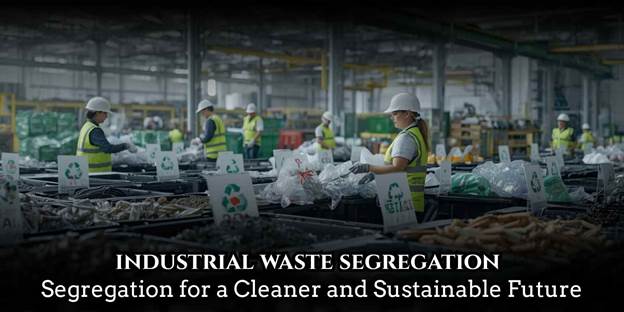
Industrial waste segregation is the organized process of dividing industrial byproducts into recyclable, non-recyclable, and hazardous categories. This practice supports waste management efficiency, reduces environmental pollution, and promotes resource recovery. By managing waste at the source, industries ensure safer disposal, improved sustainability, and compliance with environmental protection laws.
Historical Background
The concept of industrial waste segregation emerged in the late 20th century as environmental pollution and waste generation increased. To combat rising landfill pollution, governments promoted waste sorting to improve resource recovery. Advancements in waste management technology later introduced automated systems that efficiently classify materials by type and composition.
Importance of Proper Segregation
Environmental Protection
Segregating waste helps protect soil, water, and air from contamination. When hazardous materials like solvents, oils, or heavy metals mix with general waste, they can cause severe ecological damage. Proper segregation prevents toxic substances from leaching into the environment and supports cleaner production practices.
Legal and Regulatory Compliance
Many countries have strict regulations mandating industrial waste segregation. Failure to comply can lead to heavy fines, license revocations, or even factory shutdowns. Compliance ensures that industries operate within environmental frameworks such as ISO 14001 and local environmental protection laws.
Promoting Circular Economy
A well-implemented segregation system supports the concept of a circular economy, where materials are reused, recycled, or repurposed instead of being discarded. This reduces the demand for raw materials and lowers carbon emissions associated with production.
Benefits of Industrial Waste Segregation
Economic Advantages
Industries that adopt efficient segregation systems often experience financial gains. Recyclable materials such as metals, plastics, and paper can be sold to recycling companies, generating additional revenue. Furthermore, proper waste handling reduces disposal costs and minimizes fines associated with environmental violations.
Enhanced Operational Efficiency
Segregation helps industries streamline waste collection and processing. By identifying waste categories at the source, companies can implement targeted treatment methods. For instance:
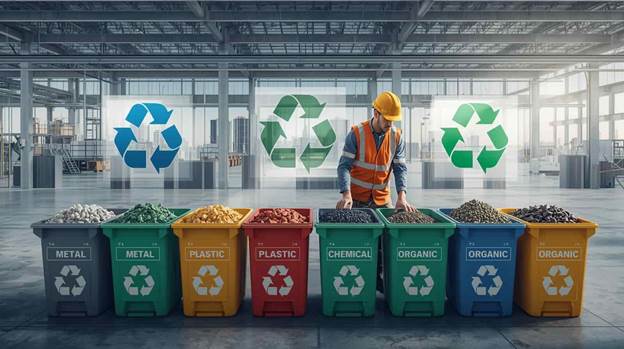
•Metal scraps can be directly sent to recycling units
•Chemical waste can be neutralized or safely stored
•Organic waste can be converted into bioenergy or compost
This organized approach saves time, space, and labor costs, ultimately improving productivity.
Contribution to Sustainability
By practicing industrial waste segregation, companies actively contribute to sustainability goals. Segregation minimizes the use of landfills, promotes environmental pollution control, and conserves natural resources. Sustainable waste management not only enhances corporate reputation but also aligns with global climate action initiatives.
Challenges in Implementing Segregation
Lack of Awareness and Training
One of the biggest challenges industries face is the lack of awareness among employees about the importance of segregation. Without proper training, workers may mix waste types, leading to contamination. Educational programs and regular workshops can help reinforce the importance of correct waste handling.
Infrastructure and Technology Barriers
Some industries, especially small and medium enterprises, lack the infrastructure or technology required for effective industrial waste segregation. Manual sorting is time-consuming and often inaccurate. Introducing automated systems or digital tracking tools can significantly improve efficiency and accuracy.
Cost and Resource Limitations
While segregation provides long-term benefits, initial setup costs can be high. Expenses include installing collection bins, labeling systems, and investing in segregation technology. However, these costs can be recovered over time through recycling revenue and reduced waste management fees.
Real-World Examples
Manufacturing Sector
In automobile manufacturing, metal scraps, plastics, and rubber waste are separated and recycled to produce new components. For example, steel shavings are remelted and reused, reducing the demand for new metal extraction.
Chemical and Pharmaceutical Industries
These industries often deal with hazardous and non-hazardous waste. Through industrial waste segregation, they ensure that harmful chemicals are isolated and treated separately to prevent environmental contamination. This practice also supports compliance with hazardous waste regulations.
Food and Beverage Industry
Food-processing units generate large quantities of organic waste. By separating biodegradable materials from packaging waste, these industries can convert organic waste into biogas or compost, supporting resource recovery and reducing methane emissions.
Practical Steps for Effective Segregation
To successfully implement industrial waste segregation, industries should follow structured steps:
1.Identify and classify waste types produced in operations
2.Install color-coded bins for easy identification
3.Train staff to handle and dispose of waste properly
4.Monitor and audit waste management practices regularly
5.Collaborate with certified recyclers for safe waste disposal
6.Use digital tracking to measure waste reduction progress
The Future of Industrial Waste Management
As environmental regulations become stricter, industrial waste segregation will play an even more vital role in sustainable business operations. The future will likely see the integration of smart technologies such as AI-driven waste sorting, IoT-based monitoring systems, and blockchain for transparent waste tracking. These innovations will make segregation more accurate, cost-effective, and eco-friendly. By embracing these advancements, industries can achieve sustainable production while protecting the environment for future generations.
Conclusion
In summary, industrial waste segregation is vital for achieving environmental sustainability and effective waste management efficiency. By properly sorting hazardous and recyclable materials, industries can reduce pollution control challenges, support resource recovery, and promote eco-friendly growth. Continuous innovation and awareness will ensure cleaner production processes and a healthier planet for generations to come.