
As global temperatures continue to rise and weather patterns grow increasingly unpredictable, climate adaptation strategies have become essential for building resilience in both nature and society. These approaches focus on helping ecosystems and communities adjust to environmental changes while reducing vulnerability to future risks. From sustainable resource management and ecosystem restoration to disaster preparedness and community-based adaptation, the goal is to create systems capable of thriving amid uncertainty.
This article explores practical solutions, innovative policies, and local actions that support climate resilience, sustainable development, and biodiversity conservation. By understanding and implementing adaptive measures, societies can safeguard livelihoods and natural habitats against the growing challenges of climate change.
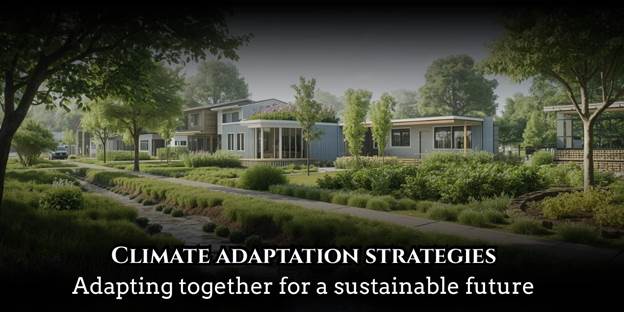
Understanding Climate Adaptation Strategies
Climate adaptation strategies refer to proactive measures taken to adjust natural and human systems in response to actual or expected climate impacts. These strategies aim to minimize harm while taking advantage of potential opportunities arising from environmental shifts. Adaptation is not just about surviving climate change; it’s about building long-term resilience. It combines scientific knowledge, traditional practices, and community-based planning to protect lives, livelihoods, and ecosystems.
Background and Evolution of Climate adaptation strategies
Adaptation has evolved alongside growing global awareness of climate change. Initially, international discussions focused on mitigation reducing greenhouse gas emissions. However, as climate impacts intensified, the need for adaptation became evident. The United Nations Framework Convention on Climate Change (UNFCCC) and the Paris Agreement emphasized adaptation as a core element of global climate action. Over time, adaptation has expanded from emergency responses to long-term, strategic planning integrated into national development policies.
Importance of Climate Adaptation strategies
Adapting to a changing climate is critical for ensuring the survival and prosperity of Climate adaptation strategiesboth people and ecosystems. Effective adaptation reduces vulnerability and enhances resilience to threats like droughts, floods, heatwaves, and rising sea levels.
Key reasons why adaptation is essential include:
- Protecting human health and food security
- Ensuring sustainable water and energy supplies
- Conserving biodiversity and natural resources
- Strengthening infrastructure and disaster preparedness
- Supporting economic stability in climate-sensitive sectors like agriculture and tourism
When well-implemented, climate adaptation strategies provide a pathway for achieving sustainable development and environmental resilience.
Major Approaches to Adaptation strategies
1. Ecosystem-Based Adaptation (EbA)
This approach uses natural systems to buffer communities against climate impacts. Examples include restoring wetlands to manage floods or protecting mangroves to reduce coastal erosion.
2. Community-Based Adaptation (CBA)
CBA empowers local populations to design and implement adaptation actions suited to their needs and resources. It integrates indigenous knowledge with scientific research.
Examples:
• Farmers using drought-resistant crops
• Villages developing early warning systems for floods
• Local water-sharing agreements during dry seasons
3. Technological and Infrastructure Adaptation
Modern technology plays a key role in adaptation. Innovations such as smart irrigation systems, renewable energy sources, and resilient building designs help communities cope with extreme conditions.
Applications include:
• Climate-resilient roads and bridges
• Solar-powered water pumps
• Weather forecasting apps for farmers
Benefits of Climate Adaptation strategies
Implementing climate adaptation strategies offers multiple social, economic, and environmental benefits.
Environmental benefits:
• Protects habitats and promotes ecosystem stability
• Reduces soil degradation and desertification
• Encourages sustainable land and water management
Economic benefits:
• Minimizes financial losses from disasters
• Creates green jobs in renewable energy and conservation
• Reduces long-term recovery costs through preventive measures
Social benefits:
• Enhances community resilience and security
• Promotes health and well-being through cleaner environments
• Strengthens social networks and cooperation in crisis management
Challenges in Implementing Adaptation Strategies
Despite the clear advantages, several barriers hinder effective adaptation.
Key challenges include:
• Limited funding and financial resources
• Lack of technical expertise and infrastructure
• Weak governance and institutional coordination
• Inadequate public awareness or political will
• Uncertain climate projections affecting planning accuracy
Addressing these challenges requires international collaboration, capacity building, and inclusive policy frameworks.
Global Examples of Successful Adaptation strategies
Bangladesh: Flood-Resilient Agriculture
Farmers in Bangladesh have developed floating gardens vegetable beds built on rafts to withstand frequent flooding. This innovation ensures food security during extreme monsoon seasons.
Kenya: Drought Management Programs
Kenya’s National Drought Management Authority integrates early warning systems with community-based planning to protect livestock and water resources during dry spells.
Netherlands: Water-Smart Urban Design
The Netherlands uses advanced engineering and green infrastructure like floodable parks and elevated roads to manage rising sea levels and heavy rainfall.
Costa Rica: Forest Conservation for Climate Resilience
Costa Rica’s reforestation policies and payment for ecosystem services have restored biodiversity, supported rural livelihoods, and reduced climate vulnerability.

Integrating Adaptation into Policy and Development
National and local governments must embed climate adaptation strategies into economic planning, urban design, and environmental management. Policy frameworks should encourage innovation, protect vulnerable communities, and ensure that adaptation actions complement mitigation efforts.
Effective policy measures include:
• Investing in nature-based solutions
• Promoting climate-smart agriculture
• Strengthening disaster risk management systems
• Enhancing education and public awareness
Conclusion
In summary, climate adaptation strategies play a vital role in building resilience against the growing challenges of climate change. By integrating ecosystem-based, community-driven, and technological solutions, societies can safeguard both nature and livelihoods. These strategies not only strengthen climate resilience but also promote sustainable development and biodiversity protection. As global risks continue to rise, investing in adaptive measures today ensures a safer, more sustainable tomorrow. To make a lasting impact, individuals and communities should continue to learn moreand take active steps toward a climate-resilient future.