
Every day, tons of waste are produced, but have you ever wondered how does recycling work to turn that trash into something useful again? Recycling is the hidden engine behind a cleaner, greener world, transforming used materials into new, valuable products.
In this article, we’ll explore how discarded items go through sorting, processing, and remanufacturing to reduce pollution and conserve natural resources. You’ll also discover why embracing eco-friendly habits and effective waste management can make a real difference for our planet’s future.
Understanding Recycling: What It Really Means
Recycling involves gathering, treating, and repurposing materials that might otherwise end up as waste.It turns old or used items into new products, helping conserve natural resources and reduce pollution. The question how does recycling work goes beyond simple collection it involves a detailed system designed to protect our planet and promote sustainable living.
A Brief History of Recycling
The concept of recycling is not new. Ancient civilizations reused bronze, glass, and paper long before modern recycling programs began. However, organized recycling gained momentum during the industrial revolution when resource scarcity became a concern. In the 1970s, the global environmental movement inspired governments and communities to adopt formal waste management systems. Since then, recycling has evolved with improved technology, allowing better sorting, processing, and reuse of materials.
How Does Recycling Work: The Step-by-Step Process
Understanding the recycling process helps us see how small actions contribute to major environmental change. Here’s a closer look at how waste is transformed into valuable resources:
1. Collection and Transportation
Recyclable materials are collected from households, schools, and businesses through curbside bins, recycling centers, or drop-off stations. Trucks transport these materials to a recycling facility or Material Recovery Facility (MRF).
2. Sorting and Separation
Once at the facility, materials are sorted manually or using automated systems such as magnets, optical scanners, and air classifiers. They are separated into categories like:
•Paper and cardboard
•Glass bottles and jars
•Aluminum and steel cans
•Plastic containers and packaging
3. Cleaning and Processing
Sorted materials are cleaned to remove impurities such as labels, food residues, or dirt. After cleaning, they are processed melted, shredded, or pulped depending on the type of material.
4. Manufacturing New Products
Processed materials are sent to manufacturers to create new items such as recycled paper, plastic furniture, metal cans, and glass bottles. This stage closes the loop, showing how waste can become useful again.
5. Distribution and Reuse
The recycled products are distributed to retailers and consumers, reentering the market. This completes the cycle and reduces the need for new raw materials.
Importance of Recycling for a Sustainable Planet
Recycling is one of the most effective ways to minimize environmental impact. It supports eco-friendly habits and promotes responsible consumption. Here are some reasons why recycling matters:
•Conserves resources: Recycling saves raw materials such as timber, water, and minerals.
•Reduces energy use: Manufacturing from recycled materials consumes less energy than using virgin resources.
•Prevents pollution: It minimizes air and water pollution caused by landfills and incineration.
•Promotes a circular economy: Encourages ongoing reuse of materials rather than following the traditional “use and throw away” approach.
By understanding how does recycling work, we realize that every recycled item contributes to global sustainability.
Benefits of Recycling
The advantages of recycling extend beyond just waste reduction. It influences various sectors including the economy, environment, and communities.
Environmental Benefits
Recycling reduces greenhouse gas emissions and slows climate change. It helps preserve ecosystems and decreases deforestation. For example, recycling paper saves trees and reduces the need for logging.
Economic Benefits
Recycling creates job opportunities in collection, sorting, and manufacturing industries. It also supports innovation in eco-friendly technologies and packaging solutions.
Social Benefits
Communities that practice recycling foster environmental awareness and responsibility. It encourages people to take small actions that collectively create a big difference.
Challenges in the Recycling Process
Despite its benefits, recycling faces several challenges that need attention:
•Contamination: Mixing non-recyclable waste with recyclables can lower the quality of processed materials.
•Lack of awareness: Many people are still unaware of proper sorting practices.
•Limited infrastructure: Some regions lack recycling plants or efficient collection systems.
•Economic barriers: Market fluctuations can affect the profitability of recycled materials.
Overcoming these challenges requires better education, innovation, and policy support to make recycling more efficient and accessible.
Examples of Successful Recycling Programs
Several countries and companies have implemented outstanding recycling initiatives.
•Sweden: Known for recycling nearly 99% of its household waste through advanced waste management systems.
•Japan: Focuses on separating waste into multiple categories for effective processing.
•Coca-Cola: Uses recycled plastic (rPET) in many of its bottles, reducing virgin plastic use.
•Local communities: Many cities now offer incentive-based recycling programs that reward citizens for proper waste segregation.
These examples prove that when people understand how does recycling work, collective efforts can lead to remarkable environmental results.
The Future of Recycling
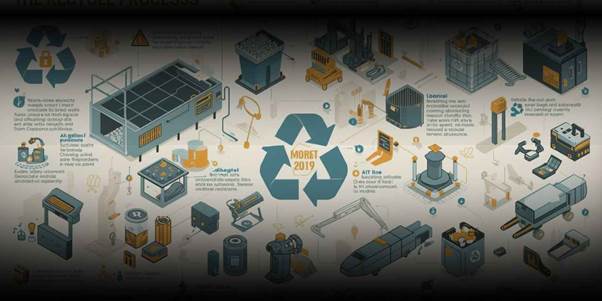
With technology evolving, the future of recycling looks promising. Innovations such as AI-driven sorting systems, biodegradable packaging, and chemical recycling methods are reshaping waste management. Governments and industries are working toward zero-waste goals, emphasizing resource recovery and environmental balance.
To make a lasting impact, individuals can:
- Separate recyclables correctly at home.
- Reduce single-use plastics.
- Support eco-friendly brands.
- Spread awareness about sustainable living.
Conclusion
Understanding how does recycling work helps us realize that every small action contributes to a larger environmental impact. Recycling reduces waste, conserves natural resources, and promotes sustainable living for future generations. By supporting better waste management practices and embracing eco-friendly habits, we can help build a cleaner and greener planet. Let’s continue learning, spreading awareness, and exploring ways to make recycling an essential part of everyday life. Together, we can turn today’s trash into tomorrow’s valuable treasure.