
Keeping your garden green during scorching summers can be a real challenge, especially when water is scarce. That’s where the best drought resistant plants come to the rescue offering beauty, resilience, and low maintenance even in the toughest conditions. These hardy species not only save water but also add color, texture, and life to your landscape. In this article, we’ll explore a variety of heat-tolerant plants, low-water landscaping ideas, and eco-friendly gardening tips to help you create a thriving outdoor space that flourishes year-round, no matter how dry the climate gets.
What Are Drought-Resistant Plants?
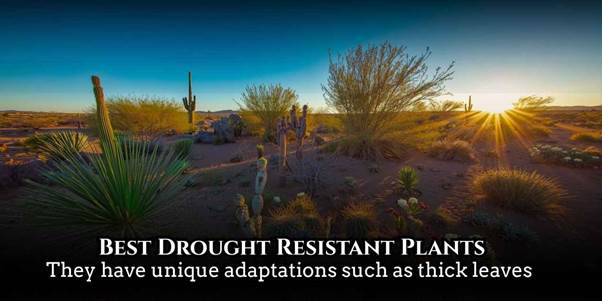
Drought-resistant plants, often known as xerophytes or water-wise plants, are species that can survive and even thrive in environments with minimal water. They have unique adaptations such as thick leaves, deep root systems, and waxy coatings that help them retain moisture. These plants are ideal for regions that experience long dry spells or water shortages, making them a sustainable choice for both urban and rural landscapes.
A Brief Background of Drought-Tolerant Gardening
Drought-tolerant gardening dates back to ancient civilizations such as Egypt and Mesopotamia, where people cultivated hardy plants that could withstand arid conditions. Over time, this approach evolved into what we now call xeriscaping, a landscaping method focused on water conservation. Today, as climate change intensifies and water scarcity becomes a global issue, drought-resistant gardening is gaining popularity among homeowners, farmers, and environmentalists alike.
Importance of Choosing the Right Plants
Selecting the right plants for dry and hot climates is not only about saving water it’s about sustainability. With increasing global temperatures, many regions face the challenge of maintaining green spaces without excessive irrigation. Using low-water plants reduces water bills, conserves natural resources, and supports biodiversity. Furthermore, these plants often require less fertilizer and maintenance, helping you maintain a healthier and more eco-friendly garden.
Key Benefits of Drought-Resistant Plants
Growing drought-tolerant species brings a variety of environmental and practical benefits:
- Water Efficiency: They require significantly less watering, ideal for dry regions.
- Low Maintenance: Perfect for busy gardeners who want a lush look with minimal effort.
- Soil Protection: Their roots help prevent erosion and maintain soil structure.
- Eco-Friendly: Less dependence on irrigation systems means reduced carbon footprint.
- Aesthetic Appeal: Available in diverse shapes, colors, and textures for creative landscaping.
Characteristics That Help Them Survive
Most drought-resistant species have evolved remarkable survival mechanisms:
- Deep Roots: To reach underground moisture.
- Waxy or Hairy Leaves: To reduce water loss through evaporation.
- Succulent Stems: To store water for dry periods.
- Small or Needle-Like Leaves: To minimize transpiration.
- Efficient Photosynthesis: Some use CAM (Crassulacean Acid Metabolism) to retain water.
Top 10 Best Drought Resistant Plants for Dry Climates
Let’s explore some popular and reliable drought-tolerant plants that can handle heat and limited water supply.
1. Lavender
Lavender is a fragrant herb that thrives in full sun and well-drained soil. It’s perfect for dry landscapes and attracts pollinators like bees and butterflies.
2. Agave
A striking succulent plant known for its bold rosette shape and ability to withstand extreme heat. Once established, it needs minimal watering.
3. Rosemary
This aromatic herb not only adds flavor to your dishes but also survives on very little water, making it a staple in Mediterranean gardens.
4. Cactus
Cacti are the icons of desert resilience. Their fleshy stems store water, allowing them to flourish even in sandy or rocky soils.
5. Bougainvillea
A vibrant flowering vine that thrives in hot climates. It adds color to walls and fences while requiring minimal care.
6. Aloe Vera
A popular succulent known for its medicinal properties. Aloe is excellent for arid environments and can even grow indoors with bright light.
7. Sedum (Stonecrop)
Sedums are hardy perennials that come in various shapes and colors. They can tolerate poor soil and prolonged dry periods.
8. Yucca
With its sword-like leaves and tall flower spikes, Yucca adds architectural beauty to gardens while being highly drought-tolerant.
9. Lantana
This colorful flowering shrub attracts butterflies and thrives in hot, dry regions with little water.
10. Oleander
Oleanders are tough, evergreen shrubs that produce beautiful clusters of flowers and handle intense sun with ease.
Challenges in Growing Drought-Resistant Plants
Although they are resilient, these plants still require proper care to thrive. Some common challenges include:
- Overwatering: Many gardeners mistakenly water them too often, causing root rot.
- Poor Drainage: These plants prefer well-drained soil; soggy conditions can be harmful.
- Cold Sensitivity: Some species struggle in frost-prone areas.
- Pest Control: While hardy, they can still attract pests like aphids or mealybugs.
Tips to Overcome These Challenges
- Use gravel or sandy soil to improve drainage.
- Water deeply but infrequently to encourage root growth.
- Add organic mulch to retain soil moisture.
- Place plants in sunny spots suitable for their natural habitat.
Designing a Drought-Tolerant Landscape
Creating a beautiful water-wise garden doesn’t mean sacrificing aesthetics. You can design stunning landscapes with vibrant colors and textures by combining succulents, ornamental grasses, and native plants. Consider grouping plants with similar water needs, adding decorative rocks, and using drip irrigation systems for efficiency.
Sustainable Gardening for the Future
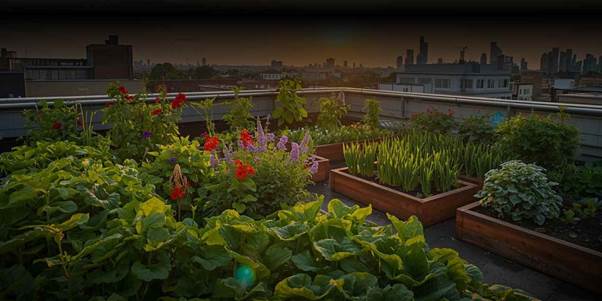
Incorporating drought-tolerant plants is a step toward sustainable living. As water scarcity grows, these plants offer a smart, long-term solution to maintain greenery without draining natural resources. Whether you live in a desert region or simply want a low-maintenance garden, adopting the best drought resistant plants will help you conserve water, reduce effort, and create a thriving, eco-friendly environment.
By understanding their unique traits and caring for them properly, you can enjoy a lush, vibrant garden that stands strong against the challenges of heat and dryness a true celebration of nature’s resilience.
Conclusion
In conclusion, incorporating the best drought resistant plants into your garden is a practical and eco-friendly way to create a vibrant, sustainable landscape. These hardy species not only save water but also thrive beautifully in dry and hot climates with minimal care. By choosing smart, water-wise options, you contribute to environmental conservation while enjoying a lush, colorful space year-round. Explore more about drought-tolerant gardening and discover new ways to make your outdoor area both resilient and breathtaking even when the heat is at its peak.