
In today’s rapidly industrializing world, air pollution control technologies have become vital for protecting both the environment and human health. From urban smog to factory emissions, the growing levels of airborne contaminants threaten ecosystems and respiratory well-being worldwide. These air pollution control technologies are designed to capture, filter, or neutralize harmful particles and gases before they reach the atmosphere.
This article explores the definition, evolution, and importance of these technologies while uncovering innovative methods like electrostatic precipitators, scrubbers, and catalytic converters that lead us toward cleaner air. Readers will also discover the benefits, challenges, and real-world applications of these solutions. By the end, you’ll understand how air pollution control technologies are driving global efforts to ensure a sustainable and healthier future for all.
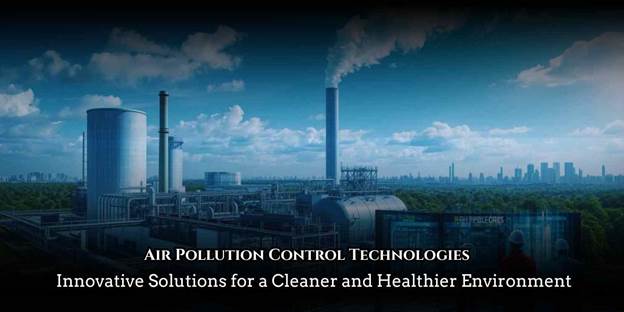
What Are Air Pollution Control Technologies?
Air pollution control technologies refer to systems and processes developed to minimize the release of pollutants from industrial, vehicular, and domestic sources. These technologies help manage contaminants such as particulate matter, nitrogen oxides (NOx), sulfur dioxide (SO₂), volatile organic compounds (VOCs), and greenhouse gases.
Some of the most common air pollution control technologies include:
• Electrostatic precipitators – use electrical charges to trap fine dust particles
• Baghouse filters – capture dust and debris from industrial exhaust
• Scrubbers – wash gases with liquid solutions to remove pollutants
• Catalytic converters – transform toxic gases into less harmful emissions
Each method targets specific pollutants and is chosen based on the emission type, making these air pollution control technologies a cornerstone of modern environmental engineering.
The Evolution and Importance of Modern Air Pollution Control Systems
The development of air pollution control technologies dates back to the Industrial Revolution when coal burning caused heavy smog and respiratory diseases. Early attempts focused on simple filtration and chimney height adjustments. Over time, science and innovation have introduced advanced systems capable of tackling microscopic pollutants and chemical toxins.
Today, the importance of air pollution control technologies extends beyond industry. Governments and environmental organizations emphasize these systems as essential for meeting air quality standards, reducing global warming, and preventing health crises such as asthma and lung cancer.
These air purification systems not only ensure compliance with environmental regulations but also improve workplace safety and contribute to sustainable economic growth.
Key Types of Air Pollution Control Technologies
1. Mechanical and Particulate Control Systems
Mechanical devices like cyclones and filters are among the oldest air pollution control technologies. They physically separate solid particles from gas streams through centrifugal force or filtration. These systems are efficient for industries like cement, steel, and power generation.
Examples include:
• Cyclone separators – use rotation to collect large dust particles
• Bag filters – trap tiny particulates in woven or felted fabrics
These solutions demonstrate how industrial emission control systems combine simplicity with effectiveness.
2. Chemical and Wet Scrubbing Technologies
Scrubbing systems are chemical-based air pollution control technologies that remove harmful gases by dissolving or neutralizing them. Wet scrubbers, for instance, use liquid sprays to absorb acidic gases like sulfur dioxide.
Types of scrubbers:
• Wet scrubbers – utilize liquid absorbents
• Dry scrubbers – use powdered materials like lime or sodium bicarbonate
• Spray towers – combine liquid droplets with gas streams for maximum contact
These pollution mitigation systems are highly adaptable and suitable for power plants, chemical factories, and refineries.
3. Advanced Catalytic and Thermal Oxidation Systems
Among the most innovative air pollution control technologies, catalytic converters and thermal oxidizers transform harmful compounds into less toxic forms.
• Catalytic converters are essential in vehicles, reducing carbon monoxide and nitrogen oxides.
• Thermal oxidizers burn volatile organic compounds (VOCs) at high temperatures, preventing their release into the air.
Such emission reduction technologies are crucial in industries like oil refining, pharmaceuticals, and waste management.
Benefits of Air Pollution Control Technologies
Implementing air pollution control technologies offers a wide range of benefits, including:
- Improved air quality: Reduces smog, odors, and harmful pollutants
- Health protection: Decreases respiratory illnesses and cardiovascular diseases
- Environmental preservation: Prevents acid rain, ozone depletion, and climate change
- Regulatory compliance: Meets national and international emission standards
- Energy efficiency: Modern systems are designed to minimize power consumption
These clean air technologies not only enhance public health but also create long-term economic savings by reducing environmental cleanup costs.

Challenges Facing Air Pollution Control Technologies
Despite their importance, air pollution control technologies face several implementation challenges:
• High installation and maintenance costs for small and medium-sized industries
• Limited awareness in developing regions about available technologies
• Rapid industrialization outpacing emission control measures
• Technological gaps between developed and developing countries
To overcome these barriers, experts recommend:
• Promoting green technology investments
• Strengthening global emission standards
• Encouraging innovation in low-cost pollution control solutions
Real-World Examples of Successful Implementation
Several nations have made significant progress through advanced air pollution control technologies:
• Japan: Utilizes wet scrubbers and catalytic reduction systems to maintain low emission levels
• Germany: Implements stringent industrial emission controls to reduce factory pollutants
• United States: Enforces the Clean Air Act, driving innovation in pollution management systems
These success stories highlight how technology, regulation, and innovation together can transform air quality and public health outcomes globally.
Conclusion
In conclusion, air pollution control technologies are vital tools in humanity’s fight against environmental degradation and health hazards. From electrostatic precipitators to catalytic converters, these systems embody innovation, responsibility, and hope for a cleaner planet. As industries and governments invest in sustainable emission control systems, the path toward cleaner air becomes more achievable. To protect future generations, it’s essential to support, implement, and continually improve air pollution control technologies that ensure a healthier and more sustainable world for everyone.