
Our planet is suffering, not from natural disasters, but from the everyday actions of humankind. The causes of pollution and waste can often be traced back to simple human habits overconsumption, careless disposal of plastics, and the relentless demand for convenience. These behaviors contribute to environmental degradation, air and water contamination, and the loss of biodiversity.
In this article, we’ll explore how small lifestyle choices are fueling global issues like climate change, deforestation, and plastic pollution. By understanding the link between our habits and the planet’s declining health, we can start making mindful changes to restore balance to the environment. This discussion will uncover the hidden ways human routines damage the Earth and how adopting sustainable practices can lead us toward a cleaner, greener future.
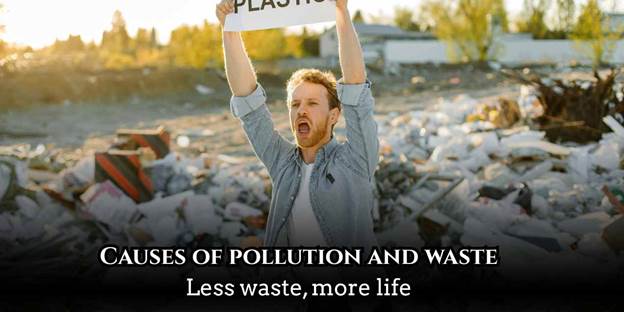
Understanding the Causes of Pollution and Waste
The causes of pollution and waste stem from the habits, industries, and systems humans have built over centuries. From the Industrial Revolution to modern consumerism, human activity has increasingly strained the Earth’s natural balance. Factories, vehicles, and households release harmful emissions and toxic waste daily, damaging air, water, and soil quality. Understanding where these pollutants come from and how they affect the environment is crucial to reversing the damage.
The Historical Roots of Environmental Damage
Pollution is not new. Since the dawn of industrialization, humanity has prioritized growth over sustainability.
- The Industrial Revolution in the 18th century marked the beginning of large-scale air and water pollution.
- Urbanization led to massive waste accumulation and sewage problems.
- The invention of plastic in the 20th century revolutionized convenience but introduced long-lasting pollution.
As economies developed, so did our dependence on non-renewable energy sources, single-use materials, and fast production all of which accelerated environmental harm.
Types of Pollution and Their Impact
Different kinds of pollution affect the Earth in unique but interconnected ways.
- Air Pollution: Emissions from factories, vehicles, and power plants release carbon dioxide and other harmful gases that contribute to climate change and respiratory illnesses.
- Water Pollution: Industrial runoff, oil spills, and household waste contaminate rivers and oceans, threatening aquatic life and human health.
- Soil Pollution: Improper disposal of industrial chemicals and pesticides damages soil fertility, reducing crop yield and contaminating food sources.
- Noise and Light Pollution: Urban environments expose humans and wildlife to constant artificial sounds and lights, disturbing natural behaviors and sleep patterns.
Each form of pollution contributes to global warming and ecological imbalance, making it vital to address them collectively.
Human Habits Behind Environmental Degradation
While industrial activities play a big role, individual behavior is equally impactful. Everyday choices often create long-term consequences.
Overconsumption and Waste Generation
Modern lifestyles are built on consumption. People buy, use, and discard products rapidly, creating a cycle of waste.
- Excessive packaging from online shopping and fast food adds tons of non-biodegradable waste to landfills.
- Fast fashion encourages cheap clothing production, which pollutes water through dyeing processes and microfiber release.
- Electronics and gadgets become obsolete quickly, contributing to e-waste that contains toxic metals.
These habits not only deplete resources but also increase the causes of pollution and waste in cities and oceans.
Dependence on Fossil Fuels
Our dependence on energy from coal, oil, and gas drives air pollution and climate change. Power plants emit large amounts of carbon dioxide, while vehicles release nitrogen oxides and particulate matter. Switching to renewable energy sources such as solar, wind, and hydro can drastically cut emissions and slow global warming.
Plastic and Chemical Usage
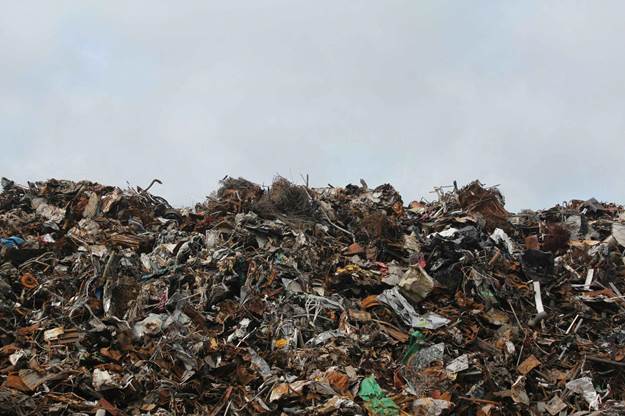
Plastic products, though convenient, are among the most persistent pollutants. Most plastics take hundreds of years to decompose. Chemicals from fertilizers, pesticides, and detergents also pollute soil and water systems.
Examples include:
- Plastic bottles and bags clogging waterways
- Microplastics in seafood
- Chemical runoff damaging coral reefs and agricultural land
Reducing single-use plastic and opting for biodegradable alternatives can lessen this burden.
The Importance of Sustainable Practices
Embracing sustainability is essential to combat the causes of pollution and waste. Sustainable practices ensure that natural resources are used efficiently and preserved for future generations.
Benefits of Eco-Friendly Living
Living sustainably benefits both the planet and people.
- Cleaner air and water improve public health.
- Renewable energy reduces dependence on limited fossil fuels.
- Recycling and composting minimize landfill use.
- Conserving water and electricity saves money and reduces carbon footprints.
Communities adopting sustainable habits often experience improved quality of life, greener spaces, and stronger environmental awareness.
Challenges in Reducing Pollution and Waste
Despite growing awareness, reducing pollution remains challenging due to:
- Lack of education on environmental responsibility
- Inadequate waste management systems in developing areas
- Corporate resistance to sustainable production
- High costs of transitioning to renewable technologies
Additionally, convenience culture and consumer demand make it difficult for industries to change. Governments, corporations, and individuals must collaborate to overcome these barriers.
Examples of Positive Change
Across the world, many communities are finding innovative ways to tackle pollution:
- Sweden converts almost all its household waste into energy through efficient recycling systems.
- Japan practices meticulous waste segregation and encourages reuse culture.
- Costa Rica runs on nearly 100% renewable energy sources.
- India’s ban on single-use plastics has inspired global movements toward eco-friendly alternatives.
These examples prove that collective action and commitment can create lasting environmental improvements.
Moving Toward a Greener Future
Reducing the causes of pollution and waste begins with awareness and small changes. Each individual’s effort recycling, using public transport, reducing plastic use can make a significant difference. Governments must enforce environmental laws, while industries should invest in cleaner technologies.
The future of our planet depends on our ability to rethink consumption and adopt habits that protect the Earth’s ecosystems. By choosing sustainability today, we can ensure a cleaner, healthier, and more balanced world for generations to come.
Conclusion
The causes of pollution and waste are deeply connected to human behavior, industrial growth, and unsustainable lifestyles. From overconsumption to dependence on fossil fuels and plastics, our daily choices directly impact the planet’s health. To protect Earth’s future, we must embrace eco-friendly habits, reduce waste, and support renewable energy solutions. Every small action contributes to a larger change. By understanding the causes of pollution and waste and choosing sustainability, we can restore balance to our environment. Learn more, stay informed, and take steps toward a cleaner, greener world.