In every ecosystem, balance is essential for survival. At the very top of this balance are apex predators, species that occupy the highest level in the food chain with no natural enemies of their own. From lions roaming the African savannas to sharks dominating the oceans, apex predators play a vital role in maintaining ecological stability. Yet, despite their power and reputation, many of these species face growing threats from human activities and environmental change.
Table of Contents
Understanding the importance of apex predators is crucial not only for biodiversity but also for the health of the planet.
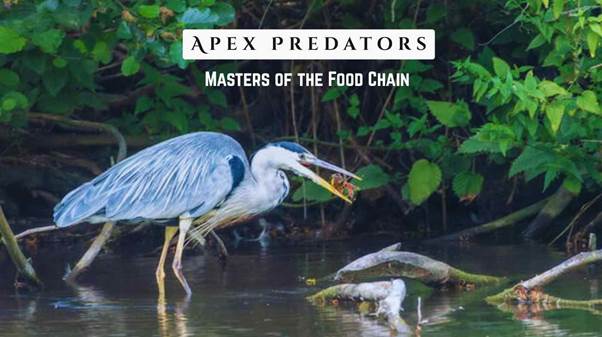
What Are Apex Predators?
Apex predators are animals that sit at the very top of the food web. They have no natural predators and rely on hunting or scavenging to survive. Unlike herbivores or smaller carnivores, apex predators regulate entire ecosystems by controlling the population sizes of other species. Examples include wolves, killer whales, polar bears, crocodiles, and even birds of prey such as eagles.
These animals are not only defined by their strength or hunting ability but also by their influence on ecological systems. By preventing herbivores or smaller carnivores from overpopulating, apex predators ensure that ecosystems remain diverse and functional.
The Ecological Role of Apex Predators
The role of apex predators extends far beyond simple predation. They act as keystone species, meaning their presence or absence has an outsized effect on the ecosystem. For instance, wolves in Yellowstone National Park regulate elk populations, which in turn allows vegetation to recover, stabilizing riverbanks and improving habitats for other animals.
This process, known as a trophic cascade, shows how apex predators shape ecosystems from the top down. Without them, prey populations often expand uncontrollably, leading to overgrazing, habitat destruction, and declines in biodiversity.
Apex Predators in Different Habitats
Apex predators exist in nearly every environment on Earth, from deserts to rainforests, mountains to oceans. Each plays a unique role in its ecosystem:
- Marine ecosystems: Sharks and killer whales regulate fish and marine mammal populations, ensuring balanced ocean life.
- Savannas and grasslands: Lions, leopards, and cheetahs manage herbivore numbers, preventing overgrazing.
- Forests: Tigers and bears keep populations of deer, wild boar, and smaller mammals under control.
- Arctic regions: Polar bears sit at the top of icy food webs, relying on seals as their primary prey.
This global distribution highlights the universality of apex predators’ importance to the health of ecosystems.
Human Impacts on Apex Predators
Despite their strength, many apex predators are vulnerable to human activity. Habitat loss, hunting, pollution, and climate change have reduced their populations dramatically. For example, sharks are often hunted for their fins, while tigers face deforestation that shrinks their hunting grounds.
The decline of apex predators has cascading consequences. When top predators disappear, ecosystems often collapse under the weight of unchecked prey populations, soil erosion, and habitat degradation.
Apex Predators and Climate Change
Climate change poses a new and significant challenge for apex predators. Melting ice reduces hunting grounds for polar bears, while warming oceans affect the food supply of sharks and orcas.These changes ripple across ecosystems. Without stable populations of apex predators, prey animals may expand into areas where ecosystems cannot support them, leading to further biodiversity loss. Thus, conserving apex predators is also part of the larger fight against climate change.
Cultural and Symbolic Importance
Beyond their ecological role, apex predators hold deep cultural and symbolic significance. Lions symbolize strength and courage, wolves represent loyalty and leadership, and eagles are seen as emblems of freedom. Indigenous cultures worldwide often revere apex predators as spiritual guides or guardians.
These cultural connections remind us that protecting apex predators is not only about preserving ecosystems but also about safeguarding human heritage and identity.

Conservation Strategies for Apex Predators
Protecting apex predators requires a combination of science, policy, and community involvement. Some effective strategies include:
- Habitat protection: Expanding protected areas like national parks ensures predators have space to thrive.
- Anti-poaching laws: Stronger enforcement against illegal hunting reduces population declines.
- Restoration projects: Reintroducing predators, such as wolves in Yellowstone, helps restore ecosystem balance.
- Community engagement: Involving local populations in conservation provides economic and social incentives to protect predators.
- Climate action: Reducing greenhouse gas emissions helps preserve habitats threatened by global warming.
These measures highlight that conservation is not just about saving one species but about preserving the entire web of life that depends on apex predators.
Success Stories in Predator Conservation
There are inspiring cases where conservation has successfully restored apex predators and the ecosystems they support. For example, the reintroduction of gray wolves in Yellowstone led to healthier forests and rivers. Similarly, efforts to protect shark populations in certain marine reserves have allowed fish stocks to recover, benefiting local fisheries.
These success stories show that with the right actions, it is possible to reverse declines and rebuild ecosystems through predator protection.
The Future of Apex Predators
The survival of apex predators is inseparable from the future of global biodiversity. As human populations grow and climate change accelerates, predators will face mounting pressures. However, with strong conservation policies, sustainable land use, and greater awareness, it is possible to secure a future where apex predators continue to thrive.
Their survival is not just about protecting charismatic species; it is about ensuring balance, stability, and resilience in ecosystems that humans also depend on.
Conclusion
Apex predators are far more than powerful hunters they are guardians of ecological balance, cultural icons, and essential players in the fight against climate change. By regulating prey populations and maintaining biodiversity, they shape the very foundations of healthy ecosystems. Yet, their survival is under threat from human activity and environmental change.
Protecting apex predators means protecting the ecosystems that sustain life on Earth. Through conservation efforts, global cooperation, and respect for these remarkable species, we can ensure that apex predators continue to play their role as the true masters of the food chain.