
The Arctic is one of the most breathtaking and challenging places on Earth, where survival demands extraordinary adaptations. Despite freezing temperatures, icy winds, and months of darkness, Arctic wildlife continues to thrive in this extreme environment. From iconic polar bears to tiny Arctic foxes, these creatures showcase resilience and fascinating survival strategies. Each species has unique ways of handling the cold, hunting for food, and navigating the frozen landscapes.
Table of Contents
This article explores 10 remarkable Arctic wildlife species that not only survive but flourish in the harshest climates. You’ll discover how they adapt, why they are vital to the ecosystem, and what makes them truly special. By the end, you’ll gain a deeper appreciation for the incredible animals of the Arctic and their role in maintaining balance in one of the world’s most fragile ecosystems.
The Resilient World of Arctic Wildlife
1. Polar Bear: The Arctic Giant
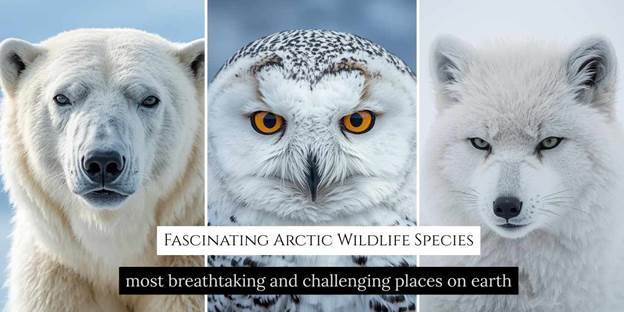
The polar bear is perhaps the most recognized Arctic wildlife species. Known as the “king of the Arctic,” it relies on sea ice to hunt seals, its main food source. Their thick fur and a layer of blubber keep them insulated against extreme cold. Polar bears symbolize both the strength of Arctic ecosystems and the threats posed by climate change.
2. Arctic Fox: The Clever Survivor
Small but resourceful, the Arctic fox thrives where few animals can. Its fur changes color with the seasons white in winter for camouflage in snow, and brown in summer to blend with tundra landscapes. This fox is a master scavenger, feeding on leftover prey from polar bears or hunting small rodents like lemmings.
3. Walrus: The Ice Resting Giant
With long tusks and massive bodies, walruses are iconic Arctic wildlife inhabitants. They use sea ice as platforms to rest between dives for shellfish. Their tusks help them haul their heavy bodies out of icy waters. Walruses play a crucial role in marine ecosystems by controlling clam and mollusk populations.
4. Narwhal: The Unicorn of the Sea
The narwhal is often called the “unicorn of the sea” due to its long spiral tusk, which can grow up to 10 feet. These fascinating whales are highly adapted to icy waters, diving deep to hunt fish and squid. Their tusks are thought to act as sensory organs, helping them detect changes in the environment.
5. Snowy Owl: The Arctic Hunter
Among Arctic wildlife, the snowy owl stands out for its striking white feathers and powerful hunting skills. These birds are well-suited to the cold, with thick plumage and keen eyesight for spotting prey over snowy landscapes. They primarily hunt lemmings, and their populations rise and fall along with rodent numbers.
6. Musk Ox: The Ancient Grazer
Musk oxen have survived since the Ice Age, making them true Arctic survivors. With long shaggy coats and strong builds, they graze on grasses and mosses even in freezing conditions. When threatened, musk oxen form protective circles around their young, showcasing unique group defense strategies.
7. Beluga Whale: The Social Swimmer
Nicknamed the “canary of the sea” for their vocal sounds, beluga whales are highly social Arctic wildlife species. They live in pods and communicate through whistles and clicks. Adapted to icy waters, their white color helps them blend into the sea ice, offering protection from predators.
8. Reindeer (Caribou): The Migratory Marvel
Reindeer, also known as caribou in North America, are famous for their massive seasonal migrations across the Arctic tundra. They travel in herds, covering thousands of miles in search of food. Their unique hooves act like snowshoes, allowing them to move easily over ice and dig for lichen beneath the snow.
9. Arctic Hare: The Fast Runner
Built for speed and survival, the Arctic hare thrives in frozen tundras. Its thick fur and ability to huddle in groups help it withstand subzero temperatures. With powerful hind legs, it can run at impressive speeds to escape predators like wolves and foxes.
10. Ringed Seal: The Polar Bear’s Favorite Prey
The ringed seal is among the most abundant Arctic wildlife species and serves as a key food source for polar bears. These seals create breathing holes in sea ice, which they maintain throughout winter. Their pups are born in snow caves, protected from predators and harsh winds.
Why Arctic Wildlife Matters
The survival of Arctic wildlife is not just a fascinating story of adaptation; it is vital to global ecological balance. These species maintain food chains, regulate prey populations, and influence marine and land ecosystems. Their well-being is directly connected to human survival, as Arctic regions affect global climate patterns.
Challenges Facing Arctic Wildlife
Despite their resilience, these species face growing threats:
• Climate change is melting sea ice, reducing hunting and breeding grounds
• Overfishing disrupts marine food chains
• Pollution from distant industries contaminates Arctic ecosystems
• Increased human activity and shipping disturb fragile habitats
Protecting Arctic wildlife requires urgent global action, from reducing carbon emissions to supporting conservation initiatives.
Strategies for Protecting Arctic Wildlife
To ensure these species continue to thrive, conservation efforts must focus on:
• Expanding protected marine and land reserves
• Supporting Indigenous knowledge and stewardship practices
• Enforcing strict regulations against overfishing and hunting
• Promoting awareness about climate change impacts
By adopting these strategies, we can help safeguard the unique creatures that call the Arctic home.
Conclusion
The Arctic wildlife species highlighted here demonstrate incredible resilience in some of the harshest conditions on Earth. From the mighty polar bear to the elusive narwhal, each animal plays a vital role in maintaining ecological balance. Yet, their survival is increasingly threatened by human activities and climate change.
Protecting these fascinating species is not just about saving animals; it’s about preserving the Arctic itself and the role it plays in regulating our planet’s climate. By supporting conservation and raising awareness, we can ensure a future where Arctic wildlife continues to thrive. Explore more, stay informed, and join efforts to protect this extraordinary ecosystem.