The Arctic is often described as the planet’s early warning system, where environmental changes are felt first and most intensely. Within this frozen region, Arctic wildlife has adapted to some of the harshest conditions on Earth. However, climate change is rapidly altering their habitats, making survival increasingly difficult. From melting sea ice to shifting food chains, the threats are growing at an alarming pace.
Table of Contents
In this article, we’ll explore how climate change is endangering Arctic wildlife habitats, why these changes matter for the entire planet, and what can be done to protect this fragile ecosystem. We’ll examine key species, the challenges they face, and the global importance of preserving the Arctic.
The Unique World of Arctic Wildlife
Arctic wildlife includes iconic species such as polar bears, Arctic foxes, walruses, snowy owls, and whales. These animals have developed extraordinary adaptations to endure freezing temperatures, long winters, and scarce food sources. The region’s ecosystems rely heavily on the balance between sea ice, tundra, and marine environments.
Yet, this delicate balance is being disrupted by rising global temperatures. As ice melts and habitats shrink, species that once thrived are now struggling to survive. Understanding these changes is essential to grasp the full impact of climate change on the Arctic.
How Climate Change Affects Arctic Wildlife Habitats
Melting Sea Ice
Sea ice is a critical habitat for many species. Polar bears hunt seals on ice platforms, walruses rest between dives, and seals raise their pups in snow caves built on ice. As global temperatures rise, sea ice is melting earlier in spring and forming later in autumn, leaving animals with less time to feed and breed.
Warming Oceans
Warmer waters disrupt food chains by affecting the availability of plankton, fish, and other marine life. Species like narwhals and beluga whales depend on these food sources, and their survival is tied to healthy ocean ecosystems.
Habitat Loss on Land
The tundra is also changing. Rising temperatures are causing permafrost to thaw, altering vegetation and making it harder for grazers like reindeer and musk oxen to find food during winter months.
Key Species at Risk
Polar Bears: Icons of the Arctic
Polar bears are among the most vulnerable to habitat loss. As sea ice disappears, they are forced to swim longer distances, leading to exhaustion and reduced hunting success. This puts their populations at serious risk.
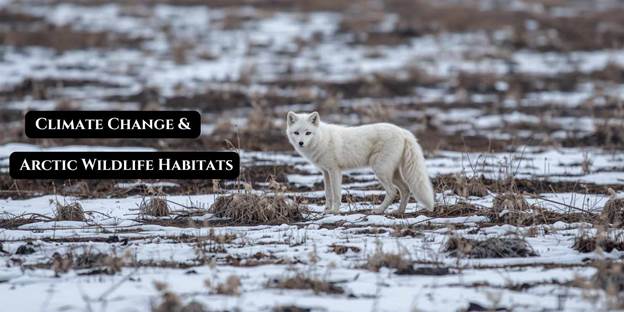
Arctic Foxes: Masters of Adaptation
While Arctic foxes are resilient, shrinking snow cover exposes them to predators and reduces their ability to camouflage. Climate change also allows red foxes, their competitors, to move farther north, adding new pressures.
Walruses: Losing Resting Platforms
Walruses rely on ice as resting platforms between feeding dives. With ice retreating, large groups crowd onto shorelines, leading to deadly stampedes and increased competition for resources.
Seabirds: Struggling to Find Food
Snowy owls and other seabirds depend on healthy rodent and fish populations. With climate disruptions, prey numbers fluctuate wildly, causing declines in bird populations.
Global Importance of Arctic Wildlife Habitats
The decline of Arctic wildlife is not just a regional issue; it affects the entire planet. The Arctic regulates global climate by reflecting sunlight through its ice cover. As ice melts, darker ocean waters absorb more heat, accelerating warming. This process, known as the albedo effect, contributes to extreme weather worldwide.
Moreover, disruptions in Arctic ecosystems affect migratory species, fisheries, and even human communities that depend on Arctic resources for survival.
Challenges in Protecting Arctic Wildlife
Despite growing awareness, conservation faces multiple challenges:
• Rapid pace of climate change outstripping animals’ ability to adapt
• Industrial activities like oil drilling and shipping increasing habitat disturbance
• Global political disagreements over Arctic resource management
• Limited funding for long-term conservation programs
These hurdles highlight the urgent need for stronger global cooperation and innovative solutions.
Best Practices to Safeguard Arctic Wildlife
Expanding Protected Areas
Creating larger marine and land reserves can provide safe havens for Arctic wildlife. These areas limit human activity and allow species to thrive with minimal disturbance.
Reducing Carbon Emissions
The most effective solution is tackling the root cause global warming. Lowering carbon emissions slows ice melt and helps stabilize Arctic habitats.
Supporting Indigenous Knowledge
Indigenous communities have lived in the Arctic for centuries and possess deep knowledge of wildlife behavior and ecosystems. Involving them in conservation strategies is vital.
Promoting Global Awareness
Educating the public about the importance of Arctic wildlife habitats encourages support for conservation efforts. Campaigns, documentaries, and school programs can all make a difference.
Conclusion
The Arctic is home to some of the most remarkable species on Earth, yet climate change is threatening their very existence. From polar bears losing their hunting grounds to walruses struggling without sea ice, the challenges facing Arctic wildlife habitats are immense.
Protecting these fragile ecosystems is not just about saving animals; it’s about preserving the health of our planet. By reducing emissions, supporting conservation, and raising awareness, we can help ensure the Arctic remains a thriving home for wildlife. Stay informed, take action, and be part of the solution to safeguard the future of the Arctic.