Atmospheric measurements have become the cornerstone of understanding our planet’s changing climate and air quality. With rapid advancements in satellite technology, scientists can now collect precise data from space that was once impossible to gather from ground-based stations alone. These innovations are transforming how researchers monitor weather patterns, track pollution levels, and predict environmental changes with unprecedented accuracy.
This article explores how cutting-edge satellites are reshaping environmental monitoring and climate science. We will examine the latest tools, techniques, and breakthroughs that make remote sensing more reliable than ever before. From tracking greenhouse gases to measuring ozone depletion, modern space-based systems provide critical insights for policymakers and scientists worldwide.
Whether you’re a student, researcher, or environmental enthusiast, this guide will help you understand why these technological advances matter for our planet’s future.
What Are Atmospheric Measurements and Why Do They Matter?
Atmospheric measurements refer to the scientific process of collecting data about the Earth’s atmosphere. This includes monitoring temperature, humidity, pressure, wind speed, and the concentration of gases like carbon dioxide and ozone.
These measurements help scientists understand how our atmosphere functions and changes over time. Without accurate data, predicting weather patterns or studying climate change would be nearly impossible.
The Science Behind Data Collection
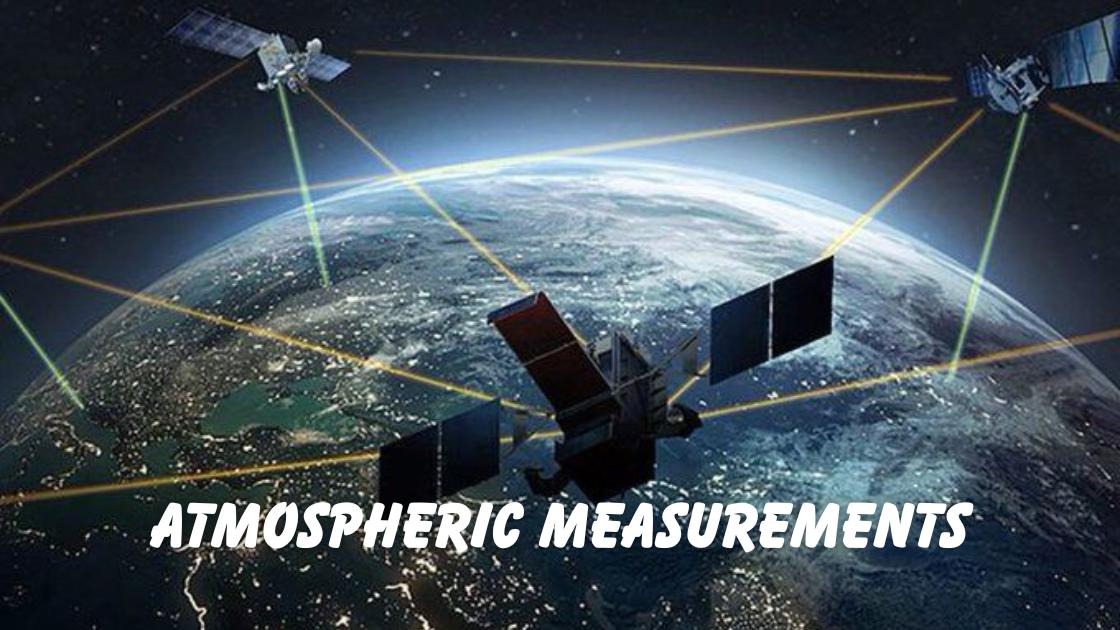
Modern atmospheric measurements rely on sophisticated instruments placed on satellites orbiting Earth. These devices use remote sensing technology to capture information without physical contact with the atmosphere.
Sensors detect electromagnetic radiation reflected or emitted by atmospheric components. This data is then transmitted to ground stations where scientists analyze and interpret the findings.
A Brief History of Satellite Based Environmental Monitoring
The journey of space based atmospheric measurements began in the 1960s with early weather satellites. These primitive systems could only capture basic cloud images.
Key Milestones in Development
- 1960 The launch of TIROS 1 marked the first successful weather satellite mission
- 1970s NASA introduced advanced sensors capable of measuring ozone levels
- 1990s The Earth Observing System brought comprehensive environmental monitoring capabilities
- 2000s to Present Modern satellites now provide real time data with remarkable precision
Today, dozens of satellites continuously orbit our planet, creating a global network for climate data collection.
The Importance of Advanced Satellite Technologies
Satellite technology has transformed how researchers conduct atmospheric measurements in several significant ways.
Global Coverage and Accessibility
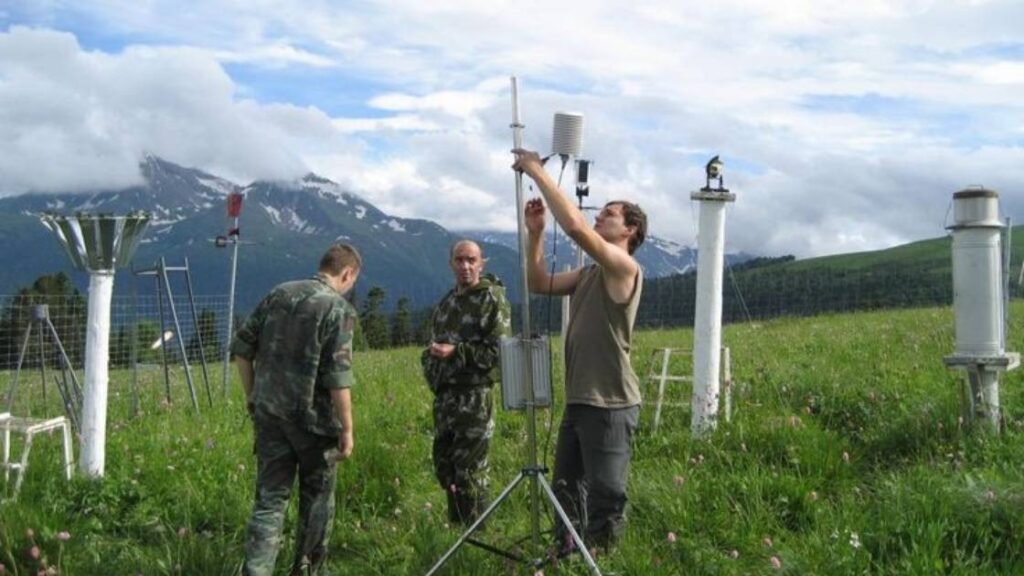
Ground based stations can only monitor limited areas. Satellites overcome this limitation by observing the entire planet. Remote regions like oceans, deserts, and polar areas are now accessible for continuous monitoring.
Real Time Data Collection
Modern satellites provide instant information about atmospheric conditions. This capability is crucial for weather forecasting and disaster preparedness. Meteorologists can track hurricanes, typhoons, and severe storms as they develop.
Long Term Climate Tracking
Consistent satellite observations over decades help scientists identify climate trends. This historical data is invaluable for understanding global warming and its effects on ecosystems.
Benefits of Modern Atmospheric Research
The advantages of satellite based atmospheric measurements extend across multiple sectors.
Environmental Protection
Accurate air quality monitoring helps governments identify pollution sources and implement effective regulations. Satellites can detect industrial emissions, forest fires, and volcanic activity that affect air quality.
Agricultural Planning
Farmers benefit from precise weather predictions based on atmospheric measurements. Understanding rainfall patterns, temperature changes, and humidity levels helps optimize crop yields.
Public Health Improvements
Monitoring greenhouse gases and pollutants enables health agencies to issue timely warnings. People with respiratory conditions can take precautions when air quality deteriorates.
Scientific Advancement
Researchers gain deeper insights into atmospheric chemistry and physics. This knowledge drives innovation in climate science and environmental protection strategies.
Challenges Facing Atmospheric Research Today
Despite remarkable progress, several obstacles remain in conducting effective atmospheric measurements.
Technical Limitations
- Satellite instruments require regular calibration to maintain accuracy
- Cloud cover can interfere with certain types of measurements
- Data processing demands significant computational resources
Financial Constraints
Building, launching, and maintaining satellites requires substantial investment. Many developing nations lack resources to participate fully in global monitoring efforts.
Data Interpretation Complexity
Raw satellite data needs expert analysis. Converting measurements into meaningful climate information requires specialized knowledge and advanced algorithms.
Real World Examples of Satellite Success
Several satellite missions demonstrate the power of modern atmospheric measurements.
The Copernicus Program
This European initiative operates multiple satellites dedicated to environmental monitoring. Sentinel satellites track everything from ocean temperatures to forest health.
NASA’s Orbiting Carbon Observatory
This mission specifically measures carbon dioxide levels worldwide. The data helps scientists understand carbon cycles and predict future climate scenarios.
NOAA Weather Satellites
These satellites provide essential information for daily weather forecasting across North America. Their continuous observations save lives by enabling early storm warnings.
Looking Ahead
The future of atmospheric measurements looks promising with emerging technologies. Smaller, more affordable satellites are making space based observation accessible to more countries and organizations.
Artificial intelligence is improving data analysis, while new sensors offer unprecedented measurement precision. These advances ensure that satellite technology will continue revolutionizing our understanding of Earth’s atmosphere for generations to come.
Conclusion
Atmospheric measurements have become essential for understanding and protecting our planet. Advanced satellite technology now enables scientists to monitor air quality, track climate change, and improve weather forecasting with remarkable accuracy.
From early weather satellites to today’s sophisticated systems, these innovations continue transforming environmental research. Despite challenges like technical limitations and funding constraints, the benefits far outweigh the obstacles.
As technology evolves, atmospheric measurements will play an even greater role in shaping environmental policies and safeguarding public health. Embracing these advancements ensures a better understanding of our atmosphere and a more sustainable future for generations ahead.