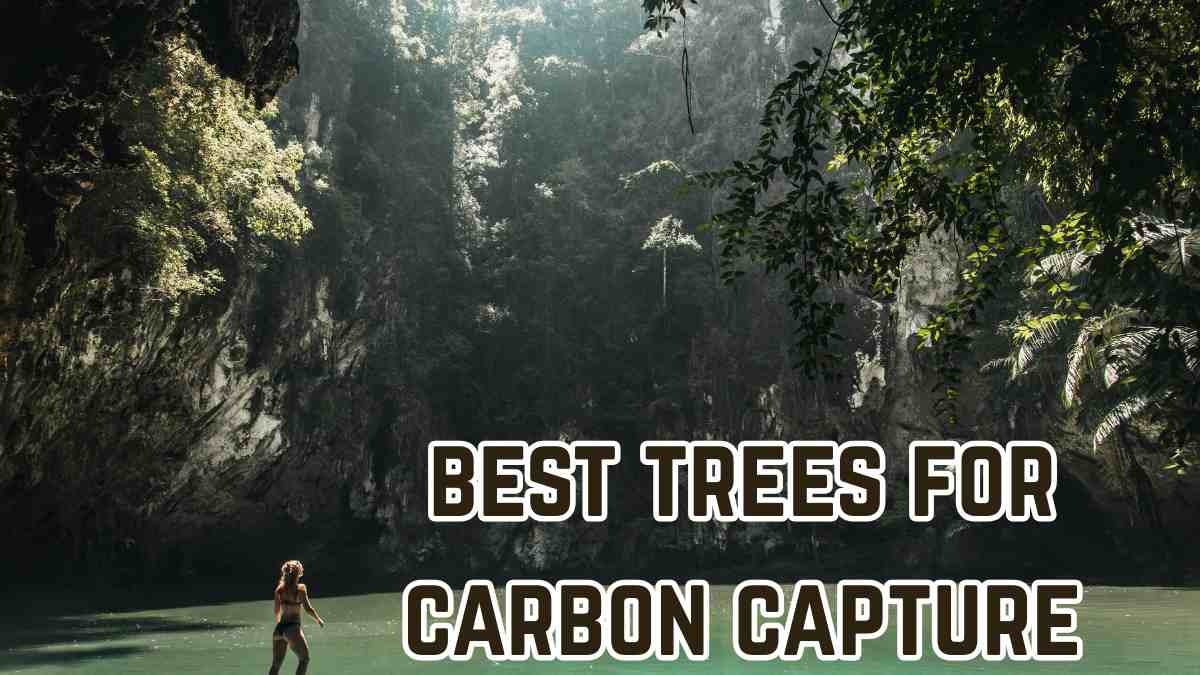
The best trees for carbon capture play a powerful role in reducing pollution and restoring environmental balance. As global temperatures rise, planting the right tree species has become one of the most practical and natural solutions to absorb carbon dioxide from the atmosphere.
This article explores how trees act as living carbon sinks and why some species are more effective than others. You’ll learn how factors like growth speed, wood density, and lifespan influence carbon sequestration and long-term impact.
We’ll also highlight the importance of climate change mitigation, the role of fast-growing trees, and how reforestation projects contribute to a healthier planet. In addition, the article covers the benefits of urban forestry and sustainable planting choices that individuals and communities can adopt to support a greener future.
Understanding Carbon Capture Through Trees
Trees naturally absorb carbon dioxide during photosynthesis and store it in their trunks roots and surrounding soil. The best trees for carbon capture are species that grow quickly live long and develop dense wood which allows them to store larger amounts of carbon over time. This process known as carbon sequestration makes trees an essential ally in reducing atmospheric pollution. Historically forests have played a major role in regulating Earth’s climate and modern research confirms that strategic tree planting can significantly support climate change mitigation efforts worldwide.
Why Tree Species Matter for Carbon Storage
Not all trees capture carbon at the same rate. Species selection determines how much carbon is stored and how long it remains locked away. The best trees for carbon capture share certain biological traits that enhance their effectiveness.
Growth Rate and Biomass Accumulation
Fast-growing trees absorb carbon more rapidly in their early years. Species such as eucalyptus and poplar accumulate biomass quickly making them valuable for short-term carbon reduction. However rapid growth must be balanced with sustainability to avoid soil depletion.
Wood Density and Lifespan
Trees with dense wood like oak and teak store carbon for decades or even centuries. Their long lifespan ensures that captured carbon remains sequestered for extended periods supporting long-term environmental sustainability.
Types of Trees Known for High Carbon Capture
Different environments require different tree species. Below are categories of trees widely recognized for their carbon storage potential.
Fast Growing Trees
These species are ideal for rapid results in reforestation and restoration projects.
1.Eucalyptus
2.Poplar
3.Willow
4.Bamboo
5.Paulownia
Fast growers are commonly used in reforestation initiatives where quick canopy cover and soil stabilization are needed.
Long Living Hardwood Trees
Hardwoods grow slower but provide lasting carbon storage.
1.Oak
2.Teak
3.Maple
4.Beech
5.Mahogany
These trees contribute to sustainable forestry by offering durability ecological value and long-term carbon retention.
How Trees Capture and Store Carbon
The process behind tree-based carbon capture is simple yet powerful. Trees absorb carbon dioxide through leaves and convert it into energy. The carbon component is stored in trunks branches roots and surrounding soil. The best trees for carbon capture maximize this process due to their size growth pattern and root structure. Forest soils themselves become significant carbon reservoirs especially when tree cover is maintained without frequent disturbance.
Role of Roots and Soil
Roots play a critical role by transferring carbon into the soil. Healthy forest soils can store more carbon than the trees above them making soil management a key part of effective carbon offset strategies.
Benefits of Planting Carbon Capturing Trees
Planting trees offers advantages beyond carbon reduction. The best trees for carbon capture also support biodiversity and human well-being.
1. Environmental Benefits
Trees improve air quality regulate temperatures and prevent soil erosion. Large-scale planting enhances urban forestry by cooling cities and reducing energy demand.
2. Economic and Social Benefits
Tree planting creates jobs supports timber industries and improves community spaces. Long-term projects aligned with climate change mitigation policies often receive global funding and support.
Challenges and Limitations
While trees are effective carbon sinks they are not a standalone solution. The best trees for carbon capture require proper management to deliver lasting benefits.
Land Use and Maintenance Issues
Large plantations may compete with agricultural land or water resources. Poorly managed forests risk deforestation disease or fire which can release stored carbon back into the atmosphere.
Time Factor
Trees take years to reach their full carbon storage potential. This makes them a long-term solution rather than an immediate fix for emissions.

Best Practices for Maximizing Carbon Capture
To achieve optimal results careful planning is essential when selecting and planting trees.
1.Choose native species suited to local climate
2.Mix fast-growing and long-living trees
3.Protect forests from deforestation
4.Support community-led planting programs
5.Combine tree planting with emission reduction efforts
Using the best trees for carbon capture alongside clean energy and conservation policies creates a balanced approach to sustainability.
Real World Applications and Recommendations
Governments organizations and individuals are increasingly investing in tree-based solutions. From national reforestation programs to small urban gardens the impact scales with participation. For individuals planting even a few well-chosen trees contributes to global carbon reduction. For policymakers integrating carbon sequestration forests into climate plans ensures measurable long-term benefits.
Conclusion
Trees play a vital role in reducing atmospheric carbon and supporting long-term environmental health. This article highlighted how growth rate, wood density, lifespan, and proper management influence the effectiveness of the best trees for carbon capture. From fast-growing species to durable hardwoods, each contributes differently to carbon sequestration, climate change mitigation, and environmental sustainability. When combined with smart planning, reforestation, and sustainable forestry, tree-based solutions deliver lasting ecological, social, and economic benefits. Choosing and protecting the best trees for carbon capture is a practical and impactful step toward building a greener, more resilient future.