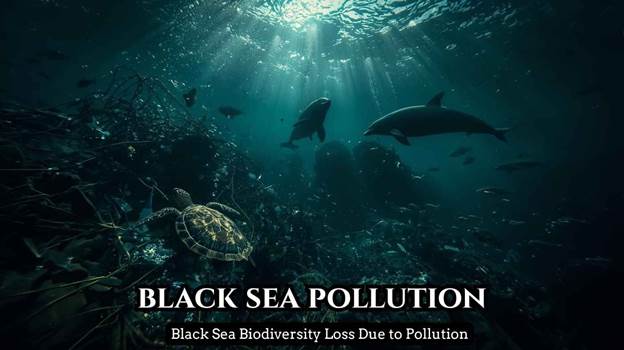
Black sea pollution is one of the most alarming environmental threats in Europe, causing severe biodiversity loss and long-term ecological damage. Once rich in marine life, the Black Sea is now struggling with declining fish stocks, disappearing habitats, and endangered species. The enclosed nature of the sea makes it highly sensitive to pollutants, trapping waste and toxins within its waters.
Table of Contents
This article explores the history and definition of black sea pollution, the impact on biodiversity, the types of pollutants involved, socioeconomic challenges, and ongoing international efforts. Real-world case studies will highlight both decline and recovery, helping readers understand why urgent action is needed to protect the future of the Black Sea.
Definition and Historical Background of Black Sea Pollution
Black sea pollution refers to the contamination of the semi-enclosed Black Sea through industrial waste, untreated sewage, agricultural runoff, and plastic debris. Because the sea connects only through the narrow Bosporus Strait, water circulation is limited.
Historically, the Black Sea was a biodiversity hotspot, supporting fisheries, dolphins, sturgeons, and seagrass meadows. However, rapid industrialization in the mid-20th century, combined with fertilizer runoff from rivers like the Danube, led to algal blooms, dead zones, and the collapse of fish populations. By the 1980s, the damage from black sea pollution had reached crisis levels.
Impact of Black Sea Pollution on Biodiversity
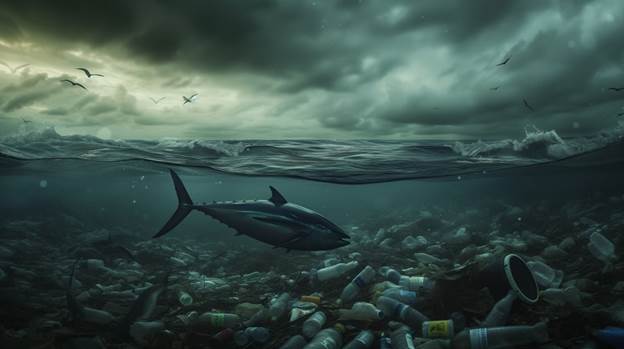
The effects of black sea pollution on marine ecosystems are devastating. Nutrient overloads from agriculture cause algal blooms that deplete oxygen, creating hypoxic zones where no life can survive. Toxic chemicals accumulate in fish and marine mammals, disrupting reproduction and reducing survival rates. Plastic waste entangles turtles and seabirds, while microplastics enter the food chain.
The biodiversity decline is evident across the ecosystem, from collapsing anchovy stocks to shrinking seagrass habitats. The invasion of comb jellies in the 1990s, which thrived in polluted waters, wiped out large populations of plankton and anchovies, further destabilizing the food web.
Major Pollutants Damaging Black Sea Ecosystems
Nutrient Runoff
Nitrogen and phosphorus from fertilizers enter the sea through rivers, leading to eutrophication.
Industrial Waste
Mercury, cadmium, and lead contaminate seafood and poison marine organisms.
Plastic and Microplastics
Litter clogs habitats and introduces toxins into the marine food chain.
Untreated Sewage
Bacteria and organic matter lower oxygen levels, endangering aquatic life.
These pollutants are central to black sea pollution, amplifying biodiversity loss and reducing resilience.
Ecological Consequences for Marine Species
The biodiversity crisis linked to black sea pollution is visible across species:
• Anchovy populations collapsed, destabilizing the fishing economy
• Sturgeons, vital for caviar trade, are critically endangered
• Dolphins accumulate toxins, suffering from disease and reduced numbers
• Mussel beds and seagrass meadows, key to water purification, are disappearing
• Marine birds face food shortages due to declining fish stocks
These impacts demonstrate how black sea pollution disrupts the balance of the entire ecosystem.
Socioeconomic Impact of Black Sea Pollution
The damage is not just ecological. Black sea pollution affects millions of people living along the coast.
• Fisheries have collapsed, causing unemployment and food insecurity
• Contaminated seafood raises serious health concerns
• Polluted beaches discourage tourism, reducing local income
• Governments spend heavily on environmental clean-up projects
This proves that black sea pollution is both an environmental and economic crisis.
International and Regional Efforts to Control Pollution
Countries bordering the sea have recognized the need to act against black sea pollution.
• The Black Sea Commission coordinates regional cooperation
• Upgraded wastewater treatment plants reduce nutrient discharge
• Marine Protected Areas help safeguard endangered habitats
• NGOs promote plastic reduction and sustainable fishing practices
Though progress is visible, the fight against black sea pollution demands stronger commitments.
Challenges in Combating Black Sea Pollution
Despite efforts, obstacles remain:
• Weak law enforcement allows illegal dumping
• Climate change increases sea temperature and worsens hypoxia
• Political conflicts slow down joint environmental initiatives
• Limited funding restricts large-scale restoration projects
Without collective global action, black sea pollution will continue to accelerate biodiversity loss.
Case Studies: Decline and Recovery Signs
• Anchovy collapse of the 1990s highlighted the link between invasive species and pollution
• Seagrass habitat loss has reduced fish nursery areas
• Restoration in Romania’s Danube Delta has cut nutrient inflows, showing gradual recovery of bird and fish populations
These examples underline how black sea pollution harms biodiversity but also prove that recovery is possible with dedicated efforts.
Conclusion
Black sea pollution has caused massive biodiversity decline, threatening marine species, ecosystems, and coastal economies. Fertilizer runoff, plastics, sewage, and industrial toxins have left lasting damage, while economic and social impacts continue to harm coastal communities. Yet, with stronger cooperation, stricter enforcement, and sustainable practices, recovery is achievable. Protecting the Black Sea today is critical for safeguarding biodiversity and ensuring future generations can benefit from its resources. Urgent action against black sea pollution is the only way to restore balance and resilience to this vital marine region.
Q1: What are the main causes of black sea pollution?
The primary causes are nutrient runoff, untreated sewage, industrial waste, and plastic debris entering the sea.
Q2: How does black sea pollution affect biodiversity?
It creates dead zones, reduces fish stocks, endangers species like dolphins and sturgeons, and destroys vital habitats.
Q3: What role does the Black Sea Commission play?
It coordinates regional efforts, policies, and projects aimed at reducing black sea pollution.