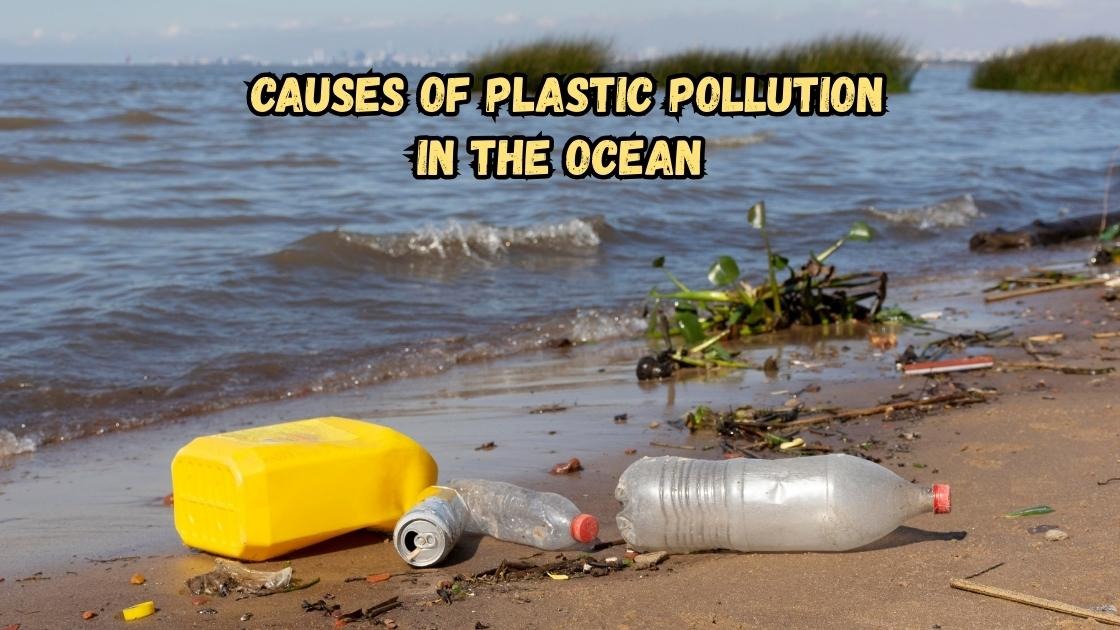
Understanding the causes of plastic pollution in the ocean has become essential as we witness dolphins tangled in fishing nets and sea turtles choking on plastic bags. This growing environmental crisis affects not just wildlife but also human health through contaminated seafood and polluted beaches.
In this comprehensive guide, we explore the primary sources driving this catastrophe. From single-use plastics and improper waste management to industrial discharge and microplastic contamination, multiple factors contribute to our oceans becoming dumping grounds. We will examine how coastal littering and marine debris accumulate over time, creating massive garbage patches across the world’s waters. By the end, you will understand exactly what drives this problem and what solutions exist to reverse the damage.
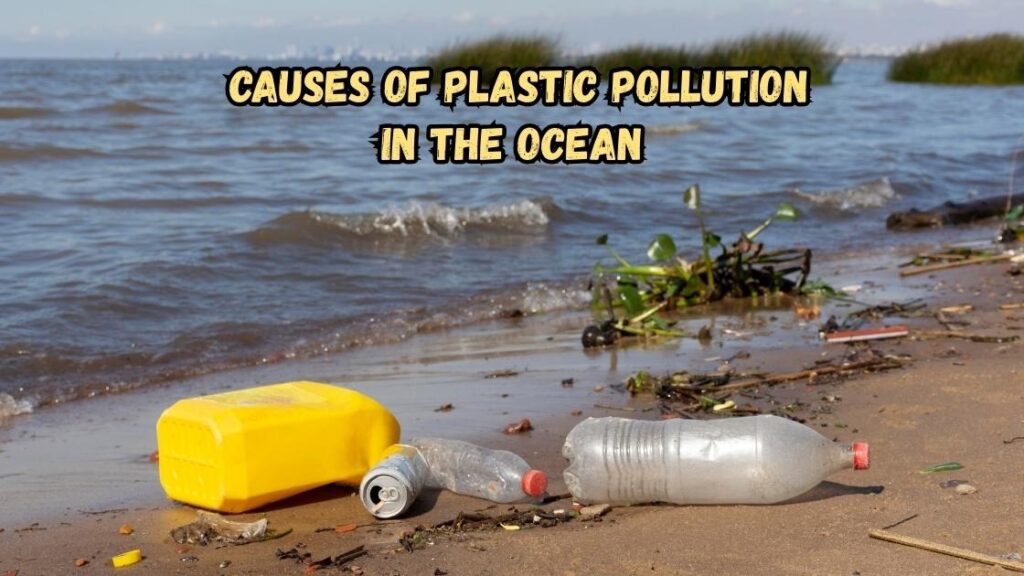
Understanding the Causes of Plastic Pollution in the Ocean: A Global Crisis
Ocean plastic pollution refers to the accumulation of plastic waste in marine environments, ranging from large debris to microscopic particles. Since the 1950s, humans have produced over 8 billion metric tons of plastic, with approximately 8 million tons entering our oceans annually. The causes of plastic pollution in the ocean stem from both land based activities and marine operations, creating a complex environmental challenge that demands immediate attention.
This issue demands serious consideration from everyone worldwide. Marine plastic waste now affects over 700 species, with scientists predicting that by 2050, oceans could contain more plastic than fish by weight. Understanding what drives this pollution helps communities, governments, and industries develop targeted solutions.
Major Sources Contributing to Ocean Plastic Waste
Single Use Plastics and Consumer Products
Single use plastics represent one of the most significant causes of plastic pollution in the ocean today. Items like plastic bottles, food wrappers, straws, and shopping bags account for nearly 50 percent of all marine debris. These products are designed for convenience but persist in the environment for hundreds of years.
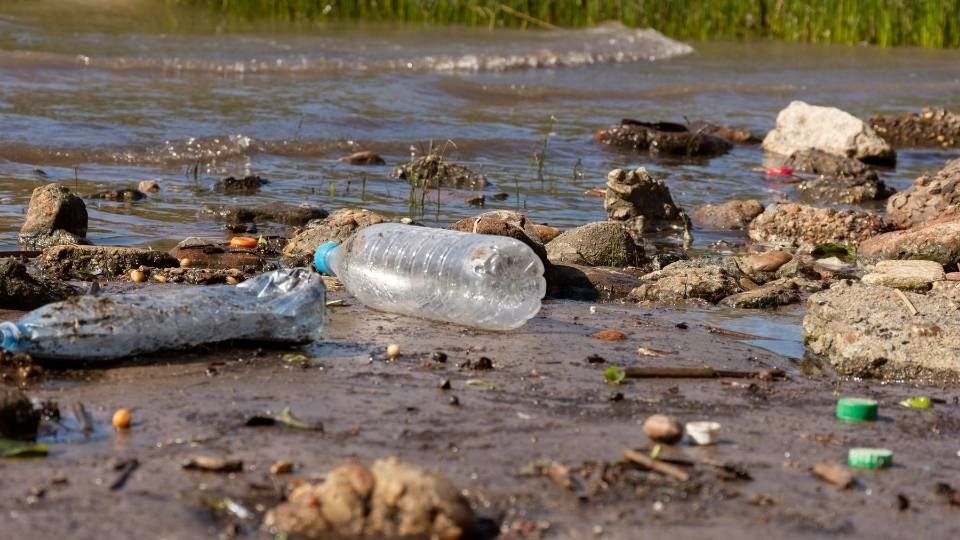
The problem intensifies because many consumers discard these items carelessly. Wind and rain carry lightweight plastics from streets, parks, and landfills directly into waterways. Eventually, rivers transport this waste to coastal areas and open oceans, where it fragments into smaller pieces but never truly disappears.
Inadequate Waste Management Systems
Poor waste disposal practices rank among the leading causes of plastic pollution in the ocean, particularly in developing nations lacking proper infrastructure. When communities lack access to recycling facilities or organized garbage collection, plastic waste often ends up in open dumps, rivers, or directly on beaches.
Consider these alarming statistics about waste management failures:
- Only 9 percent of all plastic ever produced has been recycled globally
- Approximately 2 billion people worldwide lack access to waste collection services
- Ten rivers, primarily in Asia and Africa, carry 90 percent of plastic reaching oceans
- Coastal regions with tourism experience 40 percent higher pollution rates during peak seasons
- Illegal dumping contributes an estimated 31 million tons of mismanaged waste annually
Industrial and Manufacturing Discharge
Industrial activities contribute substantially to marine plastic contamination through both intentional and accidental releases. Factories producing plastic products often discharge plastic pellets and manufacturing byproducts into nearby water systems. These nurdles, as they are commonly called, resemble fish eggs and are frequently ingested by marine animals.
Additionally, textile manufacturing releases vast quantities of synthetic microfibers during production and when consumers wash clothing at home. A single load of laundry can release over 700,000 microfibers, which slip through water treatment plants and accumulate in ocean sediments.
How Plastic Enters Marine Ecosystems
River Systems and Stormwater Runoff
Rivers serve as highways carrying plastic waste from inland areas to coastal waters. Stormwater runoff collects litter from urban environments, agricultural lands, and residential neighborhoods before channeling everything toward the sea. This pathway explains why the causes of plastic pollution in the ocean often originate hundreds of miles from any coastline.
During heavy rainfall, drainage systems become overwhelmed, bypassing treatment facilities entirely. Plastic debris flows unfiltered into streams, then rivers, and ultimately reaches ocean environments where currents distribute it globally.
Fishing Industry and Maritime Activities
The fishing industry directly contributes to ocean debris through lost, abandoned, or discarded fishing gear. Ghost nets continue trapping marine life for decades after being lost at sea. Commercial shipping also loses cargo containers during storms, spilling manufactured goods and raw materials into open waters.
Key maritime sources include:
- Abandoned fishing nets comprising 10 percent of all marine debris
- Lost cargo containers totaling approximately 1,400 annually worldwide
- Cruise ships generating significant passenger waste daily
- Offshore oil platforms releasing operational plastics
- Recreational boats discarding packaging and equipment improperly
Coastal Tourism and Beach Littering
Tourist destinations face unique challenges as seasonal visitors generate enormous waste volumes. Beach littering remains a persistent problem despite awareness campaigns and cleanup efforts. Cigarette filters, food packaging, and beverage containers dominate coastal pollution surveys conducted worldwide.
The causes of plastic pollution in the ocean multiply when resort areas lack adequate waste bins or enforcement of anti littering regulations. High visitor turnover makes education efforts difficult, perpetuating harmful disposal habits that directly impact nearby marine habitats.
The Microplastic Challenge
Microplastic pollution presents perhaps the most insidious threat because these tiny particles infiltrate every level of the marine food chain. Primary microplastics include cosmetic microbeads and industrial abrasives designed at microscopic sizes. Secondary microplastics form when larger debris breaks down through sunlight exposure and wave action.
These particles absorb toxic chemicals from surrounding waters, concentrating pollutants that marine organisms then consume. Scientists have discovered microplastics in species ranging from plankton to whales, demonstrating how pervasive this contamination has become throughout ocean ecosystems.
Conclusion
The causes of plastic pollution in the ocean are numerous yet entirely preventable with collective action. From single use plastics and inadequate waste management to industrial discharge and fishing activities, each source demands targeted solutions. Addressing marine debris requires improved recycling infrastructure, stricter regulations on plastic waste disposal, and widespread consumer education about sustainable alternatives.
Understanding these causes of plastic pollution in the ocean empowers individuals and communities to make meaningful changes. By reducing plastic consumption, supporting cleanup initiatives, and advocating for policy reforms, we can protect marine ecosystems for future generations. The time to act is now before our oceans become irreversibly damaged by preventable contamination.