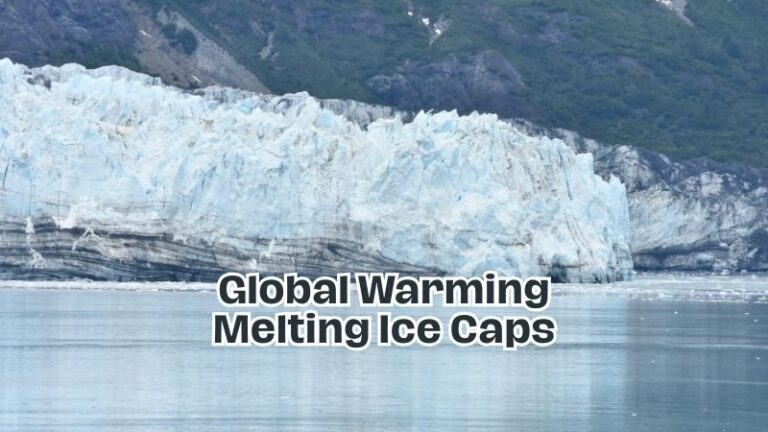
In an era of escalating climate challenges, Climatography plays a pivotal role in understanding and addressing environmental changes. As the science that studies and maps long-term weather patterns,provides crucial insights for predicting environmental shifts, formulating sustainable policies, and guiding global climate action. By analyzing decades of climate data, this discipline empowers scientists, policymakers, and environmentalists to make informed decisions aimed at protecting our planet.
This article explores how Climatography supports environmental sustainability, its history and evolution, the benefits it offers, challenges it faces, and real-world examples where climatographic data has transformed climate strategy. Ultimately, it reveals how this vital field uses data to drive smarter, evidence-based responses to our changing world.
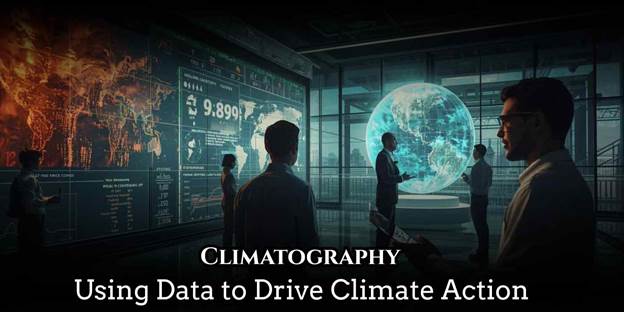
Climatography Explained: The Science Behind Long-Term Climate Data
Climatography refers to the systematic collection, study, and presentation of long-term climate data such as temperature, precipitation, humidity, and wind trends over specific regions. Unlike short-term meteorology, which predicts daily or weekly weather, Climatography focuses on identifying persistent patterns that shape global and regional climates.
Historically, the roots of Climatography date back to the 19th century, when scientists began recording temperature and rainfall patterns manually. Over time, technological innovations like satellites, automated weather stations, and AI-driven analytics have enhanced climate data analysis, making modern Climatography more precise and data-rich than ever before.
Through this evolution, climatographers can now detect subtle variations that reveal long-term shifts in our planet’s climate system critical for sustainable decision-making.
How Climatography Fuels Environmental Sustainability
Climatography serves as the foundation of modern environmental sustainability efforts by providing data that shapes eco-friendly strategies. Governments, corporations, and researchers rely on climate monitoring systems to forecast droughts, anticipate extreme weather, and protect vulnerable ecosystems.
Here’s how Climatography contributes to sustainability:
•It helps design renewable energy projects by identifying areas with consistent sunlight or wind patterns.
•It aids in sustainable agriculture planning through accurate rainfall and temperature projections.
•It supports biodiversity conservation by mapping climate zones essential for specific species.
•It informs climate action plans that reduce carbon footprints and promote resilience.
By turning raw data into actionable insights, Climatography bridges the gap between environmental knowledge and real-world climate solutions.
The Key Benefits of Climatography for Global Climate Action
Climatography provides a wide range of benefits for both research and policy:
1. Predictive Power: Advanced climate data analysis allows experts to forecast potential weather disasters, minimizing economic and human loss.
2. Informed Decision-Making: Reliable data supports governments and NGOs in creating policies grounded in scientific evidence.
3. Sustainable Urban Planning: Cities use Climatography to design infrastructures resilient to rising temperatures and floods.
4. Agricultural Optimization: Farmers leverage climatographic data to determine ideal crop cycles, irrigation needs, and yield expectations.
5. Energy Efficiency: By assessing climate zones, renewable energy developers can locate optimal areas for solar and wind farms.
Each benefit reinforces the essential role of Climatography in empowering nations to pursue data-driven sustainability initiatives that are both practical and measurable.
Challenges Facing Modern Climatography
While Climatography offers immense potential, it also faces critical challenges that must be addressed for accurate climate action.
Data Gaps: Many developing regions lack sufficient climate monitoring systems, limiting global data accuracy.
Technological Barriers: High-end satellite and AI-driven tools are costly and require expertise not accessible everywhere.
Climate Variability: Rapid environmental changes sometimes exceed the predictive capabilities of existing models.
Political Resistance: In some regions, climate data is underutilized due to weak environmental policies or misinformation.
Despite these obstacles, ongoing innovations in climate data analysis and machine learning promise to strengthen Climatography, making it more inclusive and responsive to emerging global threats.
Related article: Climatography and the Science of Weather Patterns: Mapping the Planet’s Changing Climate
Real-World Examples: How Climatography Drives Sustainability Success
Numerous global initiatives showcase the transformative potential of Climatography in promoting environmental sustainability:
1. The European Climate Data Store (CDS): This platform integrates decades of climatographic information to support sustainable agriculture, urban planning, and disaster preparedness.
2. NASA’s Earth Observing System: It collects massive datasets for climate monitoring, allowing scientists to track global temperature trends and ice loss in polar regions.
3. India’s National Monsoon Mission: Using Climatography, meteorologists improved monsoon forecasting accuracy, helping farmers mitigate crop losses and improve yield.
These examples demonstrate how Climatography is not just theoretical it’s a tangible force driving environmental and economic stability worldwide.

The Future of Climatography: Data Innovation for a Sustainable Planet
The future of Climatography lies in data integration, artificial intelligence, and real-time analytics. Machine learning algorithms can now process petabytes of climate data, revealing patterns invisible to traditional methods.
Upcoming trends include:
•AI-based climate modeling for accurate projections
•Open-source climatographic platforms for global collaboration
•IoT-driven weather sensors for localized climate monitoring
•Blockchain-enabled data transparency for climate policy verification
As technology evolves, Climatography will become more inclusive, predictive, and action-oriented empowering humanity to build a sustainable future based on data, not uncertainty.
Conclusion
In summary, Climatography is the unsung hero of environmental sustainability, transforming vast amounts of climate data into actionable intelligence. From guiding policy to shaping agriculture and renewable energy strategies, its impact spans every aspect of modern climate action. As innovations in AI and analytics expand its capabilities, the world can expect even more precise, data-driven solutions for combating climate change. To stay informed and contribute to global sustainability efforts, continue exploring the evolving world and its role in building a resilient planet.