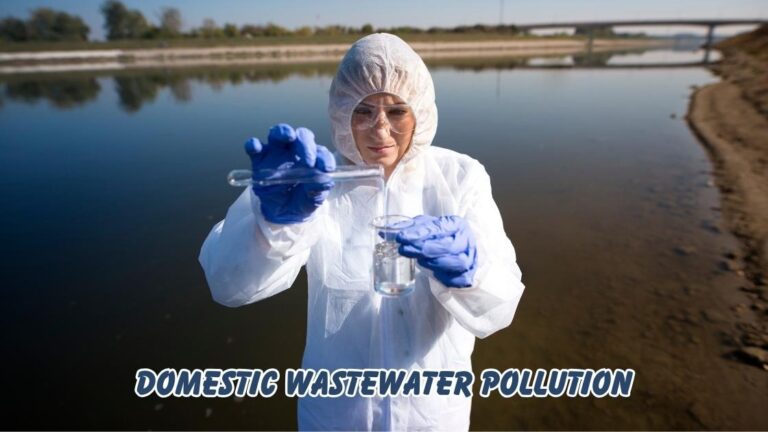
The consequences of water pollution reach far beyond dirty rivers and unpleasant smells they strike at the very heart of human survival and ecological balance. Every drop of polluted water carries invisible threats that harm marine life, damage ecosystems, and endanger our health. When industrial waste, chemicals, and plastics enter our water sources, the damage doesn’t stop there it travels through food chains, disrupts habitats, and affects millions of people worldwide.
In this article, we’ll explore the consequences of water pollution in detail, tracing how water contamination impacts biodiversity, agriculture, and human wellbeing. We’ll also uncover the historical roots, major causes, and potential solutions that can help us safeguard one of our planet’s most vital resources clean water.

Understanding the Consequences of Water Pollution: Definition and Background
To understand the consequences of water pollution, we must first define what it truly means. Water pollution occurs when harmful substances such as chemicals, sewage, or plastics are introduced into natural water bodies like rivers, lakes, and oceans. These pollutants degrade the quality of water, making it unsafe for both humans and wildlife.
Related Article: 8 Effects of Water Pollution: Exploring the Environmental and Health Impacts of Contaminated Water Sources
Historically, water contamination began accelerating with industrialization. Factories discharged untreated waste into rivers, while agricultural runoff carried fertilizers and pesticides into freshwater systems. Over time, these pollutants accumulated, leading to dead zones, toxic blooms, and widespread environmental pollution.
Today, the consequences of water pollution are more severe due to global population growth, urbanization, and unsustainable farming practices. The world faces a dual crisis depleting clean water sources and increasing contamination rates.
The Ecological Impact: How Water Pollution Destroys Aquatic Life
The Chain Reaction in Marine Ecosystems
One of the most devastating consequences of water pollution is the collapse of aquatic ecosystems. When toxic substances enter water bodies, they affect every level of the food chain:
•Fish and amphibians absorb chemicals through their gills and skin
•Zooplankton ingest microplastics, which accumulate in larger predators
•Coral reefs bleach and die from chemical exposure
As a result, biodiversity declines, and entire habitats become lifeless zones. Polluted water can alter oxygen levels, killing fish and suffocating aquatic plants. This imbalance disrupts ecosystems that have taken centuries to evolve.
Human Health and Water Contamination: A Silent Global Crisis
The consequences of water pollution are not confined to wildlife they pose direct threats to human health. Millions of people worldwide consume contaminated water daily, exposing themselves to diseases such as cholera, dysentery, and hepatitis A.
Water contamination from industrial waste often includes heavy metals like mercury and lead, which can cause long-term neurological and developmental disorders. In some developing regions, lack of proper sanitation and water treatment leads to high infant mortality and chronic illnesses.
According to the World Health Organization, more than 2 billion people drink polluted water that violates global safety standards. This silent crisis underscores the urgent need for sustainable water management and pollution control systems.
Economic and Agricultural Consequences of Water Pollution
Impact on Food Production and Livelihoods
Agriculture, the backbone of many economies, suffers tremendously from the consequences of water pollution. When irrigation water is contaminated, crops absorb toxic chemicals, leading to reduced yields and unsafe food production.
•Farmers face declining soil fertility
•Livestock fall ill after consuming polluted water
•Communities lose income as agricultural productivity drops
Fisheries are equally vulnerable. Contaminated rivers and oceans lead to mass fish deaths, devastating the livelihoods of coastal populations. The cost of cleaning polluted waterways and treating illnesses also places a massive financial strain on governments and local economies.
Environmental Pollution and Climate Connection
Few people realize that the consequences of water pollution are closely linked to climate change. Polluted water bodies release methane and nitrous oxide potent greenhouse gases that accelerate global warming. Moreover, as climate patterns shift, droughts and floods further spread water contamination, making cleanup efforts more difficult.
This interconnected crisis highlights that solving environmental pollution requires addressing multiple challenges together waste management, climate policy, and sustainable resource use.
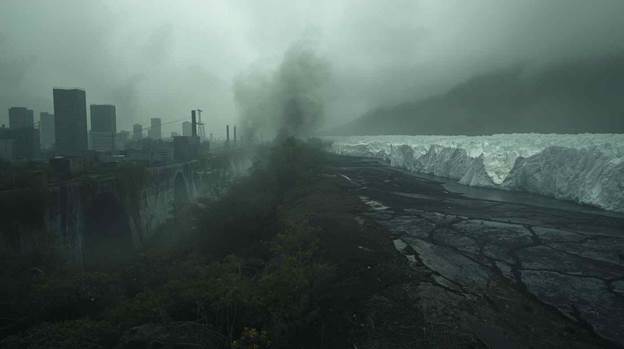
Real-World Examples: When Water Pollution Turned Deadly
Global Case Studies of Water Contamination
Several disasters illustrate the dire consequences of water pollution:
- Flint, Michigan (USA) – Lead contamination in drinking water caused a public health emergency, affecting thousands of residents.
- The Ganges River (India) – One of the world’s most polluted rivers, filled with industrial waste and sewage, threatening aquatic life and human health.
- Minamata Bay (Japan) – Mercury poisoning from industrial discharge led to severe neurological damage in local populations, now known as Minamata Disease.
These examples show that water contamination is not limited by geography it’s a universal challenge demanding global cooperation.
Solutions and Preventive Measures: Reducing the Consequences of Water Pollution
Practical Steps Toward Cleaner Water
To mitigate the consequences of water pollution, both governments and individuals must act collectively:
•Implement stricter industrial waste regulations
•Invest in wastewater treatment infrastructure
•Promote eco-friendly farming techniques
•Reduce plastic use and encourage recycling
•Raise awareness through education and community programs
Technological innovations, such as nanofiltration and bioremediation, also offer promising solutions to remove pollutants effectively. By embracing these measures, humanity can reverse the damage caused by water contamination and restore natural balance.
Conclusion
The consequences of water pollution are undeniable ranging from ecological destruction to human health crises. As water sources continue to deteriorate, the future of ecosystems and human survival hangs in the balance. However, with awareness, innovation, and global cooperation, we can curb water contamination and protect our planet’s lifeblood. Clean water is not a privilege it’s a necessity. It’s time to act before the damage becomes irreversible. Learn more, stay informed, and be part of the solution.