Control of atmospheric pollution has become one of the most urgent environmental challenges of our time. As industrial growth and urbanization continue to rise, the need for sustainable air quality management and eco-friendly initiatives has never been greater. Governments worldwide are introducing strict regulations to limit emissions, while local communities are stepping up with innovative green practices to protect the air we breathe.
This article explores how policy reforms, public awareness campaigns, and community-driven projects are working together to curb pollution and promote a cleaner, healthier environment. By understanding both national actions and local efforts, we can see how collective responsibility plays a crucial role in achieving a sustainable future for all.
Understanding the Control of Atmospheric Pollution and Its Global Importance
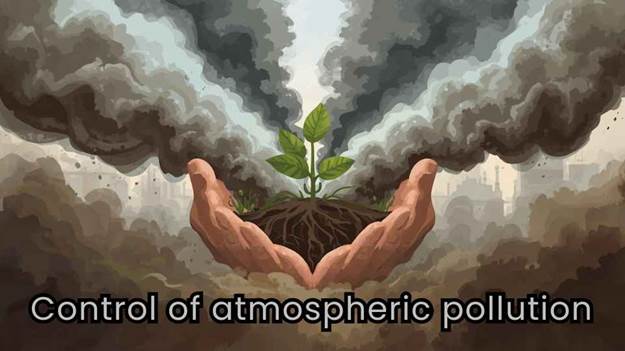
The control of atmospheric pollution refers to the systematic efforts made by governments, industries, and communities to reduce harmful emissions and maintain air quality. With rising urbanization and industrialization, pollutants such as carbon monoxide, sulfur dioxide, nitrogen oxides, and particulate matter have become major threats to public health and the environment. The need for effective air quality management has pushed nations to create strict regulations and adopt cleaner technologies to restore balance in the atmosphere.
Historically, awareness about air pollution began in the mid-20th century after several tragic smog incidents in industrial cities like London and Los Angeles. These events triggered the development of early environmental laws, marking the beginning of modern air pollution control. Today, international collaborations such as the Paris Agreement continue to shape global strategies to reduce greenhouse gas emissions and promote a sustainable environment.
Government Policies for Controlling Atmospheric Pollution
Government intervention plays a vital role in achieving the control of atmospheric pollution. National and regional authorities have implemented a variety of policies designed to minimize emissions and encourage cleaner production methods.
1. Environmental Regulations and Air Quality Standards
Most countries have introduced strict air quality standards based on World Health Organization (WHO) guidelines. These policies establish limits on pollutants and require industries to monitor and report their emissions regularly.
- Establishment of national air quality standards
- Regular monitoring and enforcement by environmental agencies
- Penalties for exceeding emission limits
For example, the Clean Air Act in the United States and similar frameworks in the European Union have been instrumental in reducing air pollution through strong legal backing.
2. Promotion of Renewable Energy and Green Technologies
Governments are shifting toward renewable energy sources to reduce dependence on fossil fuels. By encouraging solar, wind, and hydro power, they reduce emissions from coal and oil-based energy production.
- Subsidies for solar and wind energy projects
- Tax incentives for companies adopting clean technologies
- Support for electric vehicle infrastructure
These measures help minimize air pollutants while creating opportunities for sustainable growth and green employment.
3. Public Transport and Urban Planning
Sustainable city planning is essential for long-term air pollution control. Governments promote eco-friendly transportation systems and better waste management strategies to reduce urban emissions.
- Expansion of metro, tram, and bus networks
- Implementation of bike-sharing programs
- Promotion of green spaces and smart cities
Such initiatives not only improve air quality but also enhance urban living conditions and public health.
Community Actions and Local Initiatives for a Cleaner Environment
While government policies are essential, real change also depends on community participation. Grassroots movements and eco-friendly initiatives can significantly support the control of atmospheric pollution at the local level.
1. Awareness and Education Campaigns
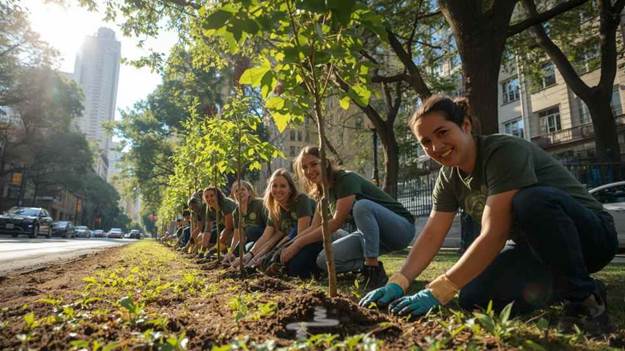
Communities worldwide are engaging in campaigns to raise awareness about the impact of pollution and promote sustainable lifestyles. Schools, NGOs, and social groups organize events to educate people about air conservation and environmental protection.
- Tree plantation drives
- Clean-up events and recycling programs
- Awareness workshops on reducing carbon footprints
These local actions foster a sense of shared responsibility and inspire behavioral change.
2. Waste Reduction and Recycling
Improper waste disposal emits harmful gases such as methane and carbon dioxide into the atmosphere. Communities focusing on sustainable waste management can drastically cut down on emissions.
- Encouraging composting and segregation of waste
- Promoting reusable materials over single-use plastics
- Supporting community-based recycling centers
By reducing waste generation, communities contribute directly to lowering the level of air pollutants.
3. Sustainable Lifestyle Choices
Every individual’s actions can make a difference. Adopting eco-friendly habits and supporting green policies contribute to the broader goal of controlling atmospheric pollution.
- Using energy-efficient appliances
- Supporting local and organic food production
- Carpooling, walking, or using public transport
When multiplied by millions, these small steps collectively help reduce pollution and conserve natural resources.
Benefits of Effective Atmospheric Pollution Control
Implementing proper control of atmospheric pollution policies benefits both the environment and human health. Cleaner air leads to lower rates of respiratory diseases, increased productivity, and improved quality of life.
Key benefits include:
- Reduction in chronic illnesses like asthma and lung cancer
- Preservation of ecosystems and biodiversity
- Mitigation of climate change through reduced greenhouse gas emissions
- Growth in green industries and sustainable jobs
These positive outcomes highlight the importance of joint efforts between governments, businesses, and citizens.
Challenges in Achieving Complete Atmospheric Pollution Control
Despite progress, several challenges still hinder global efforts. Rapid industrialization, weak enforcement of laws, and lack of public awareness remain obstacles.
- Limited funding for clean technology projects
- Inconsistent international cooperation
- Resistance from industries due to cost concerns
Overcoming these issues requires political commitment, global collaboration, and continuous technological innovation.
Examples of Successful Pollution Control Programs
Several countries have set examples of effective control of atmospheric pollution through comprehensive programs.
- Japan’s Air Pollution Control Law: Successfully reduced industrial emissions and promoted cleaner manufacturing.
- Sweden’s Carbon Tax Policy: Encouraged renewable energy use and significantly reduced CO₂ levels.
- India’s National Clean Air Programme: Focuses on improving monitoring and public awareness to reduce urban smog.
These initiatives demonstrate that coordinated policies and public engagement can lead to measurable improvements in air quality.
Conclusion:
The control of atmospheric pollution is essential for protecting both human health and the planet’s ecosystems. By combining sustainable air quality management, strong government policies, and active community participation, we can significantly reduce harmful emissions and create a cleaner, greener world. Continued innovation and public awareness are key to maintaining progress. Together, we can make lasting change so let’s stay informed, support eco-friendly initiatives, and work collectively toward a healthier and more sustainable environment for future generations.