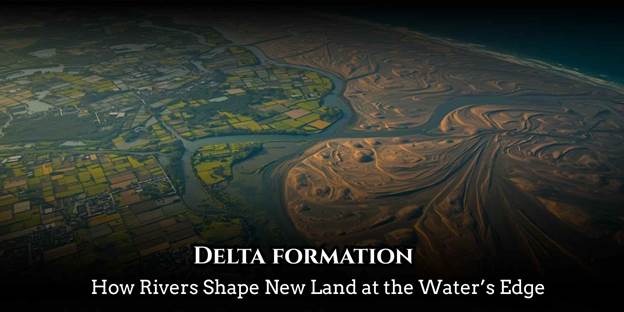
Delta formation occurs where rivers meet the sea, creating vast, fertile landscapes that sustain both nature and human life. This natural process happens as flowing water slows down and deposits sediments at its mouth, gradually building new land over time. These deltas become rich ecosystems teeming with biodiversity and vital resources.
Table of Contents
In this article, we’ll explore how deltas form, the key factors influencing their growth, and why sediment deposition, river flow dynamics, and coastal erosion play crucial roles in shaping some of the world’s most productive environments.
Understanding Delta Formation: Nature’s Land-Building Process
What Is Delta Formation?
Delta formation refers to the natural process through which rivers deposit sediments as they enter slower-moving or standing water bodies such as seas, lakes, or oceans. These sediments composed of silt, clay, and sand gradually accumulate, creating fan-shaped landmasses known as river deltas. The name “delta” comes from the Greek letter Δ (delta), symbolizing the triangular shape commonly seen at river mouths like the Nile or Mississippi.
Delta formation reflects the balance between sediment supply, river flow, and tidal energy. When sediment buildup surpasses erosion, new land emerges, revealing how rivers shape landscapes over time.
Historical Background and Discovery
The study of delta formation began with ancient civilizations that thrived near fertile river mouths like Egypt’s Nile Delta. Over time, scientists learned that delta development depends on sediment load, river flow, and tidal strength. Today, modern satellite imaging helps experts monitor how natural forces and human actions shape and transform these vital landscapes.
The Science Behind Delta Formation
Sediment Transport and Deposition
During delta formation, rivers carry eroded sediments from the highlands toward the sea. As the flow slows near the mouth, sediments settle and gradually build up, forming the base of a new delta.
Three main factors influence this process:
- Sediment load: The quantity and type of material carried by the river.
- Flow velocity: Faster rivers transport more material, while slower ones deposit sediments earlier.
- Tidal and wave energy: Strong tides can reshape deltas, while calm waters allow them to grow outward.
Types of Deltas
Deltas vary in shape and structure depending on dominant environmental forces:
- River-dominated deltas: Shaped mainly by sediment deposition (e.g., Mississippi Delta).
- Tide-dominated deltas: Influenced by tidal currents that redistribute sediments (e.g., Ganges-Brahmaputra Delta).
- Wave-dominated deltas: Formed where wave energy smooths and reshapes the shoreline (e.g., Nile Delta).
Importance of Deltas in the Natural World
Deltas rank among the planet’s most fertile and biologically rich ecosystems. They support vast wetlands, mangroves, and estuaries that provide habitats for fish, birds, and other wildlife. The rich alluvial soil in these regions makes them agricultural hotspots, sustaining millions of people.
Key benefits include:
• Fertile land: Nutrient-rich sediments enhance crop growth.
• Biodiversity: Deltas host diverse plant and animal life.
• Natural buffers: They absorb floodwaters and protect inland areas from storm surges.
• Economic resources: Many deltas serve as hubs for fisheries, trade, and tourism.
Human Impact and Modern Challenges
Although delta formation has supported civilizations for ages, modern activities now threaten these vital regions. Dams, mining, and industrial growth reduce sediment flow, leading to coastal erosion. The Mekong and Mississippi Deltas are shrinking due to limited sediment supply, while rising seas and saltwater intrusion further damage farmland and freshwater resources.
Major Challenges in Delta Management:
- Sediment starvation from upstream dams.
- Land subsidence due to groundwater extraction.
- Pollution from agricultural and industrial runoff.
- Coastal flooding intensified by sea-level rise.
Global Examples of Delta Formation
Several deltas worldwide illustrate the beauty and importance of this natural process:
• Nile Delta (Egypt): Known for its triangular shape and ancient agricultural heritage.
• Ganges-Brahmaputra Delta (India and Bangladesh): The world’s largest delta, supporting millions through farming and fisheries.
• Mississippi Delta (USA): A crucial ecological and economic zone for North America.
• Amazon Delta (Brazil): Characterized by dense vegetation and rich biodiversity.
• Okavango Delta (Botswana): A unique inland delta that sustains diverse wildlife in the desert.
Each of these examples demonstrates how delta formation connects land and water, influencing human culture and natural ecosystems.
Protecting and Preserving Deltas
To sustain these vital landscapes, conservation efforts focus on restoring natural sediment flow, reducing pollution, and adapting to climate change. Modern technologies such as remote sensing, hydrodynamic modeling, and geospatial mapping help scientists monitor delta changes and predict future risks.
Sustainable management involves:
• Reconnecting rivers to floodplains to restore sediment balance.
• Promoting responsible land use and waste management.
• Enhancing awareness about the ecological value of deltas.
By integrating science, policy, and community participation, societies can ensure that these dynamic landforms continue to thrive for generations to come.
The Ever-Changing Nature of Deltas
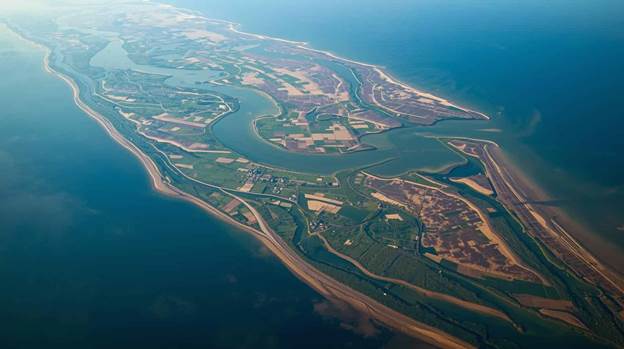
Deltas remind us that Earth’s surface is constantly evolving. Through delta formation, rivers build new worlds transforming sediment into soil, water into wetlands, and landscapes into life-supporting environments. Understanding their formation and preservation not only deepens our appreciation of natural processes but also helps us live more sustainably with the planet’s shifting rhythms.
Conclusion
In summary, delta formation is one of nature’s most fascinating processes, turning flowing sediments into fertile, life-sustaining landscapes. From the Nile to the Ganges, deltas nurture ecosystems, support agriculture, and shape human civilizations. Yet, these regions face increasing threats from rising seas and disrupted sediment flow. Understanding how deltas form and evolve is key to protecting them. By supporting conservation efforts, embracing sustainable management, and staying informed, we can ensure that these dynamic environments continue to thrive and provide for future generations.