The animal kingdom is vast, diverse, and endlessly fascinating, but some species stand out for their uniqueness. Among them are Exotic mammals, animals that capture human curiosity due to their rarity, unusual adaptations, or striking appearances. From the rainforests of South America to the deserts of Africa, these creatures play essential ecological roles while also captivating researchers, wildlife enthusiasts, and conservationists.
Table of Contents
Despite their charm, many Exotic mammals face threats from habitat loss, climate change, and the illegal wildlife trade, making it vital to understand their importance and the need for their protection.
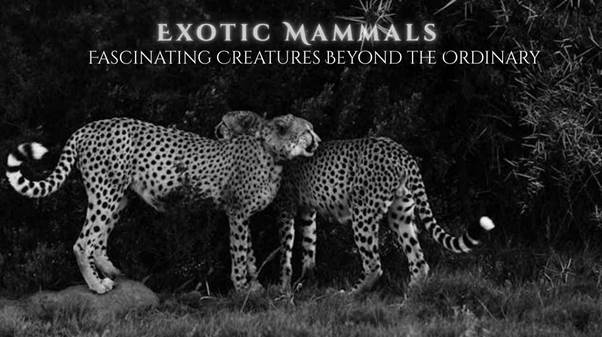
What Are Exotic Mammals?
Exotic mammals are species not commonly found in a particular region or those that exhibit rare features, making them stand out from the more familiar animals. They may have evolved unique survival mechanisms, unusual diets, or striking appearances that distinguish them from domestic or widely known species. Unlike common mammals such as dogs, cats, or deer, Exotic mammals are often found in remote or restricted habitats and are not typically kept as household pets.
Unique Traits of Exotic Mammals
Unusual Adaptations
One of the defining features of Exotic mammals is their remarkable ability to adapt to challenging environments. The fennec fox, with its oversized ears, thrives in the Sahara Desert by dissipating heat. Meanwhile, the pangolin, covered in protective scales, uses its claws and tongue to hunt ants and termites efficiently. These adaptations showcase how Exotic mammals evolve to survive in diverse habitats across the globe.
Striking Appearances
The allure of Exotic mammals often lies in their extraordinary appearances. For example, the okapi, native to the Congo, resembles a mix between a giraffe and a zebra. Similarly, the axolotl, though technically an amphibian often grouped with exotic animals, fascinates with its external gills and perpetual larval stage. These unique features make Exotic mammals some of the most studied creatures in zoology.
Importance of Exotic Mammals in Ecosystems
Maintaining Balance
Like all wildlife, Exotic mammals play essential roles in maintaining ecosystem balance. Predators like snow leopards regulate populations of herbivores in mountainous regions, while fruit bats help pollinate trees and spread seeds across tropical forests. Without these species, entire ecosystems could collapse, showcasing the vital role Exotic mammals play in biodiversity.
Indicators of Environmental Health
Many Exotic mammals serve as indicators of environmental health. For instance, the presence of manatees in freshwater and coastal ecosystems reflects clean, undisturbed habitats. When these species decline, it often signals larger ecological issues such as pollution, habitat destruction, or climate disruption.
Human Interaction with Exotic Mammals
Captivation and Curiosity
Humans have always been fascinated by Exotic mammals, often keeping them in zoos or wildlife reserves for education and conservation. They inspire art, mythology, and cultural traditions across different societies. While observing Exotic mammals can increase awareness about biodiversity, it also raises ethical questions about captivity and the need for environments that mimic natural habitats.
The Threat of Wildlife Trade
Unfortunately, the allure of Exotic mammals also makes them vulnerable to exploitation. Many species are illegally traded as pets, luxury items, or for traditional medicine. This practice not only endangers their survival but also disrupts ecosystems. The illegal trade of pangolins, for instance, has led to a steep decline in their population worldwide. Addressing this issue requires global cooperation, stronger regulations, and increased awareness.

Conservation Challenges and Efforts
Major Threats
Habitat destruction due to deforestation, mining, and agriculture remains one of the greatest threats to Exotic mammals. Climate change adds another layer of pressure by altering ecosystems and reducing suitable living conditions. In addition, poaching and hunting continue to endanger species such as tigers, elephants, and primates that fall under the category of Exotic mammals.
Global Conservation Programs
Thankfully, many organizations and governments are working to protect Exotic mammals through laws, wildlife sanctuaries, and breeding programs. International agreements such as CITES (Convention on International Trade in Endangered Species of Wild Fauna and Flora) help regulate and reduce illegal trade. At the same time, conservation groups actively engage in restoring habitats, conducting scientific research, and educating communities about the importance of preserving these animals.
Role of Local Communities
Conservation cannot succeed without the involvement of local communities. In many regions, indigenous and rural populations coexist with Exotic mammals and play a vital role in their protection. By providing sustainable livelihood alternatives and involving these communities in conservation efforts, it becomes possible to create long-term solutions that benefit both people and wildlife.
The Future of Exotic Mammals
The future of Exotic mammals depends on collective global action. While they face significant threats, innovative conservation strategies, technological advancements, and international cooperation offer hope. Eco-tourism, for instance, provides financial incentives for protecting these species while educating visitors about biodiversity. Moreover, advancements in genetic research and wildlife tracking enhance our ability to monitor populations and develop better protection strategies.
Protecting Exotic mammals is not just about preserving rare animals it is about maintaining ecological stability, supporting human well-being, and ensuring that future generations can marvel at the richness of life on Earth.
Conclusion
Exotic mammals represent some of the most fascinating and essential species on the planet. Their rare adaptations, striking appearances, and critical roles in ecosystems make them invaluable to biodiversity. Yet, their survival is increasingly threatened by human activities and environmental challenges. By strengthening conservation efforts, curbing illegal wildlife trade, and raising awareness, we can protect these incredible animals. The fate of Exotic mammals is intertwined with our own, making their preservation a shared responsibility for all.