
Grass meadows have shaped human history for thousands of years, nurturing civilizations, supporting agriculture, and sustaining ecosystems across continents. From the early herders who grazed their animals on lush plains to modern conservationists striving to preserve these landscapes, grass meadows have remained vital to both people and nature. These open fields of green not only provide food and livelihood but also act as silent guardians of biodiversity and climate balance.
Table of Contents
This article explores the fascinating journey of grass meadows through time tracing their ancient role in human development, their ecological and cultural significance, and the challenges they face in the modern world. By understanding how grass meadows have evolved from ancient pastures to centers of conservation, we gain a deeper appreciation for these living tapestries that continue to sustain life on Earth.
The Origin of Grass Meadows: Nature’s Green Foundation
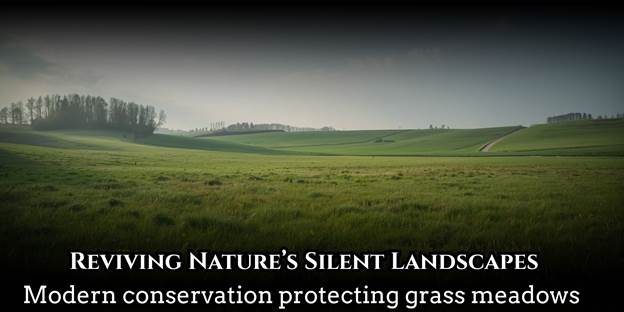
Grass meadows, also known as grasslands, are vast ecosystems dominated by grasses and wildflowers. They have existed since the Miocene epoch, around 20 million years ago, when climatic changes allowed grasses to spread globally. These habitats now cover nearly one-third of Earth’s land area, forming a bridge between forests and deserts.
In ancient times, grass meadows played a foundational role in human survival. Early humans relied on these fertile plains for hunting and gathering before transitioning to herding and agriculture. Civilizations like those in Mesopotamia and Central Asia flourished near expansive meadows, which provided grazing grounds for cattle, sheep, and horses. These landscapes became the backbone of early economies, supporting food production and trade.
Grass Meadows and Early Human Civilizations
The connection between humans and grass meadows is deeply historical. Pastoral societies thrived by domesticating animals that depended on meadows for sustenance. This bond led to the rise of nomadic cultures that moved with their herds in search of fresh pasture.
Cultural and Economic Significance
• Meadows influenced migration patterns and settlement locations
• They served as natural highways for trade routes and caravans
• Many traditional rituals and festivals celebrated the cycles of meadow growth and harvest
These landscapes were more than economic assets they shaped identities and traditions. From Mongolian steppe herders to medieval European farmers, grass meadows symbolized fertility, prosperity, and freedom.
The Ecological Importance of Grass Meadows
Beyond their historical role, grass meadows are ecological powerhouses. They store carbon, regulate water cycles, and support a wide range of wildlife. Species such as butterflies, bees, deer, and songbirds depend on meadow ecosystems for food and shelter.
Key Environmental Benefits of Grass Meadows
- Carbon Storage: Meadows trap carbon in their deep root systems, helping combat climate change.
- Soil Protection: Grass roots prevent erosion and maintain soil fertility.
- Water Regulation: Meadows absorb rainfall, reducing flood risks and replenishing groundwater.
- Biodiversity: Thousands of plant and animal species thrive in meadow habitats.
In modern times, scientists recognize that protecting these landscapes is essential not just for wildlife, but also for sustaining agriculture and combating global warming.
Grass Meadows in Agriculture and Human Livelihoods
For centuries, grass meadows have supported human livelihoods. They provide hay for livestock, attract pollinators for crops, and maintain fertile soils for farming. Traditional meadow management such as rotational grazing and seasonal mowing ensures sustainability without depleting natural resources.
In contemporary agriculture, however, the expansion of intensive farming has reduced natural meadowlands. Converting meadows into monoculture fields disrupts ecological balance and diminishes soil health. Fortunately, many countries are now promoting meadow restoration projects to combine productivity with sustainability.
Modern Practices Reviving Grass Meadows
• Reintroducing native grass species
• Encouraging eco-grazing and low-impact livestock farming
• Designating protected meadow reserves
• Promoting eco-tourism centered on meadow landscapes
These practices highlight a renewed respect for meadows as allies in achieving both food security and environmental resilience.
Threats and Conservation Challenges
Despite their value, grass meadows face alarming threats. Urbanization, industrial farming, and climate change are shrinking these habitats at unprecedented rates. Fragmentation of meadows reduces wildlife corridors, while overgrazing and pesticide use degrade soil and biodiversity.
Governments and conservation groups are increasingly recognizing the urgency of protecting grasslands. International initiatives like the Global Grassland Alliance and the European Meadow Restoration Program work to safeguard remaining meadow ecosystems.
Steps Toward Sustainable Conservation
• Mapping and monitoring meadow ecosystems
• Encouraging community-based meadow management
• Integrating meadow restoration into climate policies
• Educating the public about meadow importance
Conservation is not just an environmental duty it’s a cultural revival. Restoring meadows reconnects people to nature and reinforces the ancient relationship between humanity and the land.
Grass Meadows in the Modern World: From Pastures to Preservation
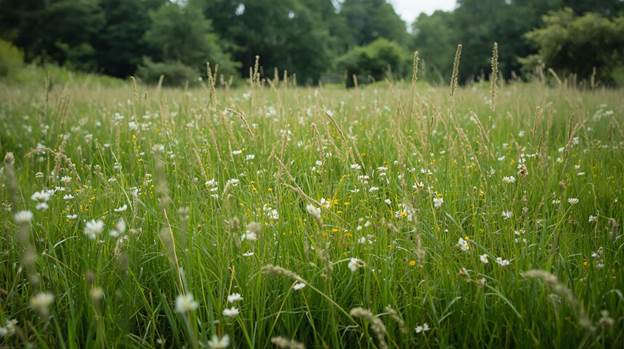
Today, grass meadows symbolize a shift in how humans view nature. Once valued mainly for agriculture, they are now seen as vital for biodiversity and mental well-being. Urban meadow projects are being developed in cities to bring nature closer to people, supporting pollinators and improving air quality.
Countries like the UK, the United States, and Germany have launched “wildflower meadow” initiatives to recreate natural habitats. These projects highlight the harmony between human development and ecological preservation.
Grass meadows, in this sense, have come full circle from being humanity’s ancient pastures to becoming symbols of sustainable living and conservation ethics .
Conclusion
Grass meadows are more than stretches of green; they are living chronicles of human history and ecological balance. From feeding early civilizations to inspiring modern conservation, they remain essential to both our survival and the planet’s health. Protecting and restoring grass meadows ensures a future where people and nature thrive together. To keep these landscapes alive, we must continue to learn, conserve, and advocate for their preservation honoring the meadows that have silently nurtured humanity since ancient times.