In the race toward sustainable urbanization, managing green city waste has become a crucial element in building cleaner and smarter cities. As urban populations expand, the volume of daily waste rises, placing immense pressure on municipal systems and natural resources. Effective waste segregation, recycling innovation, and eco-friendly urban planning are transforming how cities handle their environmental responsibilities.
This article explores how modern waste management systems reduce pollution, promote resource recovery, and enhance public health. It also discusses the role of technology, community participation, and policy initiatives in creating greener, more resilient urban environments. By understanding these sustainable practices, cities can transition from waste generators to leaders in environmental stewardship and circular economy growth.
Understanding the Concept of Green City Waste
Definition and Overview
Green city waste refers to environmentally responsible systems of collecting, processing, and managing waste in urban areas with minimal ecological impact. Unlike traditional waste disposal, which often ends in landfills, this approach emphasizes sustainable waste management, recycling, and resource recovery. The goal is to transform waste from a problem into a resource, contributing to cleaner cities and a healthier planet. Through modern infrastructure, technology, and public participation, cities can implement sustainable models that align with the global movement toward eco-conscious living and reduced carbon emissions.

Historical Background and Evolution
The evolution of green city waste management began as industrialization and urbanization increased waste generation. Initially marked by dumping and burning, this shifted as awareness of pollution grew. Nations like Sweden and Japan led innovations in recycling and waste-to-energy systems. With modern technology, smart waste solutions using sensors and data analytics now enhance efficiency and cut emissions, marking a major step toward sustainable urban development and circular economies.
Importance of Managing Green City Waste
Environmental and Social Impact
Effective green city waste management plays a crucial role in maintaining environmental balance and public well-being. It not only minimizes pollution but also preserves natural resources by promoting reuse and recycling. Proper waste handling prevents contamination of air, soil, and water, ensuring safer living conditions for urban residents.
Key contributions include:
•Reduction of greenhouse gas emissions through waste recycling
•Conservation of natural resources by reusing materials
•Enhanced urban sanitation and reduced disease spread
•Encouragement of environmental awareness among citizens
Economic and Policy Significance
The management of green city waste also creates economic opportunities and policy advancements. Sustainable waste industries generate employment in recycling, composting, and energy recovery sectors. Additionally, eco-friendly policies and urban governance frameworks encourage innovation in waste reduction. Governments that invest in green infrastructure not only reduce environmental damage but also promote long-term economic resilience. This balance between ecology and economy reinforces the global vision for sustainable cities.
Benefits of Implementing Green City Waste Systems
Sustainable Urban Development
The adoption of green city waste systems offers numerous benefits that enhance urban sustainability. Cities implementing integrated waste programs experience cleaner surroundings, improved air quality, and reduced landfill dependency.
Major benefits include:
•Promotion of renewable energy through waste-to-energy plants
•Decreased landfill burden and soil contamination
•Support for circular economy by converting waste into usable products
•Stronger community engagement through awareness programs
Technological Advancements and Efficiency
Technology is revolutionizing green city waste management through automation and smart solutions. AI-powered recycling systems and sensor-based bins optimize collection, reduce fuel use, and enhance efficiency. With data analytics, cities can predict waste patterns, refine operations, and strengthen policies paving the way for smarter, more sustainable urban environments.
Challenges in Managing Green City Waste
Operational and Financial Barriers
Despite the progress, cities face challenges in maintaining efficient green city waste systems. High costs of equipment, limited budgets, and inadequate public participation often hinder implementation. Developing nations particularly struggle with insufficient infrastructure and poor waste segregation practices. Without consistent funding and awareness campaigns, achieving large-scale waste sustainability remains difficult.
Public Awareness and Behavioral Issues
A significant obstacle in green city waste management is the lack of public understanding and cooperation. Many urban dwellers are unaware of the importance of proper waste segregation or the consequences of irresponsible disposal. Overcoming this requires community education, government incentives, and the integration of environmental education in schools. When citizens actively participate, cities can achieve substantial progress toward a cleaner and greener future.
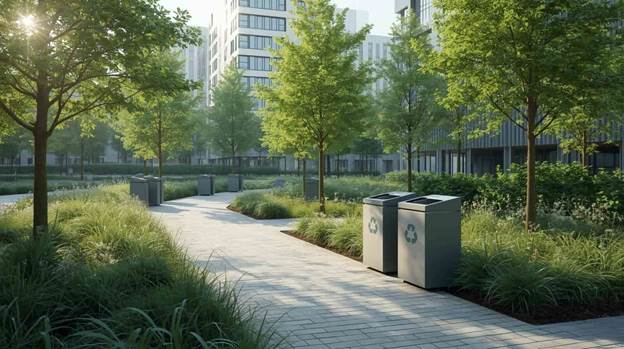
Examples of Successful Green City Waste Models
Global and Regional Initiatives
Several cities around the world have become models for effective green city waste systems.
•Stockholm, Sweden: Converts over 99% of household waste into energy and recyclable materials.
•Singapore: Utilizes advanced incineration plants and comprehensive recycling programs.
•Tokyo, Japan: Implements strict waste segregation rules and public participation campaigns.
•San Francisco, USA: Achieved one of the highest recycling rates globally through education and policy enforcement.
These examples demonstrate that with proper planning, innovation, and community engagement, sustainable waste management is achievable at scale.
Future Outlook and Sustainable Vision
Toward Smart and Circular Cities
The future of green city waste lies in smart, interconnected systems that combine digital innovation with environmental ethics. The adoption of AI-based waste tracking, biodegradable materials, and renewable technologies will redefine how urban areas manage resources. Governments, industries, and citizens must collaborate to promote zero-waste goals and build eco-efficient cities. As the world faces climate and resource challenges, transitioning to sustainable waste solutions is not an option it’s a necessity for a resilient and thriving urban future.
Conclusion
In conclusion, green city waste management is vital for building cleaner and more sustainable urban spaces. With innovation, community involvement, and smart solutions, cities can transform waste into valuable resources while safeguarding the environment. As the world moves toward a circular economy, it’s clear that sustainability and growth can go hand in hand. By supporting eco-friendly waste practices and staying informed, everyone can play a part in creating a greener, healthier future.