Understanding Hadley Cell Expansion and Its Growing Global Significance
Hadley Cell Expansion is becoming one of the most discussed phenomena in climate science. It refers to the widening of tropical atmospheric circulation systems, known as Hadley cells, that control rainfall, temperature, and wind patterns across the globe. As these cells expand, they shift dry zones toward higher latitudes, disrupting weather systems that millions depend on.
Table of Contents
In this article, we’ll explore how Hadley Cell Expansion connects to extreme weather, what drives it, its impacts on global climates, and why understanding this dynamic is crucial for our planet’s future.
The Science Behind Hadley Cell Dynamics
What Is the Hadley Cell and How Does It Work?
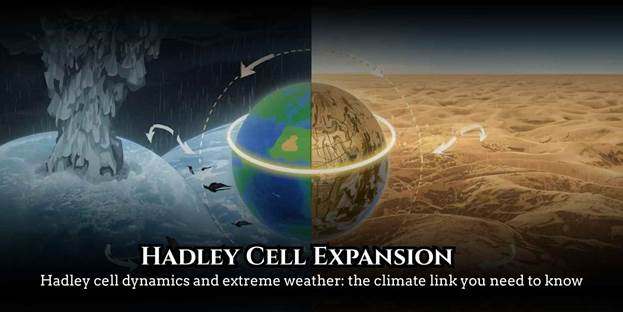
The Hadley Cell is a major component of Earth’s atmospheric circulation. It begins near the equator, where warm air rises due to intense solar heating. This air moves poleward at high altitudes, cools, and descends around 30 degrees latitude, creating arid zones like deserts. The process forms a closed loop of air movement rising, moving, and sinking that regulates tropical climates.
When scientists talk about Hadley Cell Expansion, they refer to the gradual widening of these circulation loops toward the poles. Observations show that the Hadley cells have expanded by 2–4 degrees of latitude since the 1970s. This seemingly small shift has major implications for rainfall distribution, droughts, and storm patterns worldwide.
Causes of Hadley Cell Expansion
1. Greenhouse Gas Emissions
Increased greenhouse gases trap more heat in the atmosphere, warming tropical regions and altering temperature gradients. This weakens the subtropical jet streams, allowing Hadley cells to expand poleward.
2. Stratospheric Ozone Depletion
In the Southern Hemisphere, ozone depletion over Antarctica changes wind circulation, pushing the descending branch of the Hadley Cell further south.
3. Ocean Temperature Changes
Warming oceans modify heat and moisture transport, especially in the Pacific and Atlantic. These sea surface temperature shifts influence tropical convection, a key driver of Hadley Cell dynamics.
Global Consequences of Hadley Cell Expansion
Widening Dry Zones and Shifting Rain Belts
As Hadley cells expand, regions that were once semi-arid are becoming drier. Areas like southern Australia, the Mediterranean, and parts of the southwestern United States are experiencing reduced rainfall. This shift threatens agriculture, water resources, and biodiversity.
Increased Drought and Wildfire Risks
With rainfall moving away from subtropical zones, drought frequency increases. For example, the Mediterranean Basin has seen record droughts, while California faces prolonged dry seasons that fuel wildfires.
More Intense Storms in the Tropics
While subtropical regions dry out, tropical zones may see stronger storms and cyclones. Hadley Cell Expansion enhances convection near the equator, increasing the intensity of rainfall and tropical disturbances.
Hadley Cell Expansion and Extreme Weather: The Climate Link
How Expansion Drives Climate Extremes
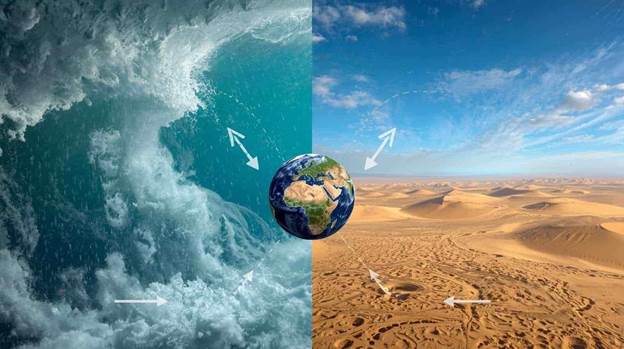
Hadley Cell Expansion reshapes wind and moisture distribution, directly influencing global weather extremes. It amplifies both droughts and floods by shifting where precipitation falls.
Key connections include:
- More heatwaves: Expanding subtropics face prolonged dry and hot conditions.
- Shifting monsoon patterns: Asian and African monsoons become unpredictable.
- Polar climate feedbacks: As dry air moves poleward, polar regions warm faster, accelerating ice melt.
Real-World Evidence
Satellite data from NASA and the European Space Agency confirm that the Hadley Cell is expanding more rapidly in the Northern Hemisphere. Climate records show that between 1979 and 2020, dry regions have widened by over 140 miles on average. This expansion pattern aligns with observed increases in drought intensity and heatwave frequency across subtropical latitudes.
Regional Impacts of Hadley Cell Expansion
1. The United States and North America
The southern U.S. is expected to face more drought and heat events. Shifts in jet streams linked to Hadley Cell Expansion may also cause unpredictable cold snaps in northern regions.
2. Australia
Southern Australia is one of the clearest examples of Hadley Cell-related drying, leading to reduced rainfall and more bushfires.
3. The Mediterranean and Middle East
These regions are becoming drier as subtropical dry zones expand, straining water supplies and agriculture.
Future Outlook: Can Hadley Cell Expansion Be Controlled?
Adaptation and Climate Action
While reversing Hadley Cell Expansion is not immediately possible, mitigating its effects is achievable through:
- Reducing greenhouse gas emissions to slow atmospheric warming
- Reforestation and soil conservation to balance regional moisture
- Advanced climate modeling for better weather prediction and adaptation
Scientists emphasize that continued global warming could push the Hadley cells to expand even further, altering weather stability and intensifying regional extremes.
Conclusion
Hadley Cell Expansion is more than a scientific curiosity it’s a sign of a rapidly changing climate system. As these massive atmospheric circulations widen, they influence rainfall, temperature, and extreme weather patterns around the world. Understanding the mechanisms behind Hadley Cell dynamics gives us the insight needed to anticipate droughts, storms, and long-term shifts in habitable zones. Staying informed and supporting global climate action is key to adapting to this inevitable change.
1. What is Hadley Cell Expansion?
Hadley Cell Expansion refers to the widening of tropical air circulation cells that control rainfall and wind patterns on Earth.
2. What causes Hadley Cell Expansion?
Rising greenhouse gases, ocean temperature changes, and ozone depletion are the main causes of Hadley Cell Expansion.