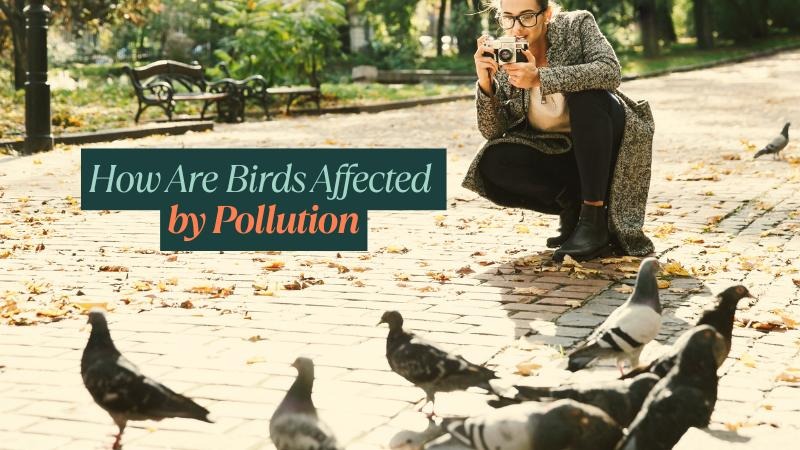
Have you ever wondered how are birds affected by pollution in ways that silently reshape entire ecosystems? The devastating reality is far more complex than most people realize. Across every continent, avian populations are experiencing unprecedented declines directly linked to environmental contamination. From toxic heavy metals accumulating in feathers to microplastics disrupting reproductive cycles, the threats are both invisible and relentless.
This comprehensive article dives deep into peer-reviewed ecological research to uncover how are birds affected by pollution at physiological, behavioral, and population levels. We will examine critical evidence surrounding air quality degradation, water contamination impact on wildlife, habitat destruction through industrial waste, and the alarming connection between pesticide exposure and bird mortality rates.
Understanding how are birds affected by pollution is no longer just an academic question it is an urgent conservation priority. Scientists worldwide are now documenting how chemical pollutants alter avian migration patterns and weaken immune systems irreversibly.
Understanding the Core Science Behind Avian Pollution Exposure
The question of how are birds affected by pollution has become one of the most researched topics in modern ornithology. Scientists across multiple disciplines have dedicated decades to understanding the intricate ways environmental contamination disrupts avian life cycles. At its core, pollution refers to the introduction of harmful substances into natural habitats that alter the biological functioning of living organisms.
Birds occupy nearly every ecological niche on the planet, making them extremely vulnerable to contamination sources ranging from industrial emissions to agricultural runoff. Their high metabolic rates, unique respiratory systems, and migratory behaviors expose them to pollutants far more intensely than many other vertebrates. Researchers frequently use birds as bioindicator species because their health directly reflects the overall condition of an ecosystem.
Historical Context of Pollution and Bird Populations
The relationship between environmental contamination and avian population decline stretches back to the mid twentieth century. Rachel Carson’s groundbreaking work in 1962 first brought global attention to how are birds affected by pollution when she documented the catastrophic impact of DDT on raptor species. Bald eagles, peregrine falcons, and brown pelicans experienced devastating eggshell thinning that pushed several species toward extinction.
Since that era, regulatory frameworks have evolved significantly. However, new pollutants have emerged that present equally severe threats. Understanding this historical trajectory is essential for appreciating why contemporary research on how are birds affected by pollution remains critically important for wildlife conservation efforts worldwide.
How Air Quality Degradation Impacts Avian Respiratory Systems
Birds possess a highly efficient respiratory system that includes air sacs extending throughout their bodies. While this anatomy enables sustained flight at high altitudes, it also makes them disproportionately susceptible to airborne toxins. When birds inhale particulate matter, nitrogen dioxide, or sulfur compounds, the damage to their lung tissue can be irreversible.
Studies published in peer reviewed journals have confirmed that how are birds affected by pollution through atmospheric contamination varies significantly across species. Urban dwelling birds such as house sparrows and pigeons show chronic inflammation in respiratory tissues compared to their rural counterparts. Ground level ozone exposure has been linked to reduced song complexity in passerine species, which directly affects mating success.
The Silent Threat of Chemical Pollutants in Water Sources
Aquatic ecosystems serve as critical feeding and breeding grounds for thousands of bird species. Water contamination from industrial discharge, agricultural pesticide exposure, and pharmaceutical waste introduces toxins that bioaccumulate through the food chain. Wading birds, waterfowl, and shorebirds ingest contaminated fish, invertebrates, and aquatic vegetation daily.
Research demonstrates that how are birds affected by pollution in freshwater and marine environments manifests through neurological damage, organ failure, and compromised reproductive health. Mercury accumulation in fish eating birds like herons and kingfishers has reached alarming concentrations in several regions globally.
Microplastics and Heavy Metals as Emerging Avian Threats
Perhaps the most alarming contemporary discovery involves microplastics infiltrating avian digestive systems. Seabirds are particularly vulnerable, with studies revealing that over ninety percent of certain species have ingested plastic fragments. These particles cause internal lacerations, false satiation, and toxic chemical leaching within the gut.
Heavy metals including lead, cadmium, and arsenic accumulate in feather keratin, blood, and organ tissues. Examining how are birds affected by pollution through heavy metal exposure reveals disturbing patterns of ecosystem disruption across both terrestrial and marine food webs. Raptors feeding on contaminated prey experience weakened immune responses and reduced hunting efficiency.
The Connection Between Habitat Destruction and Pollution
Pollution and habitat destruction frequently operate as compounding forces against avian survival. Industrial development introduces chemical pollutants while simultaneously eliminating nesting sites, foraging areas, and migratory stopover locations. This dual threat accelerates bird mortality rates beyond what either factor would cause independently.
Wetland drainage for agriculture removes natural filtration systems that once protected waterways from contamination. When examining how are birds affected by pollution in degraded habitats, researchers consistently find that species diversity drops dramatically within contaminated zones compared to pristine environments.
Key Challenges Facing Avian Conservation Today
Modern conservation scientists face several interconnected obstacles when addressing how are birds affected by pollution on a global scale. The following challenges represent the most pressing concerns identified through extensive field research.
- Persistent organic pollutants remain in ecosystems for decades after initial release, continuing to cause avian population decline long after emission sources are eliminated
- Climate change amplifies pollution effects by altering precipitation patterns that redistribute contaminants across previously unaffected regions
- Light pollution disrupts nocturnal migration routes, causing fatal collisions and energy depletion in millions of birds annually
- Noise pollution from urban expansion interferes with avian communication, reducing breeding success and territory defense capabilities
- Monitoring pesticide exposure across migratory flyways requires international cooperation that remains inconsistently implemented
These challenges underscore the complexity of protecting bird species in an increasingly industrialized world.

Real World Examples of Pollution Driven Avian Decline
The vulture crisis across South Asia provides a stark example of how are birds affected by pollution through pharmaceutical contamination. Diclofenac, an anti inflammatory drug administered to livestock, caused a ninety nine percent decline in three vulture species within a single decade. This catastrophic bird mortality event triggered cascading ecological consequences including increased disease transmission from unscavenged carcasses.
In North America, neonicotinoid insecticides have been linked to significant reproductive health failures in grassland bird species. Studies tracking how are birds affected by pollution from these widely used agricultural chemicals show reduced egg viability, chick survival rates, and adult body condition across multiple breeding seasons.
The Importance of Continued Research and Public Awareness
Understanding how are birds affected by pollution serves purposes far beyond academic curiosity. Birds perform essential ecological services including pest control, pollination, seed dispersal, and nutrient cycling. Their decline signals broader environmental degradation that ultimately threatens human wellbeing.
Citizen science programs have expanded data collection capabilities enormously, enabling researchers to track air quality degradation effects on bird populations across vast geographic areas. Public engagement with wildlife conservation initiatives creates political momentum for stronger environmental regulations.
Investing in long term ecological monitoring ensures that emerging threats are identified before they reach crisis levels. Every community can contribute to reducing environmental contamination through informed choices about pesticide exposure reduction, waste management, and supporting habitat restoration projects that protect avian species for future generations.
The Role of Noise and Light Pollution in Avian Behavioral Disruption
Beyond chemical contamination, sensory pollution has emerged as a critically underestimated threat to bird species worldwide. Artificial light pollution disorients nocturnal migrants, causing millions of fatal building collisions every single year during peak migration seasons. Similarly, chronic noise pollution from highways, construction zones, and industrial facilities forces birds to alter their natural vocalizations, reducing mating call effectiveness and territorial communication range.
Research confirms that how are birds affected by pollution through sensory disturbance leads to increased stress hormone levels, nest abandonment, and significant reproductive failure across both urban and suburban bird populations. These invisible yet pervasive threats demand equal scientific attention alongside traditional chemical contamination studies to ensure comprehensive wildlife conservation strategies protect avian species from every angle of environmental degradation they currently face
Conclusion
The evidence presented throughout this article makes it undeniably clear that how are birds affected by pollution is a question demanding urgent global attention. From respiratory damage caused by air quality degradation to reproductive failures triggered by pesticide exposure, avian species face an unprecedented combination of environmental threats that continue to intensify yearly.
Microplastics, heavy metals, water contamination, and habitat destruction work together as compounding forces driving alarming bird mortality rates and avian population decline across every continent. The vulture crisis in South Asia and neonicotinoid impacts in North America serve as powerful reminders that inaction carries devastating ecological consequences.
However, understanding how are birds affected by pollution also empowers communities to take meaningful action. Supporting wildlife conservation initiatives, advocating for stronger environmental regulations, and participating in citizen science programs are practical steps everyone can take. Protecting birds ultimately means protecting the ecosystems and environmental balance that sustain all life on this planet.