The urgent question of how light pollution affects animals is transforming the way scientists understand modern ecological destruction. Every night, billions of artificial lights illuminate cities, highways, and industrial zones, creating an invisible crisis that disrupts wildlife far beyond what most people imagine. From disoriented sea turtle hatchlings crawling away from oceans to migrating songbirds colliding fatally with illuminated skyscrapers, the consequences are staggering.
This thoroughly researched article explores how light pollution affects animals through peer-reviewed scientific evidence covering behavioral disruption, reproductive failure, and predator prey imbalance across multiple species. We will examine the impact of artificial light on wildlife, nocturnal ecosystem disruption, circadian rhythm interference in mammals, and the growing connection between urban light emissions and biodiversity loss in sensitive habitats.
Understanding how light pollution affects animals is essential for anyone passionate about environmental conservation and sustainable development. Researchers worldwide are now documenting irreversible damage occurring in both terrestrial and marine ecosystems at alarming rates.
Defining Light Pollution and Its Growing Ecological Significance
The concept of light pollution refers to excessive, misdirected, or invasive artificial illumination that disrupts natural darkness cycles across ecosystems. Understanding how light pollution affects animals requires first recognizing that nearly all species on Earth evolved under predictable patterns of daylight and darkness over millions of years. When artificial light on wildlife disrupts these ancient rhythms, the biological consequences cascade through entire food webs.
Scientists classify light pollution into several categories including skyglow, glare, light trespass, and clutter. Each type creates distinct challenges for different species depending on their ecological niche, sensory capabilities, and behavioral patterns. Urban light emissions now reach such intensity that satellite imagery reveals entire continents glowing at night, fundamentally altering habitats that once provided essential darkness for countless organisms.
Historical Perspective on Artificial Light and Wildlife
The widespread electrification of cities during the late nineteenth and early twentieth centuries marked the beginning of a new ecological challenge. However, researchers did not begin systematically studying how light pollution affects animals until the 1980s when ornithologists documented mass bird mortality events at illuminated communication towers.
Since those initial observations, the scientific understanding of nocturnal ecosystem disruption has expanded dramatically. Today, peer reviewed journals publish hundreds of studies annually examining artificial illumination impacts on species ranging from microscopic plankton to large terrestrial mammals. This growing body of evidence has elevated light pollution from a minor aesthetic concern to a recognized driver of biodiversity loss in sensitive habitats worldwide.
How Nocturnal Species Suffer From Artificial Illumination
Nocturnal animals represent approximately thirty percent of all vertebrate species and sixty percent of invertebrate species globally. These creatures depend entirely on natural darkness for hunting, foraging, navigation, and reproduction. When examining how light pollution affects animals active during nighttime hours, the disruption is particularly severe and often irreversible.
Bats provide an excellent example of nocturnal ecosystem disruption caused by artificial lighting. While some insectivorous bat species temporarily benefit from congregating insects around light sources, many slow flying species actively avoid illuminated areas entirely. This avoidance behavior fragments their foraging habitat and reduces access to critical food resources throughout breeding seasons.
Circadian Rhythm Interference in Mammals and Reptiles
Every living organism possesses an internal biological clock regulated by natural light and darkness cycles. How light pollution affects animals at the physiological level primarily involves disruption of circadian rhythm interference in mammals, reptiles, and amphibians. Melatonin production, which governs sleep cycles, immune function, and reproductive hormones, depends on consistent periods of uninterrupted darkness.
Research conducted across multiple continents demonstrates that urban dwelling mammals exhibit significantly altered hormone profiles compared to populations living in naturally dark environments. Hedgehogs, raccoons, and deer mice exposed to chronic artificial light on wildlife show suppressed immune responses, increased stress hormone levels, and disrupted seasonal breeding patterns that threaten long term population stability.
Marine Ecosystems Under Threat From Coastal Illumination
Coastal light pollution represents one of the most devastating examples of how light pollution affects animals in marine environments. Sea turtle hatchlings rely on the natural luminance of the ocean horizon to navigate from nesting beaches toward the water. Artificial coastal lighting disorients thousands of hatchlings annually, causing them to crawl inland where they face dehydration, predation, and vehicular mortality.
Beyond sea turtles, coral reef ecosystems experience significant biodiversity loss in sensitive habitats when exposed to artificial illumination from coastal development. Coral spawning events, which are precisely synchronized with lunar light cycles, become disrupted when urban light emissions overpower natural moonlight signals. This reproductive interference threatens reef regeneration across tropical coastlines worldwide.
The Impact on Migratory Bird Populations
Migratory birds face extraordinary dangers from artificial illumination during their seasonal journeys. How light pollution affects animals traveling across vast distances is evidenced by billions of bird deaths occurring annually at illuminated buildings, communication towers, and offshore energy platforms. Birds navigating by starlight become fatally attracted to bright artificial sources, circling structures until they collapse from exhaustion.
Organizations monitoring avian migration patterns have documented that urban light emissions create deadly traps during peak migration periods each spring and autumn. Cities participating in voluntary lights out programs during these critical windows have demonstrated measurable reductions in bird collision mortality, proving that simple interventions can produce meaningful conservation outcomes.
Critical Challenges in Addressing Global Light Pollution
Despite growing scientific awareness, addressing how light pollution affects animals on a meaningful scale faces numerous interconnected obstacles that demand coordinated international responses.
- Rapid urbanization continues expanding artificial illumination into previously dark rural and wilderness areas at rates exceeding current conservation intervention capabilities
- Economic interests in commercial and residential lighting often override ecological concerns in municipal planning decisions affecting nocturnal ecosystem disruption
- Limited public awareness about the biological consequences of artificial light on wildlife prevents grassroots advocacy from reaching effective political momentum
- Inconsistent regulatory frameworks across national boundaries make coordinated reduction of urban light emissions extremely difficult to implement uniformly
- Technological solutions such as wildlife friendly lighting designs remain underutilized despite proven effectiveness in reducing circadian rhythm interference in mammals and other species
These challenges highlight why research into how light pollution affects animals must translate into actionable policy recommendations supported by robust scientific evidence.
Real World Conservation Success Stories and Solutions
Despite significant obstacles, several pioneering initiatives demonstrate that reducing artificial illumination impacts on wildlife is achievable with dedicated effort. The island of Sark in the Channel Islands became the world’s first designated Dark Sky Island, implementing strict lighting regulations that have measurably improved nocturnal habitat quality for resident and migratory species.
In Florida, coastal municipalities have adopted turtle safe lighting ordinances that mandate amber colored, downward directed fixtures along nesting beaches. These regulations have significantly reduced sea turtle hatchling disorientation rates, providing a replicable model for coastal communities worldwide facing similar biodiversity loss in sensitive habitats.
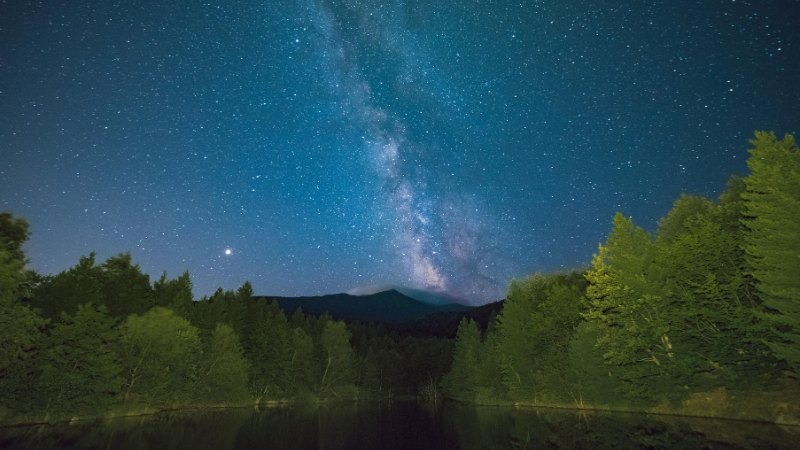
National parks across North America and Europe are increasingly establishing dark sky preserves that protect natural nighttime environments from encroaching urban light emissions. Research within these protected areas confirms that how light pollution affects animals can be substantially reversed when artificial light on wildlife is systematically reduced through thoughtful environmental planning.
Why Continued Research and Public Engagement Matter
Investigating how light pollution affects animals serves purposes extending far beyond academic interest alone. Nocturnal ecosystem disruption threatens essential ecological services including pollination by moths and bats, pest control by insectivorous species, and seed dispersal by nocturnal mammals that sustain entire forest ecosystems.
Citizen science initiatives have empowered communities to contribute valuable data on local artificial illumination impacts through smartphone based sky brightness measurements. These participatory programs simultaneously build public awareness and generate geographically diverse datasets that professional researchers cannot collect independently. Every individual who understands how light pollution affects animals becomes an advocate capable of influencing lighting practices within their community, workplace, and municipality toward more ecologically responsible choices that protect vulnerable wildlife for generations ahead.
Conclusion
The scientific evidence explored throughout this article leaves no room for doubt that how light pollution affects animals is among the most urgent yet overlooked environmental crises of our time. From disoriented sea turtle hatchlings on coastal beaches to exhausted migratory birds circling illuminated skyscrapers, artificial light on wildlife causes devastating consequences across every ecosystem on the planet.
Nocturnal ecosystem disruption, circadian rhythm interference in mammals, reproductive failure, and accelerating biodiversity loss in sensitive habitats all trace directly back to excessive urban light emissions that continue expanding yearly. The challenges are substantial, yet conservation success stories from dark sky preserves and turtle safe lighting ordinances prove that meaningful solutions already exist.
Understanding how light pollution affects animals empowers individuals, communities, and policymakers to take immediate action. Supporting responsible lighting practices, advocating for stronger environmental regulations, and participating in citizen science programs are practical steps everyone can embrace today. Protecting natural darkness ultimately means protecting how light pollution affects animals and preserving the delicate ecological balance that sustains all life on Earth.