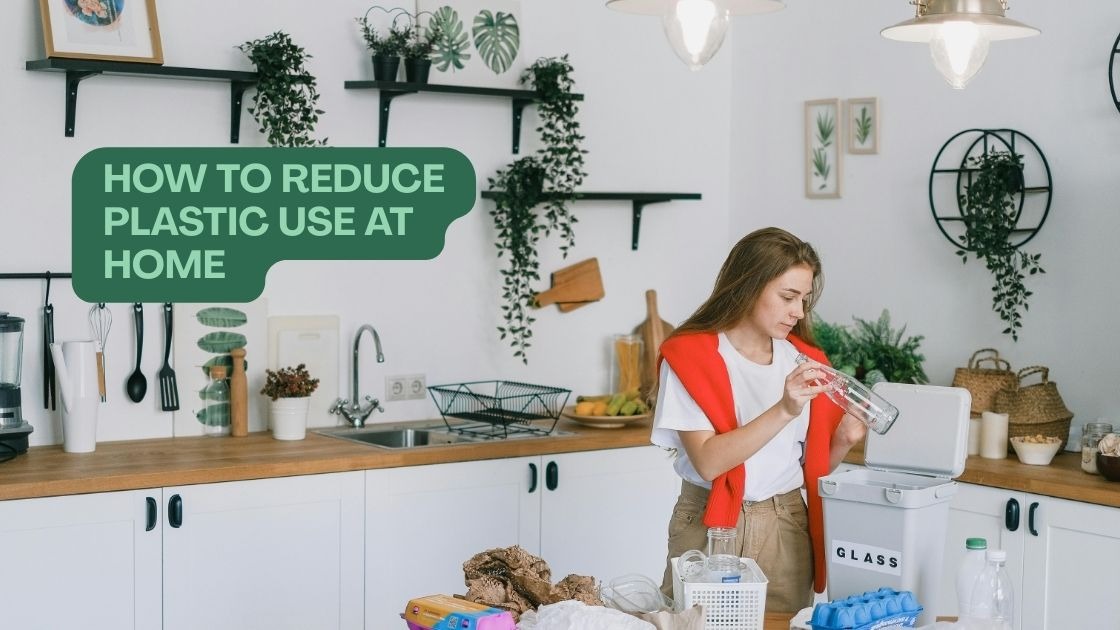
Every year, millions of tons of plastic waste end up in landfills and oceans, making it essential to learn how to reduce plastic use at home before the damage becomes irreversible. The truth is, most household plastic pollution starts with small daily choices we barely notice. From single-use grocery bags to disposable water bottles, our kitchens and bathrooms are filled with items that take hundreds of years to decompose. Leading environmental organizations like Greenpeace, WWF, and the Ellen MacArthur Foundation have been advocating for practical, everyday solutions that any family can adopt without major lifestyle sacrifices.
In this comprehensive guide, we will walk you through proven strategies recommended by these trusted green organizations to help you minimize plastic waste in your daily routine. You will discover sustainable alternatives for common plastic products, easy zero-waste swaps, eco-friendly packaging choices, and simple plastic-free living tips that actually work. Whether you are just starting your journey toward a greener household or looking to deepen your commitment to environmental conservation, this article offers actionable steps backed by credible research and real-world results.
By the end, you will have a clear roadmap on how to reduce plastic use at home while saving money and protecting the planet for future generations. Let us dive into what the experts recommend.
Understanding the Plastic Crisis and Why It Starts at Home
The global plastic crisis is no longer a distant environmental issue. It is happening right inside our homes. Studies show that an average household generates over 80 pounds of plastic waste annually, most of which never gets recycled. Understanding how to reduce plastic use at home begins with recognizing the scale of the problem and accepting that meaningful change starts with individual action. Green organizations worldwide agree that household plastic reduction is one of the most impactful steps anyone can take toward environmental conservation.
Plastic was originally designed for durability and convenience, but that same durability has become its biggest drawback. Items like food wrappers, toiletry bottles, and cleaning product containers pile up in our trash cans weekly. When we learn how to reduce plastic use at home, we directly contribute to lowering the 8 million tons of plastic that enter our oceans every year.
Key Reasons Why Reducing Plastic at Home Matters
Environmental Impact
Every single piece of plastic ever manufactured continues to exist in one form or another even today. Microplastics have been found in drinking water, soil, and even human blood. When families commit to learning how to reduce plastic use at home, they help slow down this contamination cycle. Organizations like the World Wildlife Fund emphasize that household level changes create a ripple effect that influences communities, manufacturers, and policymakers.
Health Benefits
Many plastic products contain harmful chemicals like BPA and phthalates that leach into food and beverages. By figuring out how to reduce plastic use at home, you also protect your family from potential health risks associated with long term plastic exposure. Switching to glass, stainless steel, or bamboo alternatives significantly reduces chemical contact in your daily routine.
Financial Savings
Contrary to popular belief, going plastic free can actually save money over time. Reusable products like cloth bags, metal straws, and refillable containers eliminate the need for repeated purchases. Learning how to reduce plastic use at home is not just an environmental decision but also a smart financial one.
Practical Steps on How to Reduce Plastic Use at Home
Step 1: Conduct a Home Plastic Audit
Before making any changes, walk through each room and identify where plastic dominates. Check your kitchen, bathroom, laundry area, and storage spaces. This audit gives you a clear picture of your biggest plastic consumption areas and helps you prioritize swaps that will have the most impact.
Step 2: Replace Single Use Items First
The easiest way to start learning how to reduce plastic use at home is by eliminating single use plastics. Green organizations recommend starting with these five high impact swaps:
- Replace plastic grocery bags with reusable cotton or jute tote bags that last for years.
- Switch from plastic water bottles to stainless steel or glass reusable bottles.
- Use beeswax wraps instead of plastic cling film for food storage and preservation.
- Choose bar soap and shampoo bars over liquid products in plastic bottles.
- Swap plastic straws for bamboo, metal, or silicone reusable straws at home.
Step 3: Rethink Your Kitchen Habits
The kitchen is typically the largest source of household plastic waste. Understanding how to reduce plastic use at home means rethinking how you store, cook, and shop for food. Buy fresh produce from farmers markets using your own bags, store leftovers in glass containers, and avoid pre packaged meals wrapped in layers of unnecessary plastic packaging.
Step 4: Transform Your Bathroom Routine
Bathrooms are often overlooked, but they are filled with plastic waste. From toothbrushes to lotion bottles, nearly everything comes in plastic. To effectively understand how to reduce plastic use at home, consider switching to bamboo toothbrushes, refillable soap dispensers, and menstrual cups or reusable cotton pads as sustainable hygiene alternatives.
What Leading Green Organizations Recommend
Organizations like Greenpeace, Plastic Pollution Coalition, and the Ellen MacArthur Foundation have published detailed frameworks for households looking to go plastic free. Their core recommendations on how to reduce plastic use at home consistently focus on five principles:
- Refuse unnecessary plastic items before they enter your home.
- Reduce the volume of plastic products you currently rely on daily.
- Reuse containers, bags, and packaging as many times as possible before discarding.
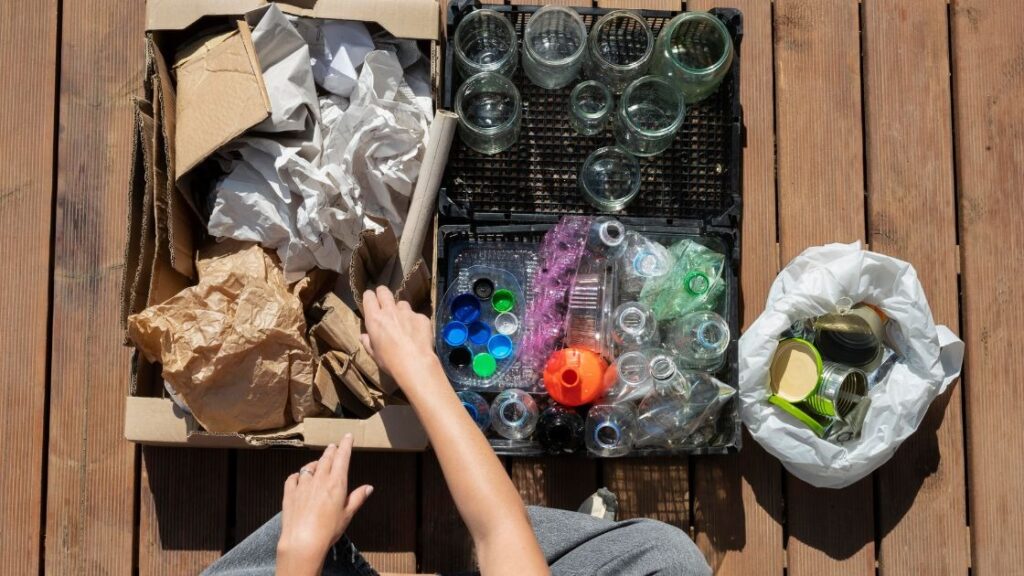
- Recycle responsibly by understanding your local recycling guidelines and sorting correctly.
- Rot organic waste through composting instead of using plastic trash bags for disposal.
These principles form the foundation of any serious effort to how to reduce plastic use at home and are designed to be adopted gradually rather than all at once.
Common Challenges and How to Overcome Them
Availability of Alternatives
One of the biggest challenges people face when learning how to reduce plastic use at home is finding affordable and accessible alternatives. Not every store carries eco friendly products. However, online zero waste stores and bulk shopping options have made sustainable living more achievable than ever before.
Family Resistance
Getting every family member on board can be difficult. The best approach is to start small and lead by example. When others see the benefits of your plastic free swaps, they are more likely to participate willingly.
Convenience Factor
Plastic is undeniably convenient, which is why breaking the habit takes conscious effort. Green organizations suggest setting small weekly goals rather than attempting a complete overhaul overnight. Gradual progress in understanding how to reduce plastic use at home is far more sustainable than drastic, unsustainable changes.
Tips for Long Term Success
Staying consistent is the key to making your plastic free journey permanent. Keep reusable bags in your car, set reminders to carry your water bottle, and follow social media accounts dedicated to sustainable living for daily motivation. Every time you successfully practice how to reduce plastic use at home, you reinforce a habit that benefits both your household and the environment. Track your progress monthly to stay motivated and celebrate small wins along the way.
Conclusion
Learning how to reduce plastic use at home is not about achieving perfection overnight but about making consistent, mindful choices that add up to meaningful change over time. Throughout this guide, we explored practical strategies backed by leading green organizations, from conducting a home plastic audit and making smart kitchen swaps to transforming bathroom routines and adopting sustainable cleaning practices. Each of these steps brings you closer to a cleaner, healthier, and more environmentally responsible household.
The reality is that every reusable bag, glass container, and bamboo toothbrush you choose over a plastic alternative makes a difference. When multiplied across millions of households, these small everyday decisions have the power to significantly reduce plastic pollution, protect marine ecosystems, and create a safer environment for future generations.
What makes this journey truly rewarding is that reducing plastic waste at home often leads to financial savings, better health outcomes, and a stronger sense of community as families and neighbors inspire one another to embrace eco friendly living. Organizations like Greenpeace, WWF, and the Plastic Pollution Coalition continue to provide valuable resources to support your zero waste transition at every stage.
There has never been a better moment to begin your journey toward a plastic free lifestyle. Start with one room, one swap, or one new habit, and build from there. Remember, the goal is progress over perfection, and every effort you make to reduce plastic use at home truly counts toward building a sustainable future for our planet.