The impact of textile waste is becoming an urgent concern as fast fashion continues to dominate the global market. Every year, millions of tons of clothing are discarded, contributing to environmental pollution and putting immense pressure on natural resources. Beyond harming ecosystems, textile waste also poses serious health risks due to chemical-laden fabrics and dyes leaching into soil and water.
This article explores how the fashion industry’s rapid production cycles accelerate waste, the consequences for both the planet and human well-being, and practical steps toward sustainable fashion. By understanding these effects, readers can make informed choices that reduce waste, protect the environment, and support healthier communities.
Understanding Textile Waste
Impact of Textile waste refers to discarded clothing, fabrics, and other materials produced by the fashion and textile industry. With the rise of fast fashion, more clothing items are produced at a faster rate, leading to a significant increase in waste. This type of waste is not only harmful to the environment but also affects human health.
History and Background of Textile Waste
Impact of Textile waste has grown dramatically over the past few decades. In the early 20th century, clothing was reused and repaired more frequently, but modern consumer habits have shifted toward disposable fashion. The growth of global manufacturing, cheap production costs, and frequent trend cycles have accelerated the problem, making textile waste a critical issue today.
Factors Contributing to Textile Waste
- Rapid production of fast fashion clothing
- Short garment lifespan due to changing trends
- Inefficient recycling processes
- Overconsumption by consumers
Understanding these factors helps highlight why textile waste is not just an environmental issue but also a societal challenge.
Environmental Impact of Textile Waste
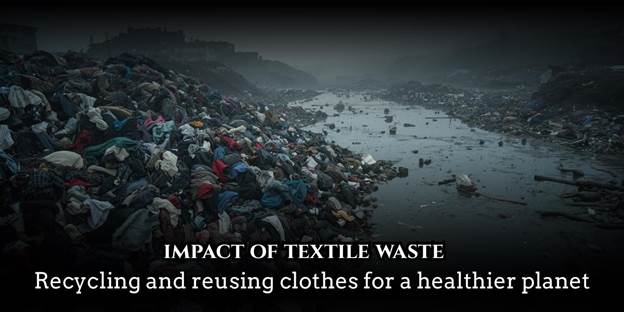
Impact of Textile waste significantly harms ecosystems worldwide. Improper disposal of fabrics leads to soil and water contamination, while synthetic fibers like polyester can take hundreds of years to decompose.
Pollution Caused by Textile Waste
- Chemicals and dyes used in fabrics seep into rivers, causing water pollution
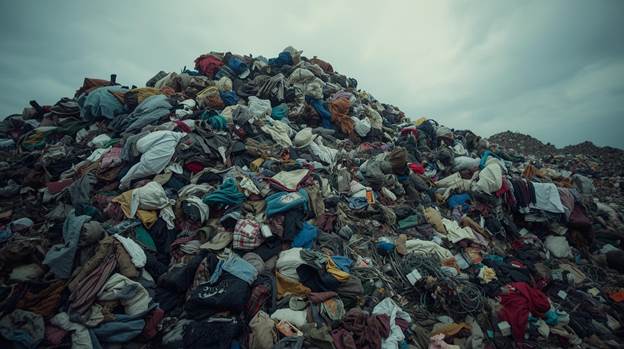
- Landfills filled with non-biodegradable clothing contribute to soil degradation
- Production processes consume excessive water and energy, increasing the carbon footprint
Effects on Wildlife
Animals often ingest or become entangled in discarded fabrics, which can lead to injury or death. Additionally, microplastics from synthetic clothing end up in oceans, affecting marine life and eventually human food chains.
Health Implications
Impact of Textile waste doesn’t only affect the environment; it poses several health risks.
Exposure to Toxic Chemicals
Impact of textiles waste contain harmful substances, such as formaldehyde and heavy metals, which can cause:
- Skin irritation and allergies
- Respiratory problems from inhaling chemical residues
- Long-term health concerns in communities near landfills
Risks for Workers
Impact of textile waste Workers in the textile recycling and disposal industry often face unsafe conditions, including exposure to dust, toxic chemicals, and infectious waste from discarded garments.
Economic and Social Importance
Managing textile waste effectively brings multiple benefits:
Environmental Benefits
- Reduces carbon emissions by lowering production needs
- Preserves natural resources like water and cotton
- Minimizes pollution of land and water bodies
Social and Economic Advantages
- Creates jobs in recycling and sustainable fashion initiatives
- Encourages responsible consumer habits
- Supports the growth of eco-friendly businesses
Challenges in Managing Textile Waste
Despite awareness, tackling textile waste faces significant challenges.
Recycling Limitations
- Many fabrics are blends, making them difficult to recycle
- Lack of infrastructure in developing countries
- High costs of proper recycling and disposal
Consumer Behavior
- Fast fashion encourages overconsumption
- Limited awareness of sustainable alternatives
- Preference for low-cost, short-lived garments
Solutions and Examples
Impact of textile waste in Several strategies have been implemented worldwide to manage textile waste effectively.
Sustainable Practices
- Clothing donation and resale – Extends the life of garments
- Textile recycling programs – Converts waste into new fabrics or insulation
- Eco-friendly production methods – Reduces chemical usage and resource consumption
Successful Initiatives
- H&M’s garment collection program encourages customers to recycle old clothes
- Patagonia’s Worn Wear promotes repairing and reusing clothing
- Local NGOs organize clothing swaps and recycling drives in urban communities
By adopting these measures, both industries and consumers can actively reduce the negative effects of textile waste.
Conclusion
The growing problem of impact of textile waste is one of the most pressing challenges facing the fashion industry and the environment today. Its consequences extend far beyond overflowing landfills, as discarded fabrics contribute significantly to pollution, soil degradation, and water contamination. Synthetic fibers, chemical dyes, and untreated fabrics not only damage ecosystems but also pose serious health risks to communities living near waste sites. Fast fashion, with its rapid production cycles and disposable clothing culture, has intensified these issues, making it clear that urgent action is needed.
Addressing textile waste is not solely the responsibility of governments or manufacturers. Consumers play a vital role in shaping sustainable practices by making conscious choices, such as purchasing high-quality, durable clothing, supporting sustainable fashion brands, and participating in clothing reuse or recycling programs. Small actions like donating old garments, repairing worn items, or buying second-hand clothes can collectively create a substantial positive impact.