For centuries, people across the globe have reported strange weather events that defy explanation. Among these mysterious phenomena, one of the most unusual is the concept of “blood rain.” Stories describe rain falling from the sky in shades of red, making it look like the heavens themselves are bleeding. Ancient texts, myths, and even modern eyewitness accounts have fueled the curiosity of scientists and the public alike. But the question remains: Is blood rain real?
This article explores the science, myths, and historical reports surrounding red-colored rain, helping you understand whether this phenomenon is fact, fiction, or a mix of both.
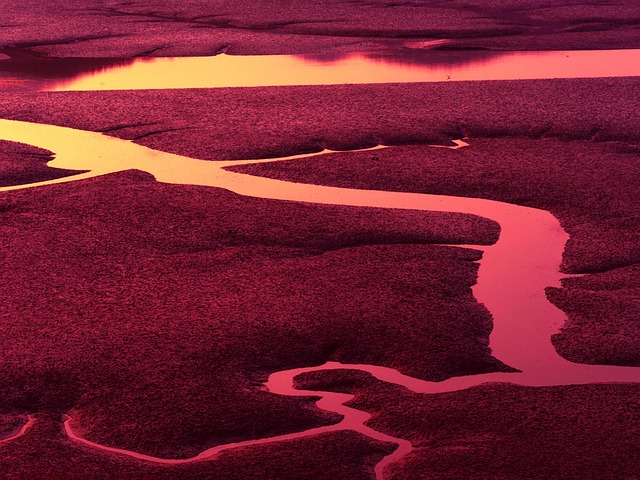
The Origins of Blood Rain Myths
In ancient times, when knowledge of weather and atmospheric science was limited, unusual natural events were often linked to divine punishment, omens, or supernatural forces. Reports of red rain date back thousands of years. Roman historians, for instance, recorded instances of “blood showers” as warnings of impending doom or war. Similarly, in India and Sri Lanka, people considered such rainfall a sign from the gods.
With such stories passed down over generations, it is no surprise that the question, is blood rain real, has fascinated humans for centuries.
What Does Blood Rain Look Like?
Blood rain does not actually look like thick, dripping blood falling from the sky. Instead, it usually appears as reddish or brown-tinted rain that stains clothing, walls, and soil. The color intensity can vary sometimes it is faint and barely noticeable, while at other times, the rainwater may look alarmingly red.
This odd appearance makes observers wonder, is blood rain real, or is it just an illusion caused by something mixing with regular rainwater?
The Science Behind Red-Colored Rain
Modern research shows that the answer lies not in mythology but in science. Red rain usually occurs when fine particles or spores mix with atmospheric moisture and fall back to the ground with rainfall. Depending on the source of these particles, the rain can take on shades of red, brown, yellow, or even black.
The most common scientific explanations include:
- Dust and Sandstorms: In regions close to deserts, such as the Sahara, fine red dust can travel across continents through strong winds. When these particles mix with rain clouds, they create red-colored rain. Europe, for instance, sometimes experiences reddish rainfall due to Saharan dust storms.
- Algae and Spores: In rare cases, microscopic life forms like algae spores can cause rain to appear red. The most famous incident occurred in Kerala, India, in 2001, when scientists discovered that red algae spores were responsible for weeks of unusual red rain.
- Pollution: Industrial activities can release iron-rich particles and pollutants into the atmosphere, which then color the rain when they return to Earth.
These findings provide strong scientific support to the question, is blood rain real the phenomenon exists, but its explanation is natural rather than supernatural.
The Kerala Red Rain Mystery
One of the most remarkable modern incidents of so-called blood rain took place in Kerala, India, between July and September 2001. During this unusual phenomenon, locals witnessed intense showers of red-tinted rain that left striking stains on rooftops, walls, and clothing, sparking widespread curiosity and scientific investigation.
Initial fears spread quickly, with rumors ranging from alien origins to divine punishment.
When researchers analyzed the rainwater, they found microscopic red cells that were later identified as algae spores. Some early scientists even speculated extraterrestrial involvement, suggesting that the spores came from space. However, later studies confirmed that the organisms were native to Earth.
This case shows why people continue to ask, is blood rain real, and how science helps separate fact from speculation.
Psychological and Cultural Impact
Even with scientific explanations, the idea of red rain continues to spark fear, awe, and fascination. To many, the sight of crimson-colored rainfall feels like a bad omen or an apocalyptic sign. Cultures often associate the color red with blood, war, or destruction, making the phenomenon seem more frightening than it actually is.
Yet, the scientific perspective answers the question: is blood rain real? Yes, it occurs, but it is not a supernatural event it is a natural interaction of dust, spores, or pollutants with rainfall.
Blood Rain in Modern Media
The phenomenon has also made its way into books, movies, and documentaries. Fictional works often exaggerate red rain as a symbol of danger or as part of horror themes. Documentaries, on the other hand, focus on real-world cases, providing scientific insights. This dual role of blood rain as both myth and science continues to keep the question alive: is blood rain real?
Climate Change and Future Occurrences
With climate change altering weather patterns, red-colored rain may become more common in some regions. Increased desertification, frequent dust storms, and higher levels of pollution could lead to more cases of unusual rainfall. This possibility makes understanding and studying the phenomenon even more important.
So, is blood rain real in the context of today’s changing climate? Absolutely. While rare, it may occur more often in the coming decades due to environmental changes.
Final Thoughts
After centuries of myths, religious interpretations, and scientific debates, we can confidently answer the question: is blood rain real? Yes, but not in the way ancient civilizations imagined. Instead of being a sign from the gods or a symbol of destruction, it is simply a fascinating natural phenomenon caused by dust, spores, or pollutants mixing with rainfall.
The next time you hear about red-colored rain, you’ll know it isn’t a supernatural omen—it’s science at work. Still, the mysterious look of crimson-stained rainwater ensures that people will continue to ask, is blood rain real, for generations to come.