Land for wildlife grant programs offer a vital opportunity for landowners and conservationists to protect and enhance natural habitats. These grants empower communities to support wildlife conservation efforts, restore degraded landscapes, and create safe spaces for native species. By understanding how such initiatives work, landowners can access funding to implement sustainable practices, promote biodiversity preservation, and foster ecological balance.
This article explores the purpose of land for wildlife grants, the types of projects they support, and practical steps to apply successfully. Whether you are a property owner seeking to enrich your land for native fauna or an environmental enthusiast eager to make an impact, this guide provides actionable insights to turn your conservation goals into reality.
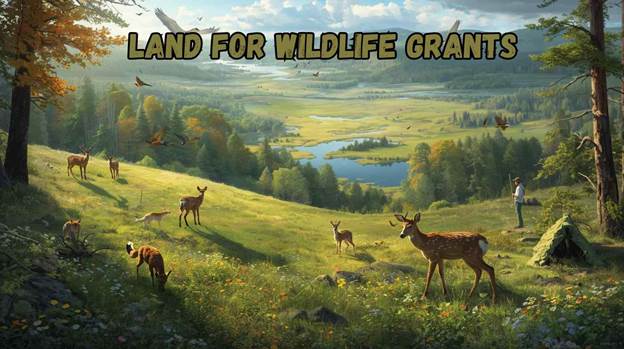
Understanding Wildlife: Definition and Scope
Wildlife refers to all living organisms that grow or live in natural habitats without human intervention. It includes mammals, birds, reptiles, amphibians, insects, and even plants that contribute to ecological balance. Protecting wildlife habitats ensures the survival of these species and maintains healthy ecosystems.
Background and History of Wildlife Conservation
Early Awareness and Indigenous Practices
Communities worldwide have long recognized the importance of preserving wildlife. Indigenous people practiced sustainable hunting, fishing, and land management to maintain harmony with nature.
Modern Conservation Movement
The formal movement for wildlife conservation began in the late 19th and early 20th centuries. Governments and environmental organizations introduced laws and protected areas to prevent species extinction. Today, initiatives like national parks, wildlife sanctuaries, and biodiversity programs play a critical role.
Importance of Wildlife
Wildlife is essential for ecological, economic, and cultural reasons.
Ecological Importance
-Maintains natural food chains and ecosystems
-Promotes biodiversity preservation
-Helps with pollination and seed dispersal
Economic Importance
-Wildlife tourism attracts millions globally
-Provides resources for research, medicine, and agriculture
-Contributes to sustainable development
Cultural and Recreational Importance
-Inspires art, literature, and traditions
-Offers opportunities for eco-tourism and nature-based activities
-Fosters environmental awareness among communities
Benefits of Wildlife Conservation
Conserving land for wildlife grant yields multiple benefits for humans and nature alike.
Environmental Benefits
-Preserves ecosystems and natural habitats
-Reduces soil erosion and maintains water cycles
-Controls pest populations naturally
Social Benefits
-Enhances community engagement in environmental stewardship
-Creates education opportunities on ecology and conservation
-Fosters a sense of connection with nature
Economic Benefits
-Generates income through eco-tourism
-Offers sustainable employment in conservation projects
-Encourages investment in protected areas
Challenges in Wildlife Conservation
Despite progress, wildlife faces numerous threats that require urgent attention.
Habitat Loss and Fragmentation
Urbanization, agriculture, and deforestation reduce natural habitats, leaving species vulnerable.
Poaching and Illegal Trade
The demand for exotic animals, fur, and medicinal plants endangers many species.
Climate Change
Shifts in temperature and weather patterns disrupt migration, breeding, and food availability.
Human-Wildlife Conflict
As humans encroach on forests, encounters with land for wildlife grant can lead to injuries, crop damage, or retaliation against animals.
Limited Awareness
Lack of knowledge about conservation practices reduces community participation and policy support.
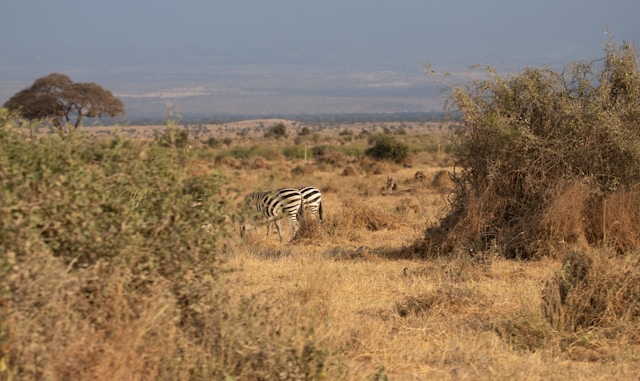
Strategies for Effective Wildlife Conservation
Protected Areas and Reserves
-Establish national parks, sanctuaries, and biosphere reserves
-Monitor species population and habitats
Community Participation
-Engage local communities in conservation programs
-Promote environmental education and awareness campaigns
Legislation and Policy
-Implement strict anti-poaching laws
-Support wildlife-friendly farming and urban planning
Research and Monitoring
-Use technology for species tracking and habitat analysis
-Conduct studies on biodiversity and ecological balance
Examples of Successful Wildlife Conservation
Project Tiger (India)
Launched in 1973, this project significantly increased tiger populations through habitat protection and anti-poaching measures.
African Elephant Protection Programs
Organizations work to prevent ivory poaching while promoting eco-tourism and community engagement.
Coral Reef and Marine Life Conservation
Efforts to protect marine biodiversity have improved coral reef health, benefiting both species and local communities dependent on fisheries.
Land for Wildlife Grants
Programs offering funding to landowners help restore native vegetation and create safe corridors for wildlife, demonstrating the effectiveness of private-public collaboration.
Conclusion:
Protecting land for wildlife grant is vital for maintaining ecological balance, supporting biodiversity, and enriching human life through cultural and economic benefits. By understanding the challenges such as habitat loss, climate change, and human-wildlife conflicts, we can take meaningful steps toward conservation. Initiatives like protected areas, community participation, and sustainable practices highlight how collective efforts make a real difference. Staying informed and actively supporting conservation projects ensures that future generations can enjoy a thriving natural world. Explore further ways to contribute and stay updated on the latest wildlife conservation strategies.