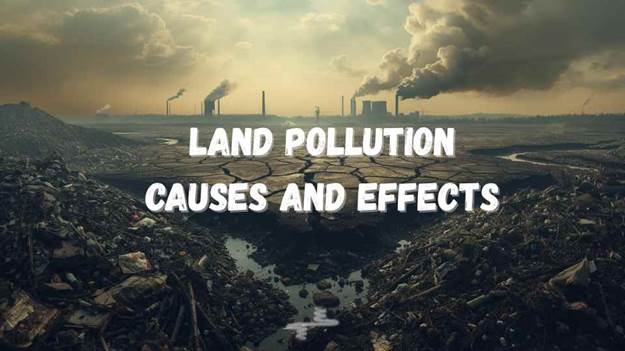
Land pollution causes and effects have become a growing concern as human actions increasingly disrupt the planet’s natural systems. From industrial waste to urban expansion, the reckless exploitation of land resources has pushed ecosystems to the brink.
This article explores how soil contamination, deforestation, and improper waste disposal contribute to the loss of fertile land and biodiversity. Understanding these factors helps us see the deep connection between human progress and environmental degradation. By addressing the root causes and consequences, we can take steps toward a more sustainable future where development coexists with ecological balance.
Understanding Land Pollution Causes and Effects with Environmental Insights
Land pollution causes and effects are among the most serious challenges threatening environmental sustainability today. It occurs when harmful substances whether chemical, biological, or solid waste contaminate the soil and degrade its quality. The rapid growth of industries, cities, and agriculture has intensified this issue, making it one of the major global environmental problems. To truly grasp how human activities have led to this crisis, it is vital to explore its definition, history, importance, and real-world examples.
Definition and Overview of Land Pollution
Land pollution refers to the destruction or degradation of the Earth’s land surface due to human and natural activities. This contamination results from dumping waste, deforestation, urban sprawl, and improper agricultural practices. Polluted soil loses its fertility, affecting plant growth and disrupting the balance of ecosystems.
Key contributors include:
• Industrial waste and chemical spills
• Non-biodegradable plastics and solid waste
• Deforestation and land clearing
• Improper agricultural practices and pesticide use
Over time, these pollutants accumulate, reducing the land’s ability to support life and causing long-term damage to both the environment and human health.
Historical Background of Land Pollution
The history of land pollution dates back to the Industrial Revolution, when large-scale manufacturing began producing vast amounts of waste. With urbanization and population growth, the demand for land increased, leading to more deforestation and waste dumping.
In earlier times, nature could absorb waste without major harm. However, the introduction of synthetic materials like plastics, pesticides, and chemicals changed everything. These substances do not decompose easily, causing permanent soil contamination. Over the decades, countries across the globe have struggled to manage solid waste, leading to polluted landscapes and degraded farmlands.
Major Causes of Land Pollution
1. Industrialization and Chemical Waste
Factories often release harmful chemicals, heavy metals, and toxic residues into the ground. Industries such as mining, textiles, and oil refining are major contributors. These pollutants seep into the soil, destroying microorganisms and reducing its productivity.
2. Agricultural Practices
The excessive use of fertilizers, pesticides, and herbicides leads to soil pollution. When farmers depend on chemical-based farming, residues remain in the soil, affecting both crops and groundwater.
3. Urbanization and Construction
Growing cities require more land for housing, roads, and infrastructure. This expansion leads to deforestation and land degradation. The removal of vegetation also increases soil erosion and pollution from construction debris.
4. Waste Disposal and Landfills
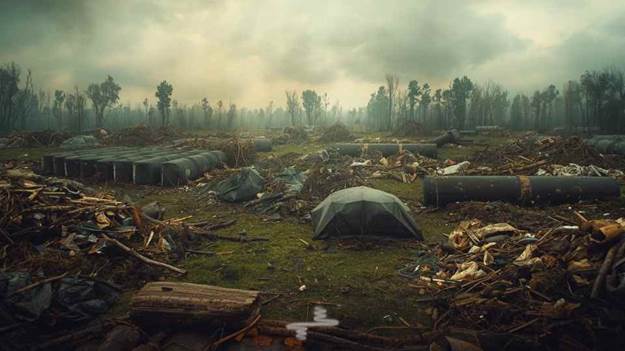
Improper waste management is one of the biggest causes of land pollution. Landfills overflow with non-biodegradable materials like plastics, metals, and glass. Toxic substances from these sites leach into the soil and water, spreading contamination over large areas.
Effects of Land Pollution on Environment and Health
The effects of land pollution are far-reaching, impacting soil health, ecosystems, and human wellbeing.
Environmental Effects:
• Reduced soil fertility and agricultural productivity
• Loss of forest cover and biodiversity
• Water contamination due to leaching of chemicals
• Disruption of natural ecosystems and wildlife habitats
Human Health Effects:
• Exposure to toxic chemicals through contaminated food or water
• Respiratory issues from dust and waste burning
• Skin diseases and allergic reactions
• Increased risk of cancer due to chemical exposure
Importance of Addressing Land Pollution
Preserving the Earth’s land resources is essential for maintaining a healthy environment. Clean soil ensures food security, supports biodiversity, and prevents climate-related disasters. By reducing land pollution causes and effects, we promote sustainable development and protect future generations.
Key benefits of pollution control include:
• Improved soil quality for agriculture
• Safer living environments for humans and animals
• Better groundwater protection
• Restoration of natural habitats
Challenges in Managing Land Pollution
Despite growing awareness, several obstacles hinder effective control of land pollution:
- Lack of waste management systems in developing countries
- Insufficient environmental policies and enforcement
- Public ignorance about waste segregation and recycling
- Rapid industrial growth without eco-friendly practices
These challenges highlight the need for stronger regulations, technological solutions, and global cooperation.
Examples of Land Pollution Around the World
1. The Great Pacific Garbage Patch – Though mainly marine waste, much of it originates from improperly managed landfills.
2. E-waste dumps in Ghana and India – Electronic waste releases heavy metals into the soil, making it toxic.
3. Oil spills in Nigeria’s Niger Delta – Soil and water contamination from oil extraction has destroyed farmlands.
Such examples demonstrate how local negligence creates global consequences.
Solutions and Preventive Measures
Addressing land pollution causes and effects requires a collective effort. Governments, industries, and individuals must act together to restore balance.
Practical steps include:
• Promoting recycling and waste segregation
• Using biodegradable materials
• Implementing organic farming techniques
• Reforesting degraded areas
• Enforcing strict environmental regulations
By following these measures, we can significantly reduce land degradation and protect Earth’s natural ecosystems.
Conclusion:
In conclusion, land pollution causes and effects highlight the urgent need to protect our environment from human-induced damage. The contamination of soil through waste management issues, deforestation, and industrial waste threatens both nature and human health. To secure a sustainable future, we must adopt eco-friendly habits, support recycling, and encourage responsible land use. By learning more and taking collective action, we can restore Earth’s natural balance and create a cleaner, healthier planet for generations to come.