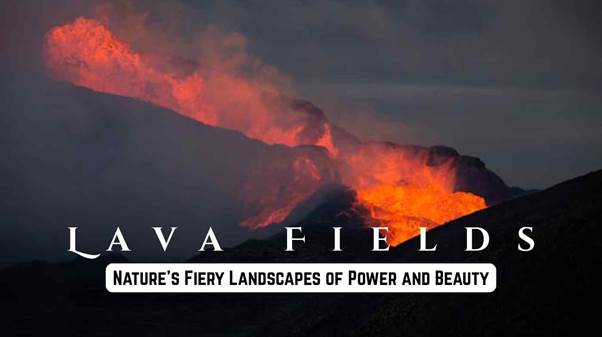
Lava fields are some of the most fascinating natural landscapes on Earth, formed when molten lava cools and solidifies after a volcanic eruption. These vast stretches of hardened rock not only tell the story of our planet’s fiery geological past but also support unique ecosystems and attract curious travelers from around the world. From rugged black rock plains in Iceland to lush areas where vegetation slowly reclaims the land, lava fields offer a striking blend of destruction and rebirth.
Table of Contents
In this article, we will explore what lava fields are, their geological significance, the ecosystems they support, their role in human culture, and the challenges they present. Along the way, we will also highlight famous lava fields around the globe, showcasing how these dramatic terrains continue to inspire awe, scientific research, and sustainable tourism.
Definition and Formation of Lava Fields
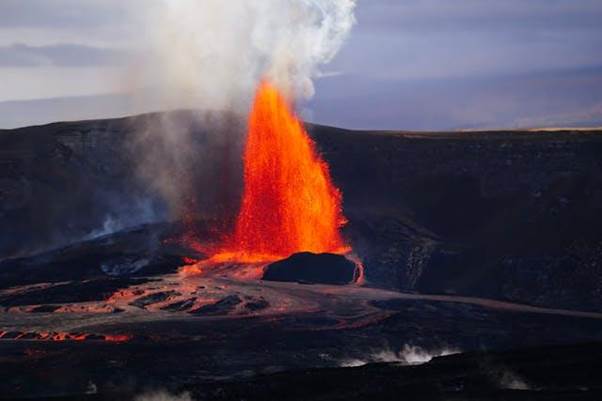
Lava fields are large expanses of solidified lava that result from repeated volcanic eruptions over time. When molten rock emerges from a volcano, it spreads across the land before cooling into basalt or other volcanic rock.
There are two main types:
- Pāhoehoe lava fields with smooth, ropy textures.
- ʻAʻā lava fields with jagged, rough, and fragmented surfaces.
These fields may extend for miles, creating alien-like landscapes that remain prominent for centuries. Over time, weathering and erosion slowly break down the surface, allowing life to gradually return.
Historical and Geological Significance of Lava Fields
Lava fields provide vital insight into Earth’s geological processes. By studying them, scientists understand volcanic activity, plate tectonics, and the evolution of landmasses.
- Iceland’s Eldhraun Lava Field was formed by one of the largest volcanic eruptions in recorded history in 1783.
- The Snake River Plain in Idaho showcases layers of ancient eruptions stretching thousands of years.
These formations serve as natural laboratories for geologists, offering evidence of how volcanoes shape continents and influence global climate patterns.
Ecological Importance of Lava Fields
Although harsh and seemingly barren, lava fields are home to resilient life forms.
- Pioneer species like lichens and mosses colonize the hardened rock first.
- Over centuries, soil forms, supporting grasses, shrubs, and eventually trees.
- Unique animals such as insects, reptiles, and birds adapt to these unusual habitats.
In places like Hawaii, lava fields provide nesting grounds for endangered birds, while in Iceland, wildflowers bloom across moss-covered lava rock, creating picturesque scenery.
Benefits of Lava Fields to Humans
Lava fields offer several surprising benefits beyond their natural beauty:
- Tourism: Countries like Iceland, Hawaii, and the Canary Islands attract millions of visitors who explore lava caves and trails.
- Cultural heritage: Many indigenous communities view lava fields as sacred or spiritually significant.
- Scientific study: These landscapes are ideal for studying planetary geology, even serving as analogs for Mars exploration.
- Renewable energy: Geothermal energy harnessed from volcanic areas provides clean, sustainable power.
Challenges and Risks of Lava Fields
While stunning, lava fields also pose risks and challenges:
- Inhospitable terrain: Their jagged and sharp rocks make them difficult to cross.
- Slow recovery: Ecosystem restoration can take hundreds of years.
- Volcanic hazards: Fields located near active volcanoes remain vulnerable to new eruptions.
- Urban expansion conflicts: In some regions, development pressures threaten lava landscapes.
Balancing conservation and human activity is critical to protect these unique terrains.
Famous Examples of Lava Fields Worldwide
Several lava fields stand out as iconic global landmarks:
- Eldhraun, Iceland – Moss-covered, breathtaking, and linked to one of Earth’s largest eruptions.
- Hawai’i Volcanoes National Park – Home to fresh lava flows and volcanic craters.
- La Geria, Canary Islands – A lava field adapted for vineyards, showing human resilience.
- Craters of the Moon, Idaho – A surreal American lava field resembling lunar landscapes.
These examples highlight how lava fields can be destructive yet awe-inspiring, providing cultural, scientific, and touristic value.
Conservation of Lava Fields
Preserving lava fields is essential to safeguard biodiversity, heritage, and natural beauty. Efforts include:
- Establishing national parks and protected areas.
- Educating travelers on respecting delicate moss and rock formations.
- Promoting eco-tourism to balance preservation with exploration.
- Encouraging scientific research to understand their ecological recovery.
By protecting lava fields, we ensure future generations can witness these powerful natural wonders.
Conclusion
Lava fields are living reminders of Earth’s volcanic power, symbolizing both destruction and renewal. From their geological significance to their ecological resilience, they continue to inspire scientists, travelers, and local communities. While they pose certain challenges, their benefits to research, tourism, and renewable energy cannot be ignored. Preserving these striking landscapes is crucial to maintaining their ecological and cultural value. As we continue to study and admire them, lava fields remind us of the ever-changing and resilient nature of our planet. Explore further and discover how these fiery terrains shape our world.