Understanding lead in soil remediation cost helps property owners and communities make informed decisions about restoring polluted land. Lead contamination in soil is a growing concern that threatens both environmental safety and public health.
This article explores how remediation methods, soil testing, and cleanup techniques influence overall expenses. It also discusses affordable and sustainable solutions that ensure effective land restoration without overwhelming budgets. By comparing professional remediation options and DIY approaches, readers will gain insight into cost-effective strategies for reducing lead hazards. Whether you’re managing a residential property or an industrial site, knowing the right soil cleanup and contaminated land management practices is essential for achieving a safer and healthier environment.
What is Lead in Soil Remediation?
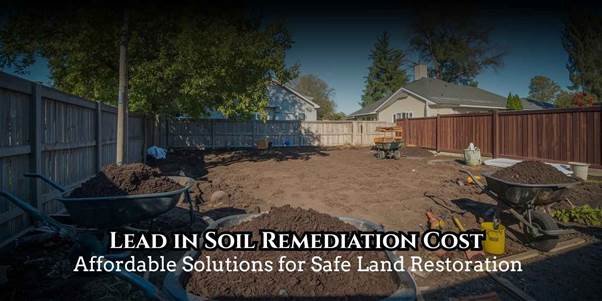
Lead in soil remediation refers to the process of removing or reducing lead contamination from soil to make it safe for human use and environmental health. This contamination often results from industrial emissions, old paint residues, mining activities, and the use of leaded gasoline. When lead accumulates in soil, it poses serious health risks, especially to children and plants, making remediation an essential step for community safety and sustainable development.
Historical Background of Lead Contamination
Lead has been used for centuries in industries such as plumbing, battery production, and construction. However, the widespread use of lead-based paints and fuels in the 20th century led to severe soil pollution. Over time, as awareness of lead toxicity grew, governments and environmental agencies introduced strict regulations to control contamination. Programs promoting soil restoration, land rehabilitation, and safe waste disposal have since become central to environmental protection efforts.
Why Lead Remediation is Important
Lead does not break down naturally, which means once it enters the soil, it remains for decades. This persistent contamination can impact agriculture, groundwater quality, and human health.
The importance of remediation lies in:
• Preventing lead poisoning in humans and animals
• Restoring land for agricultural and residential use
• Enhancing property value and environmental safety
• Complying with health and safety standards set by environmental authorities
Properly addressing lead in soil remediation cost ensures that cleanup efforts are both effective and economically feasible, encouraging more landowners to take necessary action.
Factors Affecting Lead in Soil Remediation Cost
The overall cost of lead soil remediation can vary significantly depending on multiple factors:
- Extent of Contamination: Heavily contaminated areas require deeper excavation and specialized treatment.
- Remediation Method Used: Techniques such as soil washing, stabilization, or phytoremediation differ in price and efficiency.
- Location and Soil Type: Urban areas and clay-rich soils often demand more complex cleanup methods.
- Testing and Monitoring Requirements: Regular soil sampling and laboratory testing increase total expenses.
- Regulatory Standards: Compliance with local environmental laws may add administrative and disposal costs.
Understanding these elements allows homeowners and project managers to plan for realistic remediation budgets.
Common Methods of Lead Soil Remediation
There are several approaches to manage and reduce lead in soil, each with its own cost implications:
1. Excavation and Replacement
This traditional method involves removing contaminated soil and replacing it with clean topsoil. It is fast and reliable but often expensive due to transportation and disposal fees.
2. Soil Stabilization
By adding chemical agents like phosphates or lime, lead in the soil can be bound into less toxic forms. This method is cost-effective and widely used for moderate contamination levels.
3. Phytoremediation
Plants such as Indian mustard and sunflowers are known for their ability to absorb heavy metals. This eco-friendly technique reduces lead gradually over time and is an excellent choice for low-risk areas.
4. Soil Washing
This process separates contaminated particles using water or chemical solutions. Although effective, it can be costly and requires specialized equipment.
5. Encapsulation
Covering the contaminated soil with clean layers prevents direct contact and reduces lead exposure. It’s a quick, affordable, and temporary solution used in less severe cases.
Benefits of Effective Lead Remediation
Proper remediation offers multiple advantages that go beyond environmental safety:
• Creates safer living spaces for families and communities
• Reduces risks of lead poisoning in children and pets
• Improves soil fertility and plant growth
• Restores property usability and increases market value
• Promotes sustainable land management and long-term ecological balance
By investing wisely in lead in soil remediation cost, property owners contribute to cleaner surroundings and a healthier ecosystem.
Challenges in Managing Lead-Contaminated Soil
Despite technological advancements, several challenges persist:
• High costs associated with large-scale remediation projects
• Limited awareness among property owners about contamination risks
• Difficulty in disposing of toxic waste safely
• Long timelines for natural methods like phytoremediation
• Strict environmental regulations that can delay cleanup efforts
Overcoming these barriers requires collaboration between environmental experts, local governments, and communities.
Cost-Effective and Sustainable Solutions
While complete soil replacement can be costly, several affordable strategies can make remediation more accessible:
• Combining low-cost techniques such as phytoremediation with partial soil replacement
• Using locally available clean soil or compost for dilution
• Partnering with environmental programs offering financial aid
• Conducting regular soil testing to monitor gradual improvements
Adopting sustainable practices not only reduces lead in soil remediation cost but also supports long-term land recovery.
Real-World Examples
• Urban Gardens: Many city-based community gardens have successfully used phytoremediation to reduce lead content over several years.
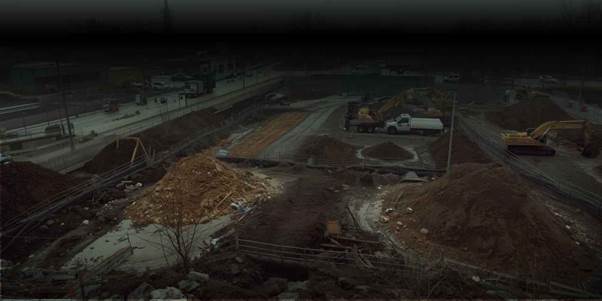
• Industrial Sites: Old factory grounds are now being restored through soil washing and stabilization, making them suitable for redevelopment.
• Residential Properties: Homeowners often use simple encapsulation techniques to prevent direct exposure while saving on cleanup costs.
Conclusion
Understanding lead in soil remediation cost is essential for creating safer environments and promoting sustainable land use. By exploring different remediation methods, evaluating cost factors, and choosing affordable solutions, property owners can effectively restore contaminated sites. Whether through professional cleanup or eco-friendly options like phytoremediation, every effort contributes to healthier communities and long-term soil recovery. To make informed decisions and manage lead in soil remediation cost efficiently, continue to learn more about modern remediation techniques and stay updated on environmental safety practices.