The distinction between magma vs lava might seem subtle, but it reveals how volcanic activity shapes our planet. Deep beneath the Earth’s surface lies a world of molten rock, heat, and pressure that fuels some of nature’s most dramatic events. Magma remains trapped beneath the crust, while lava emerges during eruptions, forming new land and transforming landscapes.
Table of Contents
This article explores their composition, formation, and behavior, shedding light on volcanic eruptions, igneous rocks, and the geological processes that continuously reshape the Earth’s surface.
Understanding Magma vs Lava
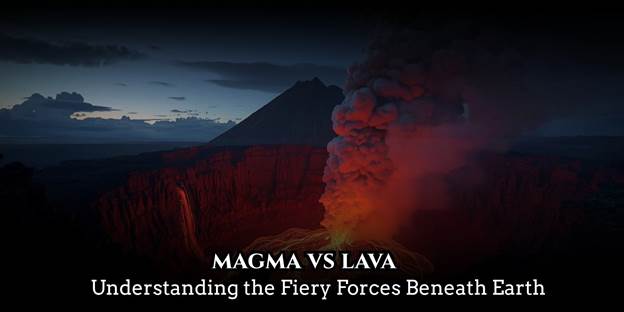
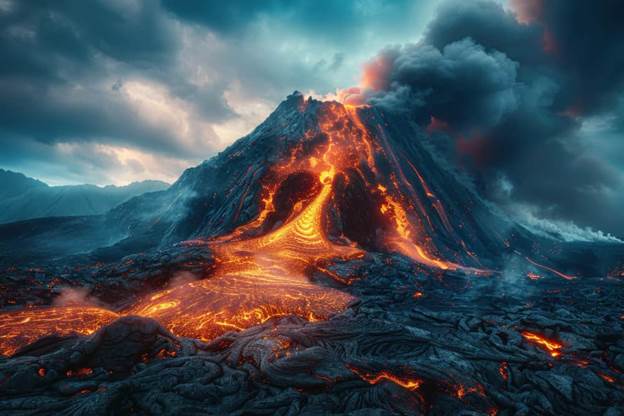
To understand magma vs lava, it’s essential to know their origins. Magma is molten rock located beneath the Earth’s crust, formed by intense heat and pressure that melts solid rock in the mantle. Lava, on the other hand, is magma that reaches the surface through volcanic vents or fissures during an eruption. Once it cools and solidifies, it creates new rock formations such as basalt or obsidian. Both play a key role in the geological cycle, shaping continents, islands, and mountain ranges.
The Formation Process
The journey from magma to lava begins deep underground. When the Earth’s mantle experiences high temperatures and pressure changes, rocks start to melt, forming magma chambers. This molten material contains gases like carbon dioxide, water vapor, and sulfur dioxide. As magma rises due to lower density, it may either cool slowly beneath the surface or erupt explosively as lava.
Several factors influence this process:
- Temperature and pressure determine whether rocks melt or remain solid.
- Chemical composition affects viscosity, which controls how easily magma moves.
- Tectonic activity especially near plate boundaries creates pathways for magma to rise.
Types of Magma and Lava
There are different types of magma, each leading to distinct lava formations and eruption styles:
- Basaltic magma is low in silica and flows easily, forming broad shield volcanoes.
- Andesitic magma has medium viscosity, producing moderate eruptions.
- Rhyolitic magma is rich in silica and gas, leading to explosive volcanic activity.
When magma reaches the surface, it transforms into different lava types:
- Pahoehoe lava has a smooth, rope-like surface.
- A’a lava is rough and jagged.
- Pillow lava forms underwater, creating rounded shapes as it cools quickly.
Magma and Lava in the Rock Cycle
Both magma and lava are crucial in the igneous rock formation process. Magma that cools slowly underground forms intrusive rocks like granite, while lava that solidifies quickly on the surface forms extrusive rocks such as basalt. Over millions of years, these rocks weather, erode, and transform, completing the geological rock cycle that recycles Earth’s materials.
Historical and Scientific Insights
Ancient civilizations observed volcanic eruptions with awe and fear, often associating them with divine forces. However, modern geology has unveiled the scientific basis behind these fiery events. Studies of magma vs lava gained momentum in the 19th century with the development of volcanology and seismic monitoring. Scientists now use satellite imaging, thermal sensors, and seismic data to track magma movements before eruptions.
Notable examples include:
- The Mount Vesuvius eruption (79 AD), where lava buried Pompeii.
- The Mount St. Helens eruption (1980), which revealed magma’s destructive power.
- The Hawaiian volcanoes, showcasing gentle lava flows that expand the islands.
Importance in Earth’s Evolution
The interaction of magma and lava has shaped much of Earth’s surface. Volcanic activity creates fertile soils rich in minerals, sustains geothermal energy sources, and contributes to atmospheric gases. Some of the world’s most productive agricultural lands like those near Mount Etna owe their fertility to volcanic ash deposits.
Key contributions include:
- Land formation through continuous lava deposition.
- Mineral enrichment in volcanic soils.
- Geothermal power generation from subsurface magma heat.
Challenges and Hazards
Despite its benefits, volcanic activity also presents risks. Understanding the behavior of magma vs lava helps scientists predict eruptions and minimize damage. The main challenges include:
- Unpredictable eruptions that endanger nearby populations.
- Lava flows that destroy infrastructure and agriculture.
- Ash clouds and gas emissions that affect air quality and climate.
Modern monitoring systems rely on technologies such as satellite imaging, ground deformation sensors, and gas analyzers to detect magma movement. However, predicting exact eruption times remains complex due to underground variations.
Real-World Examples
Some remarkable global examples of volcanic formations caused by magma and lava include:
- Iceland, where tectonic plates diverge, allowing magma to create new crust.
- The Pacific Ring of Fire, known for frequent eruptions and seismic activity.
- The Hawaiian Islands, continuously expanding through lava outpourings.
Future of Volcanic Studies
With advances in volcanology, scientists are now exploring magma chambers using 3D imaging and AI models to understand eruption patterns. These technologies improve safety and deepen knowledge of how Earth’s internal processes sustain planetary balance. Understanding magma vs lava not only explains Earth’s past but also prepares us for future challenges posed by active volcanoes.
Key Takeaways
- Magma forms beneath the surface; lava emerges during eruptions.
- Both are central to the rock cycle and land formation.
- Technological progress aids in eruption prediction and disaster management.
- Volcanic regions, though hazardous, sustain life and natural beauty.
The continuous interaction between magma and lava remains a reminder of Earth’s dynamic energy constantly creating, transforming, and renewing the planet we call home.
Conclusion
Understanding the difference between magma vs lava reveals how Earth’s inner heat shapes the world above. These powerful forces not only build landforms but also nurture life through fertile soils and geothermal energy. From ancient eruptions to modern research, the study of magma and lava continues to unlock secrets about our planet’s evolution. Staying informed about volcanic processes helps communities prepare for natural events and appreciate Earth’s dynamic beauty. To explore more about volcanic activity and its global impact, continue learning from the latest geological studies.