Meteor showers are among the most mesmerizing astronomical phenomena visible from Earth. These events occur when streams of debris from comets or asteroids enter Earth’s atmosphere, burning up and producing brilliant streaks of light across the night sky. Observing meteor showers offers a combination of awe-inspiring beauty, scientific insights, and cultural significance.
What Are Meteor Showers?
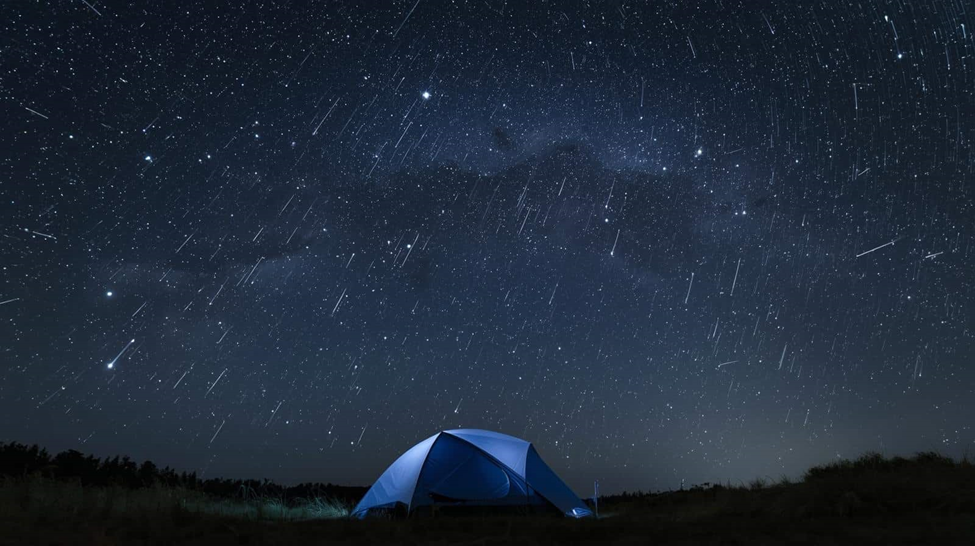
A meteor shower happens when Earth travels through a path of debris that a comet or asteroid has left in space. These particles, often no larger than grains of sand, travel at extremely high speeds. As they collide with the atmosphere, friction causes them to ignite, creating luminous trails known as meteors or shooting stars. While individual meteors appear for only a few seconds, meteor showers can last for several days or even weeks, depending on the density of the debris stream.
Famous Meteor Showers Around the World
Some of the most widely observed meteor showers include the Perseids and the Geminids. The Perseids, peaking in mid-August, are known for their high meteor counts, sometimes reaching up to 100 meteors per hour. The Geminids, which occur in December, are celebrated for their brightness and consistency. These meteor showers attract both amateur stargazers and professional astronomers, making them highly anticipated annual events.
Scientific Significance of Meteor Showers
Meteor showers provide valuable data for scientists studying the solar system. By analyzing the speed, trajectory, and composition of meteors, researchers can learn about comets, asteroids, and the early formation of our solar system. Additionally, meteor showers contribute to planetary defense research, helping scientists monitor potential meteoroid threats to Earth. Observations from meteor showers also support studies on atmospheric entry processes and space debris behavior.
Best Practices for Observing Meteor Showers
Timing, location, and preparation are crucial for a successful meteor shower viewing experience. The ideal viewing time is typically after midnight, when the sky is at its darkest and the radiant the spot where meteors seem to emerge is at its peak. Avoiding areas with heavy light pollution ensures maximum visibility. Clear, cloudless skies are also essential for appreciating the full splendor of meteor showers.
Tips to Enhance Your Meteor Shower Experience
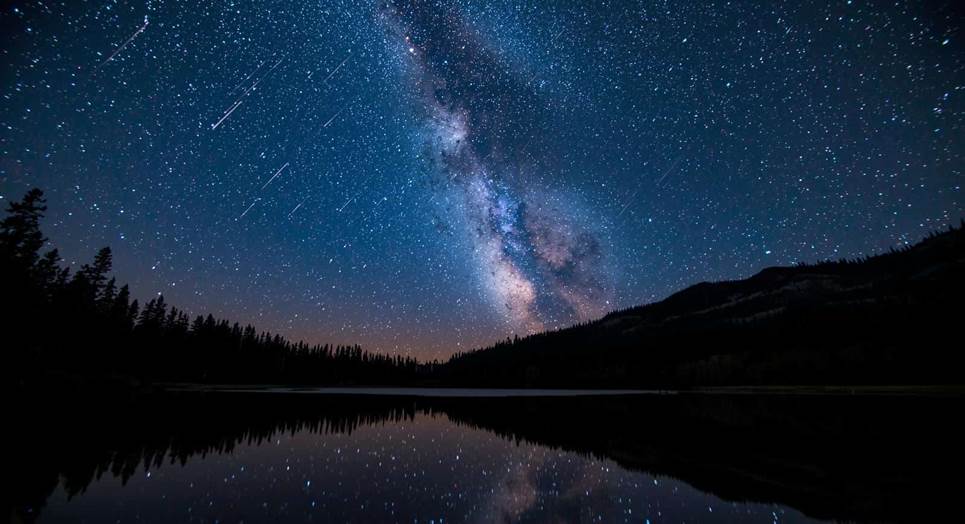
Preparation can make observing meteor showers more enjoyable. Comfortable seating, warm clothing, and snacks can help during extended viewing sessions. Astronomy clubs often organize events with telescopes and expert guidance, making meteor showers accessible to beginners. Photographers also capture meteor showers with long-exposure photography, producing stunning images of meteors streaking across the sky.
Cultural and Historical Importance
Meteor showers have long fascinated humans and hold cultural and historical significance. In ancient times, shooting stars were often interpreted as symbols or messages from the divine. Even today, meteor showers inspire creativity, storytelling, and reflection. People continue the tradition of making wishes upon shooting stars, connecting humanity to the cosmos in a personal and meaningful way.
Predictability and Planning
One remarkable feature of meteor showers is their predictability. Astronomers can forecast peak viewing times and expected meteor activity based on Earth’s orbit and debris stream locations. This allows enthusiasts to plan observations in advance. Modern technology, including astronomy apps and websites, provides real-time updates and guidance, making meteor showers accessible and easy to track.
Safety Considerations
Although meteors themselves pose no danger, safety is important when observing meteor showers. Choose secure viewing locations away from cliffs, rough terrain, or wildlife. Using red flashlights preserves night vision while allowing safe movement in dark conditions. With proper preparation, everyone can enjoy a safe and memorable meteor shower experience.
Educational Opportunities
Meteor showers offer excellent educational experiences for students and astronomy enthusiasts. Schools and science programs often organize meteor shower observations to teach about space, physics, and Earth’s position in the solar system. Observing meteor showers firsthand can spark curiosity, encourage scientific thinking, and foster a lifelong interest in astronomy.
Conclusion: The Wonder of Meteor Showers
Meteor showers are extraordinary celestial events that combine beauty, science, and cultural significance. They provide an opportunity for anyone to connect with the universe, deepen understanding of our solar system, and witness the fleeting brilliance of meteors. By understanding the science behind meteor showers, preparing adequately for observation, and appreciating their cultural and educational value, observers can enjoy an unforgettable experience. Whether for casual stargazing, scientific study, or educational purposes, meteor showers remain one of the most spectacular events the night sky offers.