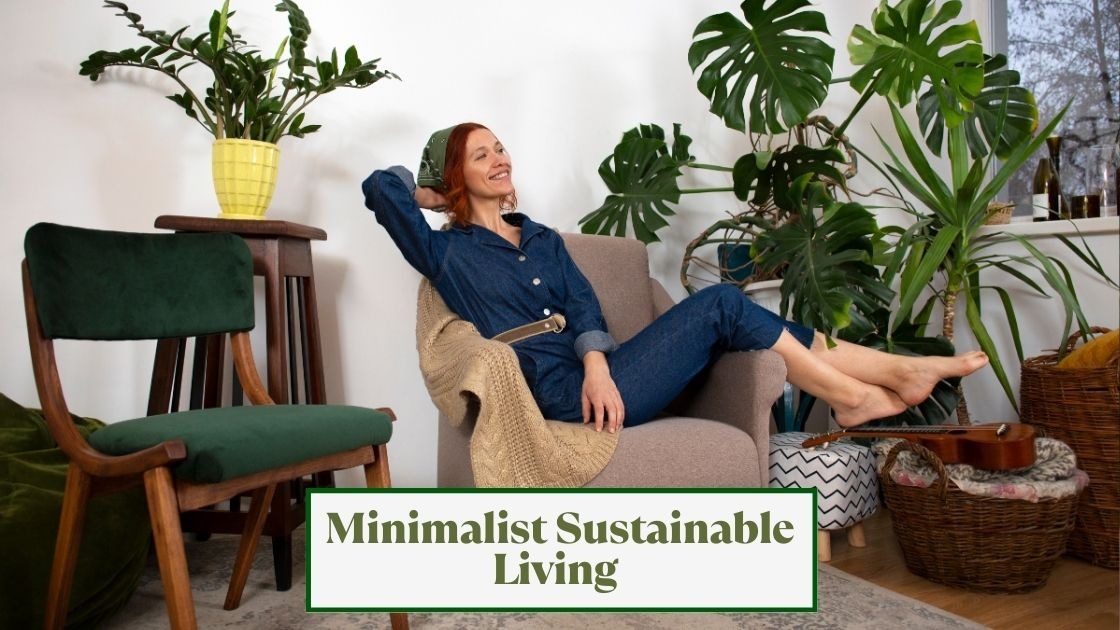
The concept of minimalist sustainable living is undeniably attractive owning less, wasting nothing, and focusing on what genuinely matters yet taking that first step often feels like navigating a dense forest without a map. You’re not alone if the thought of decluttering your entire home, overhauling your shopping habits, and rethinking your daily routines all at once feels completely exhausting.
Here’s the truth most people won’t tell you: transitioning to a simpler, eco-friendly lifestyle doesn’t require a dramatic overnight transformation. In fact, the most successful transitions happen gradually, one intentional decision at a time. Whether it’s adopting mindful consumption habits, embracing a zero-waste approach in your kitchen, or simply learning to let go of things that no longer serve you, small steps create lasting change.
The problem is that social media and popular culture often paint an unrealistic picture of what this journey looks like. Perfectly curated homes with five belongings and a single houseplant set impossible standards. Real life is messier, and that’s perfectly fine. What matters is progress, not perfection.
In this comprehensive guide, we’ll walk you through practical, expert-backed tips that make minimalist sustainable living genuinely achievable even if you’re a complete beginner. You’ll discover how to start decluttering without anxiety, build sustainable habits that stick, practice conscious consumption without sacrificing comfort, and create an intentional living space that reflects your values.
By the end of this article, you’ll have a clear, step-by-step roadmap that removes the overwhelm and replaces it with confidence. Because the path to a simple and green lifestyle doesn’t have to be stressful it should feel like a breath of fresh air.
What Is Minimalist Sustainable Living and Why Does It Matter?
At its core, minimalist sustainable living is the practice of simplifying your life by reducing unnecessary possessions, waste, and consumption while making environmentally responsible choices. It combines two powerful philosophies: minimalism, which focuses on owning less and living intentionally, and sustainability, which prioritizes protecting natural resources for future generations.
This lifestyle has gained significant momentum over the past decade as more people recognize the environmental damage caused by overconsumption. Fast fashion, single use plastics, and impulse buying contribute to overflowing landfills and rising carbon emissions. Minimalist sustainable living offers a meaningful alternative by encouraging people to buy less, choose better, and live with greater purpose.
The beauty of this approach is that it benefits both you and the planet. You save money, reduce stress, and gain mental clarity while simultaneously lowering your ecological footprint. It’s not about deprivation; it’s about making room for what genuinely adds value to your everyday life.
The Growing Importance of Living Simply and Sustainably
Why More People Are Embracing This Shift
The modern world overwhelms us with choices, advertisements, and pressure to accumulate more. Research shows that the average American home contains over 300,000 items, and most of those things go unused for months or even years. This excess doesn’t just clutter our homes; it clutters our minds.
Minimalist sustainable living addresses this problem by encouraging a conscious relationship with the things we own and the resources we consume. As climate change concerns intensify, this lifestyle is no longer just a personal preference. It has become a responsible way to contribute to global environmental efforts. Choosing a low waste lifestyle, supporting ethical brands, and reducing energy consumption are all practical ways individuals can make a real difference.
The Connection Between Mental Health and Minimalism
Studies consistently show that clutter and excess belongings increase anxiety and reduce focus. When you adopt minimalist sustainable living, you create physical and mental space that promotes calm, productivity, and emotional wellbeing. A simplified environment helps you think clearly, sleep better, and feel more in control of your daily routine.
Key Benefits of Minimalist Sustainable Living
Understanding the advantages makes it easier to stay motivated throughout your journey. Minimalist sustainable living delivers benefits across multiple areas of life, from finances to personal fulfillment.
- Financial Freedom: Buying fewer unnecessary items means more money saved for experiences, investments, and things that truly matter to you.
- Reduced Environmental Impact: Less consumption directly translates to lower carbon emissions, reduced waste in landfills, and less demand for resource intensive manufacturing.
- Improved Mental Clarity: A clean, organized space removes distractions and allows you to focus on your goals and relationships with greater intention.
- Better Quality of Life: When you stop chasing material possessions, you naturally invest more time in health, relationships, and personal growth.
- Stronger Sense of Purpose: Living intentionally helps you align your daily habits with your deeper values, creating a life that feels meaningful rather than busy.
Practical Steps to Transition Without Overwhelm
Start With a Single Room or Category
One of the biggest mistakes people make is trying to overhaul their entire life in a weekend. Instead, focus on one room or one category of belongings at a time. Start with your wardrobe by creating a capsule wardrobe, or begin in the kitchen by eliminating duplicate gadgets and switching to reusable alternatives. This focused approach makes minimalist sustainable living feel manageable rather than exhausting.
Adopt the One In, One Out Rule
Every time you bring something new into your home, let go of one existing item. This simple habit naturally prevents accumulation and trains your brain to evaluate purchases more carefully. Over time, this rule becomes second nature and supports a clutter free lifestyle effortlessly.
Prioritize Quality Over Quantity
Invest in fewer, higher quality items that last longer and serve multiple purposes. Whether it’s clothing, kitchenware, or furniture, choosing durable and ethically made products aligns perfectly with minimalist sustainable living principles. This reduces waste and saves money in the long run because you won’t need frequent replacements.
Building Sustainable Daily Habits
Small daily habits compound into significant results. Switch to eco friendly cleaning products, carry reusable bags and water bottles, meal plan to reduce food waste, and choose digital alternatives over paper when possible. These micro changes support your green living goals without requiring dramatic effort.
Common Challenges and How to Overcome Them
Dealing With Emotional Attachment to Possessions
Letting go of items with sentimental value is one of the hardest parts of embracing minimalist sustainable living. The key is to remember that memories live in your mind, not in objects. Consider photographing meaningful items before donating them so you preserve the memory without the physical clutter.
Navigating Social Pressure and Consumer Culture
Friends, family, and advertising constantly push us toward buying more. Staying committed to minimalist sustainable living requires setting personal boundaries and surrounding yourself with like minded communities. Online forums, sustainability blogs, and local groups can provide encouragement and accountability.

Helpful Tips for Long Term Success
Sustaining this lifestyle requires ongoing mindfulness. Here are expert recommended strategies to keep your journey on track.
- Set Clear Intentions: Write down your reasons for choosing this path and revisit them whenever motivation dips.
- Practice Gratitude Daily: Appreciating what you already have reduces the desire for unnecessary purchases and strengthens contentment.
- Audit Your Habits Monthly: Review your spending, consumption patterns, and energy usage regularly to identify areas for improvement.
- Embrace Imperfection: No one practices minimalist sustainable living flawlessly, and that is completely acceptable. Progress matters far more than perfection.
- Celebrate Small Wins: Acknowledge every positive change, no matter how minor, because those small victories fuel long term commitment.
Who Should Consider This Lifestyle?
Minimalist sustainable living is suitable for anyone who feels overwhelmed by excess, wants to reduce their environmental impact, or simply craves a more intentional and peaceful existence. Whether you are a college student, a busy parent, or a retiree, this approach adapts to any life stage and budget. The journey looks different for everyone, and that flexibility is what makes it so universally accessible and rewarding.
Conclusion
The path to minimalist sustainable living isn’t about achieving perfection overnight. It’s about making consistent, intentional choices that align with your values and reduce your impact on the planet. Throughout this guide, we’ve explored what this lifestyle truly means, why it matters now more than ever, and how you can transition smoothly without feeling overwhelmed by the process.
From decluttering one room at a time to adopting the one in, one out rule, building a capsule wardrobe, and embracing eco friendly daily habits, every small step brings you closer to a life filled with purpose rather than possessions. The financial savings, improved mental clarity, and reduced environmental footprint are rewards that compound beautifully over time.
Remember, the challenges you’ll face along the way, whether it’s emotional attachment to belongings or pressure from consumer culture, are completely normal. What separates those who succeed from those who give up is the willingness to embrace imperfection and keep moving forward. You don’t need to transform your entire existence in a single day.
Minimalist sustainable living is ultimately about freedom. Freedom from clutter, unnecessary stress, wasteful habits, and the constant pressure to accumulate more. It’s about choosing quality over quantity, mindful consumption over impulse buying, and intentional living over mindless routine.
Begin with whatever resources you currently have, embrace your starting point, and make one small change today. Both you and the environment will benefit from that single decision. The journey toward a low waste, purposeful, and fulfilling lifestyle is one of the most rewarding decisions you’ll ever make.