
The natural vs enhanced greenhouse effect plays a crucial role in regulating Earth’s temperature and shaping global climate patterns. This topic helps us understand how the planet stays warm enough to support life and how human actions are changing that balance.
In this article, you’ll learn the difference between natural warming processes and those intensified by modern activities. We’ll explore how greenhouse gases trap heat, the role of solar radiation, and why human activities have accelerated global warming.
You’ll also gain insight into climate change impacts and why understanding these processes is essential for environmental awareness. By the end, you’ll have a clear, easy-to-understand explanation of how these effects work and why they matter for our planet’s future.

Understanding the Natural vs Enhanced Greenhouse Effect
The natural vs enhanced greenhouse effect explains two closely related processes that influence Earth’s climate. Both involve heat being trapped in the atmosphere, but their causes and impacts differ significantly. Understanding this comparison is essential for grasping why climate patterns are changing and why environmental action matters today.
What Is the Greenhouse Effect
The greenhouse effect is a natural process where certain gases in the atmosphere trap heat from the sun. This trapped heat keeps Earth warm enough to support life. Without it, the planet would be too cold for most living organisms.
Key Greenhouse Gases Involved
The main greenhouse gases include carbon dioxide, methane, water vapor, and nitrous oxide. These gases allow sunlight to enter the atmosphere but prevent some heat from escaping back into space.
The Natural Greenhouse Effect Explained
The natural greenhouse effect has existed for millions of years and is vital for life on Earth. It maintains a stable climate by balancing incoming solar radiation and outgoing heat.
How the Natural Process Works
Sunlight reaches Earth’s surface and warms it. The surface then releases heat upward. Naturally occurring gases trap part of this heat, keeping global temperatures at a livable level. This process supports ecosystems, agriculture, and biodiversity.
Importance of the Natural Greenhouse Effect
The natural greenhouse effect is beneficial because it:
- Maintains Earth’s average temperature
- Supports plant and animal life
- Regulates weather patterns
- Enables liquid water to exist
- Sustains long term ecological balance
What Is the Enhanced Greenhouse Effect
The enhanced greenhouse effect occurs when human actions increase the concentration of heat trapping gases in the atmosphere. This intensification disrupts the natural balance and leads to rising global temperatures.
Human Activities Behind the Enhancement
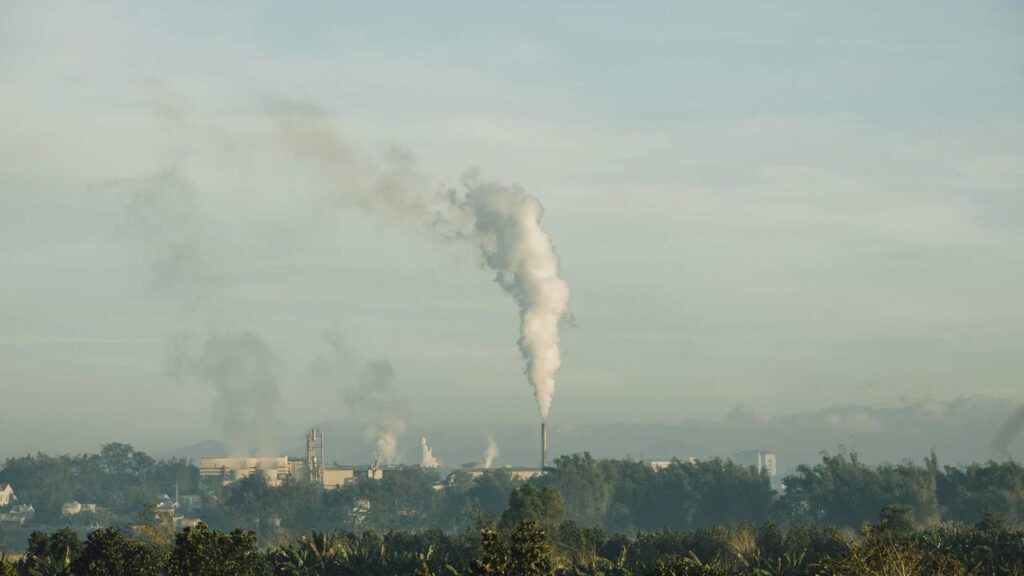
Industrialization, burning fossil fuels, and deforestation are major contributors. These human activities release excessive carbon dioxide and methane, strengthening the heat trapping layer around Earth.
How It Differs from the Natural Process
While the natural process is balanced, the enhanced version accelerates warming. This is the core difference in the natural vs enhanced greenhouse effect, where human influence amplifies what was once a stable system.
Historical Background and Development
For centuries, the greenhouse effect remained relatively stable. However, since the Industrial Revolution, emissions have increased rapidly. Scientific research in the 19th and 20th centuries confirmed the link between rising emissions and temperature changes.
Scientific Discovery and Awareness
Early scientists identified how carbon dioxide affects heat retention. Modern climate science now uses advanced models to predict future climate change impacts, emphasizing the urgency of reducing emissions.
Key Features of the Natural vs Enhanced Greenhouse Effect
Understanding their features helps clarify why one is beneficial and the other harmful.
Main Characteristics Comparison
- Natural process occurs without human interference
- Enhanced process is driven by industrial emissions
- Natural warming supports life
- Enhanced warming leads to global warming
- Natural balance is slow changing while enhanced change is rapid
This comparison highlights the critical contrast within the natural vs enhanced greenhouse effect.
Benefits and Drawbacks
The natural greenhouse effect is essential, but the enhanced version creates serious challenges.
Advantages of the Natural Process
The natural greenhouse effect ensures climate stability, agricultural productivity, and ecosystem health. It is a protective mechanism that makes Earth habitable.
Challenges of the Enhanced Greenhouse Effect
The enhanced greenhouse effect leads to rising sea levels, extreme weather, melting glaciers, and biodiversity loss. These outcomes threaten food security and human livelihoods.
Real World Examples and Use Cases
The effects of enhanced warming are already visible worldwide. Heatwaves, stronger storms, and shifting rainfall patterns show how the natural vs enhanced greenhouse effect plays out in real life.
Examples Across the Globe
Coastal flooding, prolonged droughts, and shrinking ice caps are clear indicators. These examples demonstrate how increased greenhouse gases intensify natural warming processes.
Why Understanding This Difference Matters
Recognizing the difference between natural and enhanced warming helps individuals and policymakers make informed decisions. Education is a key step toward climate responsibility.
Recommendations for Reducing Impact
- Use renewable energy sources
- Improve energy efficiency
- Reduce deforestation
- Support climate friendly policies
- Raise public awareness
By addressing the enhanced greenhouse effect, we can restore balance and reduce harmful outcomes.
Conclusion
The natural vs enhanced greenhouse effect explains how a life-supporting system can become harmful when intensified by human activities. The natural process keeps Earth warm and stable, while excess greenhouse gases increase heat retention and accelerate global warming. Understanding this difference helps clarify the causes of climate change impacts and highlights the need for responsible environmental choices. By reducing emissions, protecting ecosystems, and supporting sustainable solutions, individuals and societies can help restore balance. Awareness of this topic is essential for safeguarding the planet and ensuring a healthier future for coming generations.