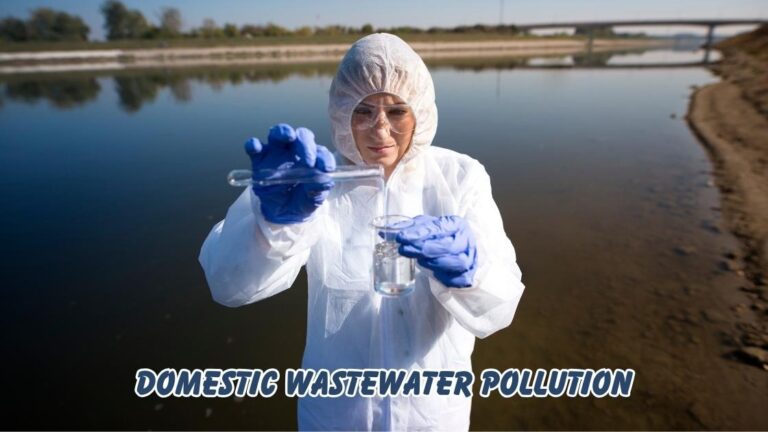
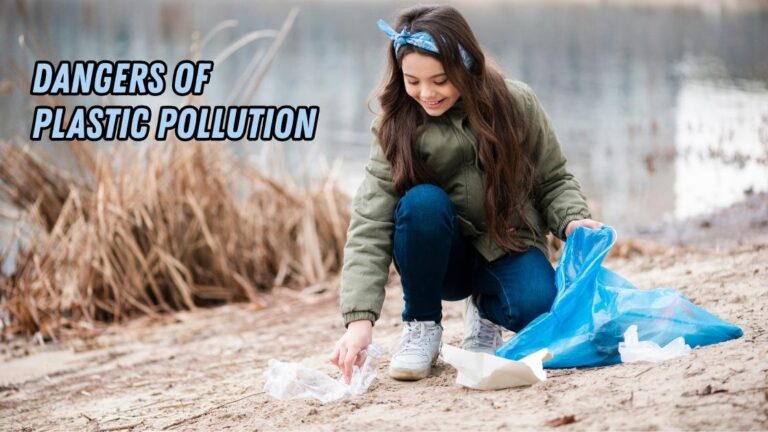
Ocean waste management has become one of the most pressing global concerns as our seas face increasing pollution from plastic debris, industrial discharge, and chemical contaminants. This growing crisis threatens marine biodiversity, coastal ecosystems, and even human livelihoods.
In this article, we’ll explore the challenges of marine pollution, highlight the impacts of plastic waste in oceans, and discuss sustainable strategies to restore ocean health. From innovative cleanup technologies to global conservation initiatives, we’ll uncover practical steps toward reducing waste and preserving our blue planet. By understanding both the obstacles and solutions, we can contribute to creating cleaner, healthier oceans for future generations.
Understanding Ocean Waste Management and Its Global Importance
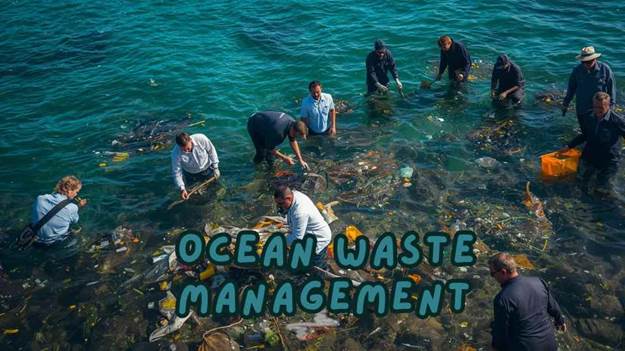
Ocean waste management refers to the processes, strategies, and systems used to control, reduce, and eliminate waste materials that end up in the oceans. Over the past few decades, rapid industrialization, urbanization, and population growth have intensified marine pollution. Every year, millions of tons of plastic, chemicals, and other debris are dumped into the sea, posing a severe threat to aquatic life and human health.
Related Article: Causes of Plastic Pollution in the Ocean: Uncovering the Major Sources Behind Marine Waste Crisis
Historically, oceans were viewed as limitless dumping grounds for human waste, but scientific studies have revealed the long-term damage caused by this negligence. Governments, environmental organizations, and communities are now recognizing the urgent need for effective marine waste management to protect biodiversity and ensure sustainable use of marine resources.
The Growing Threat of Marine Pollution
Marine pollution is one of the most significant environmental challenges. It includes plastic waste, chemical discharge, oil spills, and discarded fishing gear. The most alarming issue is plastic pollution, as plastic takes hundreds of years to decompose and harms marine creatures through ingestion and entanglement.
Key pollutants entering the ocean include:
- Plastic debris – bottles, bags, microplastics, and packaging materials
- Chemical waste – fertilizers, pesticides, and industrial runoff
- Oil and petroleum – from spills and leaks during transportation
- Sewage and wastewater – untreated discharge from cities and industries
Each of these pollutants affects the marine ecosystem differently, yet all contribute to habitat destruction and declining water quality.
Why Ocean Waste Management Matters
The importance of ocean waste management cannot be overstated. Oceans cover over 70% of the Earth’s surface and are vital for regulating climate, producing oxygen, and supporting billions of people through food and employment. When ocean health declines, it directly impacts human life.
Key benefits of effective waste management include:
- Preservation of marine biodiversity: Protects species from pollution and extinction
- Sustainable fisheries: Ensures clean habitats for fish populations
- Improved water quality: Reduces toxic buildup and supports healthy marine systems
- Tourism and economy: Clean beaches and seas boost local economies
- Climate regulation: Healthy oceans absorb carbon dioxide efficiently
By improving marine waste reduction, we not only safeguard aquatic life but also strengthen global sustainability goals.
Major Challenges in Ocean Waste Management
Despite growing awareness, several barriers hinder effective ocean waste management:
1. Excessive Plastic Production
Global plastic manufacturing continues to rise, with limited recycling capabilities. Each year, more than 8 million tons of plastic waste make their way into the world’s oceans. Most countries lack infrastructure to manage this growing waste stream.
2. Poor Waste Disposal Systems
Many coastal cities have inefficient waste collection and treatment systems. Improperly managed landfills and stormwater runoff carry garbage directly into the sea.
3. Limited Global Cooperation
Waste in the ocean does not respect borders. A lack of international coordination makes it difficult to enforce laws or fund large-scale cleanup efforts.
4. High Cleanup Costs
Removing waste from deep or remote ocean regions requires advanced technology and significant funding, making cleanup operations costly and time-consuming.
Sustainable Solutions and Global Initiatives
To overcome these challenges, several innovative and sustainable approaches are being developed worldwide.
1. Promoting the 3Rs: Reduce, Reuse, Recycle
Encouraging individuals and industries to minimize single-use plastics is key.
Examples include:
- Switching to biodegradable packaging
- Encouraging recycling at the community level
- Reusing containers and materials to limit waste generation
2. Advanced Waste Collection Technologies
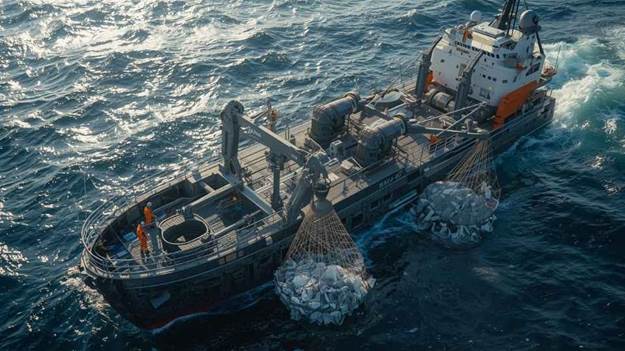
Modern ocean cleanup initiatives use drones, barriers, and autonomous vessels to collect floating debris. Projects like The Ocean Cleanup target major garbage patches using solar-powered systems to remove plastic waste efficiently.
3. Strengthening Policy and Regulation
Governments play a vital role in reducing marine pollution by implementing stricter environmental laws.
Key actions include:
- Banning single-use plastics
- Monitoring industrial waste discharge
- Supporting circular economy initiatives
4. Coastal Community Engagement
Educating and involving coastal residents in cleanup drives can create long-lasting impact. Community-based waste management programs teach locals how to separate and recycle waste responsibly.
5. Corporate Responsibility
Industries that contribute to ocean pollution, such as packaging and fishing sectors, are now being urged to adopt sustainable waste management practices. Many multinational companies are investing in eco-friendly materials and funding marine restoration projects.
Real-Life Examples of Positive Change
- The Ocean Cleanup (Global): Uses floating systems to capture debris in the Great Pacific Garbage Patch.
- Plastic Bank (Indonesia, Haiti, Philippines): Encourages people to collect plastic waste in exchange for digital rewards.
- Parley for the Oceans (Worldwide): Partners with brands like Adidas to recycle ocean plastic into sportswear.
These initiatives demonstrate how innovation, collaboration, and awareness can restore marine environments and protect aquatic ecosystems.
Building a Cleaner Blue Planet
Creating a cleaner ocean requires a combination of personal responsibility, community action, and global cooperation. Individuals can reduce plastic usage, support sustainable seafood choices, and participate in cleanup campaigns. Governments and organizations must strengthen international partnerships to ensure long-term success.
By working together on effective ocean waste management, we can protect marine life, restore ecosystems, and secure a healthier, more vibrant blue planet for generations to come.
Conclusion:
In conclusion, effective ocean waste management is essential to preserving marine biodiversity, protecting coastal communities, and maintaining ecological balance. By addressing the challenges of marine pollution and adopting innovative ocean cleanup initiatives, we can significantly reduce waste entering our seas. Every individual, organization, and government has a role to play in restoring ocean health. Let’s commit to responsible choices, support sustainability efforts, and stay informed to help build a cleaner, safer, and more sustainable blue planet for generations to come.