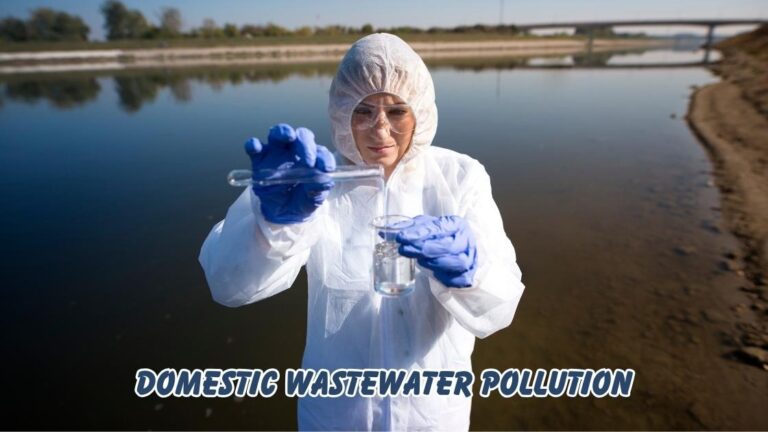
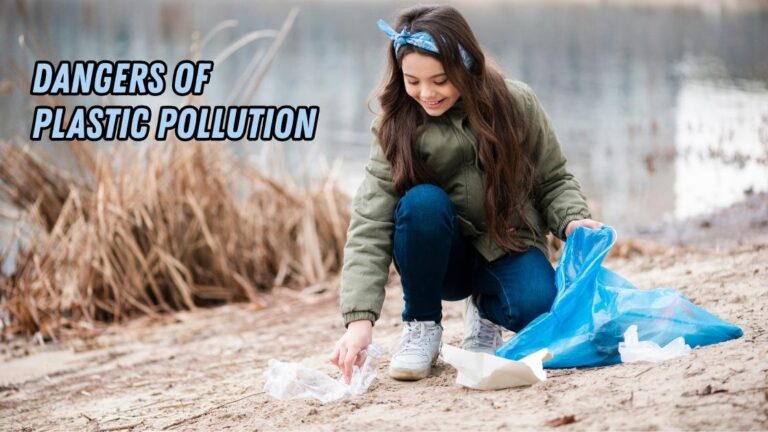
In recent decades, the plastic pollution crisis has emerged as one of the most pressing environmental challenges facing our planet. What once was celebrated as a revolutionary material due to its durability, versatility, and affordability has now become a major threat to ecosystems, wildlife, and human health. Every year, millions of tons of plastic waste are produced, and a significant portion of it ends up in oceans, rivers, and landfills. To tackle this problem, it is essential to understand the root causes, consequences, and possible solutions to the plastic pollution crisis.
The Origins of the Plastic Problem
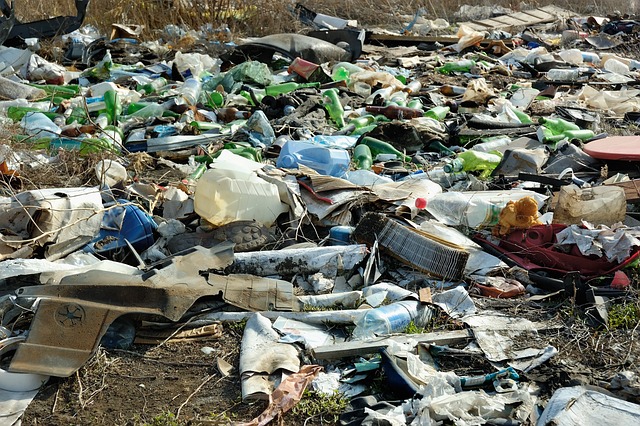
Plastic production skyrocketed after World War II, transforming industries ranging from packaging to healthcare. However, its very strength resistance to degradation has turned it into a long-term pollutant. Unlike natural materials, plastics take hundreds of years to break down, and even when they do, they disintegrate into microplastics that infiltrate soil, water, and even the air we breathe.
Today, single-use plastics account for nearly half of all plastic waste generated worldwide. Bags, bottles, straws, and packaging are discarded daily, often after just minutes of use. This overdependence on disposable items is one of the leading contributors to the plastic pollution crisis.
Environmental Consequences of Plastic Waste
The plastic pollution crisis is not just an eyesore; it carries devastating ecological consequences. In marine environments, plastics entangle turtles, choke seabirds, and are ingested by fish, which mistake small fragments for food. This not only threatens biodiversity but also disrupts food chains, leading to long-term ecological imbalance.
On land, plastic waste clogs drainage systems, contributing to flooding in urban areas. Burning plastics, a common disposal method in many developing regions, releases toxic chemicals into the air, worsening air quality and human health. Clearly, the plastic pollution crisis is an interconnected issue that touches every aspect of the environment.
Human Health Risks Linked to Plastic
The plastic pollution crisis does not end with environmental damage it directly affects human health. Microplastics have been found in drinking water, table salt, and even human blood. Chemicals used in plastic production, such as bisphenol A (BPA) and phthalates, are linked to hormonal disruptions, reproductive issues, and certain cancers.
Furthermore, communities living near landfills or waste incineration sites face higher risks of respiratory problems and chronic illnesses. The plastic pollution crisis is therefore not just an ecological disaster but also a silent public health emergency.
Economic Impact of Plastic Pollution
Beyond environmental and health concerns, the plastic pollution crisis carries a heavy economic burden. Coastal cities spend billions of dollars each year cleaning up beaches and waterways littered with plastic. The fishing and tourism industries are particularly vulnerable, as polluted waters discourage visitors and reduce fish stocks.
The World Bank estimates that the global cost of marine plastic pollution alone runs into tens of billions annually. Thus, addressing the plastic pollution crisis is not only a moral imperative but also an economic necessity.
Global Efforts to Combat Plastic Pollution
Around the world, governments, organizations, and individuals are stepping up to fight the plastic pollution crisis. Several countries have implemented bans on single-use plastics such as bags and straws. The European Union, for example, has introduced comprehensive legislation to reduce plastic consumption and encourage recycling.
International agreements like the United Nations’ Clean Seas campaign also aim to unite nations in reducing marine plastic waste. While these initiatives are promising, the plastic pollution crisis requires stronger collaboration and more ambitious action at both local and global levels.
Innovative Solutions and Alternatives
The fight against the plastic pollution crisis has sparked innovation across industries. Startups and researchers are developing biodegradable alternatives made from materials like cornstarch, seaweed, and bamboo. These eco-friendly products break down much faster than traditional plastics, offering a practical alternative for packaging and consumer goods.
Additionally, waste-to-energy technologies are gaining traction, converting non-recyclable plastics into usable energy. Upcycling initiatives, where waste materials are creatively repurposed into new products, also play a key role in reducing plastic waste. Such innovations give hope that the plastic pollution crisis can be mitigated with science, creativity, and collective will.
The Role of Individuals in Reducing Plastic Use
While systemic changes are essential, individuals can also contribute significantly to ending the plastic pollution crisis. Simple lifestyle changes such as carrying reusable bags, bottles, and containers can reduce dependence on single-use plastics. Choosing products with minimal or biodegradable packaging also sends a powerful message to manufacturers.
Moreover, raising awareness through social media, education, and community programs empowers more people to take part in sustainable practices. When millions of individuals adopt small changes, the cumulative effect can have a major impact on the plastic pollution crisis.
Looking Ahead: Building a Plastic-Free Future
The road to solving the plastic pollution crisis is undoubtedly challenging, but it is not impossible. It requires a combination of strong government policies, corporate responsibility, technological innovation, and individual commitment. By rethinking consumption habits, promoting circular economies, and investing in sustainable alternatives, society can gradually reduce its reliance on plastics.
If we act decisively today, future generations will inherit cleaner oceans, healthier ecosystems, and safer communities. The plastic pollution crisis is a wake-up call for humanity to shift from convenience-driven choices toward long-term sustainability.
Conclusion
The plastic pollution crisis is one of the defining environmental challenges of our time. Its impact spans ecosystems, human health, and global economies, making it an urgent issue that cannot be ignored. While the situation is serious, hope lies in the combined efforts of governments, businesses, and individuals.
By embracing innovation, reducing single-use plastic consumption, and spreading awareness, we can collectively work toward ending the plastic pollution crisis. Each choice we make from the bags we carry to the products we buy has the power to create meaningful change. The time to act is now, before the plastic pollution crisis becomes irreversible.