Our planet’s surface is not a single solid piece but a dynamic system made up of tectonic plates that move, shift, and interact with each other. One of the most powerful geological processes driving changes on Earth is plate collision.
Table of Contents
This process occurs when two tectonic plates converge, pushing against each other with immense force. The outcomes of plate collision range from the creation of towering mountain ranges to devastating earthquakes, reshaping landscapes and influencing life on Earth. Understanding plate collision is crucial not only for geology but also for disaster preparedness and environmental awareness.
What is Plate Collision?
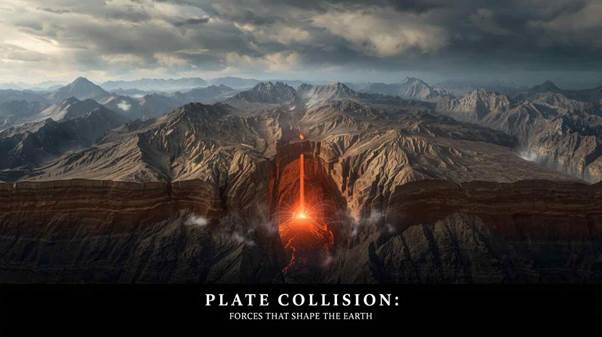
Plate collision refers to the process when two tectonic plates of the Earth’s lithosphere move toward each other and collide. Depending on the type of plates involved continental or oceanic the results can vary significantly. This slow but relentless process is one of the fundamental forces behind Earth’s geological activity. Unlike surface events, plate collision operates on a massive scale, influencing continents, oceans, and even the climate over millions of years.
Types of Plate Collision
Not all plate collision events are the same. The type of plates that meet determines the geological outcome.
Continental-Continental Collision
When two continental plates collide, neither subducts easily because both are buoyant and thick. Instead, the crust crumples and folds, leading to the formation of massive mountain ranges. The Himalayas, the world’s tallest mountain system, are a result of the ongoing plate collision between the Indian Plate and the Eurasian Plate.
Oceanic-Continental Collision
When an oceanic plate collides with a continental plate, the denser oceanic plate subducts beneath the lighter continental plate. This type of plate collision often creates volcanic mountain chains along the continental margin. The Andes in South America are a striking example of this process.
Oceanic-Oceanic Collision
In this scenario, one oceanic plate subducts beneath another, forming deep ocean trenches and volcanic island arcs. The Mariana Trench, the deepest part of the world’s oceans, was formed by such a plate collision.
Geological Features Formed by Plate Collision
The immense power of plate collision is visible in the striking geological structures it produces.
- Mountains: The Himalayas and the Alps are direct products of continental collisions.
- Volcanoes: Subduction zones create volcanic activity, forming long volcanic belts such as the Pacific Ring of Fire.
- Earthquakes: The pressure buildup during plate collision often releases as seismic waves, causing destructive earthquakes.
- Trenches: Deep oceanic trenches mark zones where one plate dives beneath another.
Plate Collision and Natural Hazards
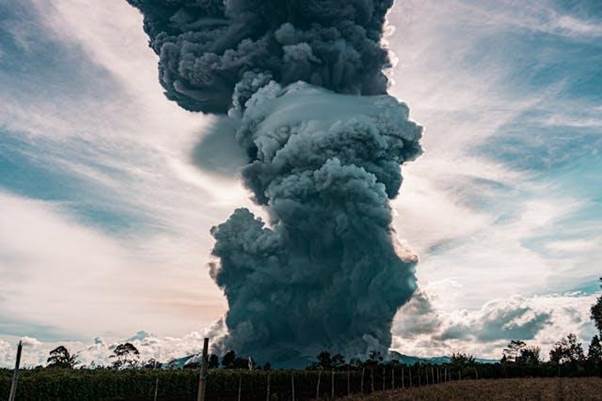
While plate collision is essential for Earth’s evolution, it also poses risks to human societies. Regions near collision zones are prone to frequent and intense natural hazards. Earthquakes triggered by plate collision can devastate cities, while volcanic eruptions can alter climates temporarily by releasing ash and gases. Understanding these risks allows governments and communities to implement better preparedness strategies.
Plate Collision and Climate Influence
Interestingly, plate collision affects not only landforms but also climate. The uplift of large mountain ranges influences atmospheric circulation and rainfall patterns. For instance, the rise of the Himalayas altered the Asian monsoon system. Additionally, the chemical weathering of newly formed mountains removes carbon dioxide from the atmosphere, impacting long-term climate regulation. Thus, plate collision has both geological and environmental consequences.
Human Settlements and Plate Collision Zones
Despite the dangers, many human civilizations have thrived in regions shaped by plate collision. Fertile soils created by volcanic activity support agriculture, while mountain ranges provide water sources from glacial melt. Cities like Santiago in Chile and Kathmandu in Nepal are located in active collision zones. However, living in these areas comes with the constant risk of earthquakes and volcanic activity linked to plate collision.
Studying Plate Collision Through Science
Advances in geology, seismology, and satellite technology allow scientists to study plate collision more accurately than ever before. GPS measurements show how fast plates are moving, while seismic imaging reveals what happens beneath the Earth’s surface. By studying patterns of plate collision, researchers can make better predictions about earthquakes and volcanic activity, potentially saving lives.
The Future of Plate Collision
The process of plate collision is ongoing and will continue to shape Earth’s surface for millions of years. For example, the African Plate is slowly moving toward the Eurasian Plate, which may eventually close the Mediterranean Sea. Similarly, the Himalayas are still rising as the Indian Plate pushes northward. These slow but dramatic changes remind us that plate collision is not just a phenomenon of the past but an active force shaping the planet’s future.
Conclusion
Plate collision is one of Earth’s most powerful natural processes, responsible for building mountains, creating volcanoes, and triggering earthquakes. While it brings risks to human societies, it also enriches soils, forms freshwater sources, and drives long-term climate cycles. Understanding plate collision allows us to appreciate the dynamic nature of our planet while preparing for the challenges it presents. As science advances, our ability to study and adapt to the impacts of plate collision will play a vital role in ensuring a safer and more resilient future.