In today’s rapidly developing world, the issue of waste management has become a global concern. Cities generate mountains of trash every day, most of which ends up in landfills, oceans, or incinerators. The consequences are evident in rising pollution levels, climate change, and harm to biodiversity. Among the solutions to this pressing challenge, one concept stands out: Recycling awareness. By understanding the importance of recycling and spreading knowledge about it, individuals, communities, and governments can collectively move toward a cleaner and greener planet.
Why Recycling Matters
Recycling is more than just tossing a plastic bottle into a blue bin it is a conscious process of reusing materials to minimize waste and conserve resources. Metals, plastics, paper, and glass can all be transformed into new products instead of being discarded. The significance of Recycling awareness lies in helping people realize that every small action contributes to a larger solution.
When materials are recycled, the demand for raw resources such as timber, minerals, and oil decreases. This reduces the strain on ecosystems and helps preserve forests, rivers, and wildlife habitats. Additionally, recycling minimizes energy consumption compared to manufacturing new products from scratch. For instance, recycling aluminum saves up to 95% of the energy required to make new aluminum from ore.
The Environmental Impact
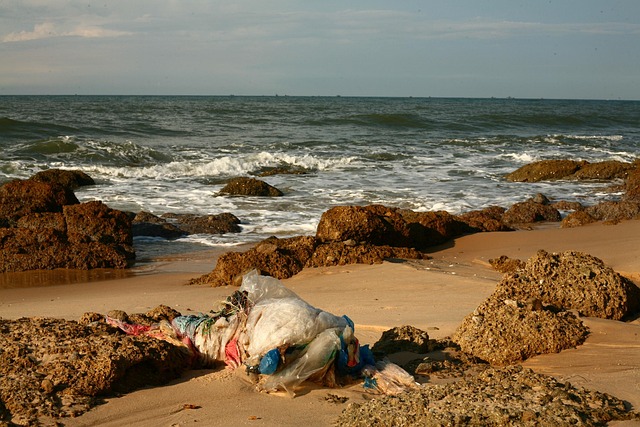
Pollution remains one of the most damaging effects of improper waste disposal. Plastic waste, in particular, takes hundreds of years to decompose and often finds its way into oceans, harming marine life. By promoting Recycling awareness, communities can cut down on the production of single-use plastics and encourage people to adopt reusable alternatives.
Landfills are another environmental concern. As waste decomposes in landfills, it releases harmful greenhouse gases like methane, which contribute to global warming. Recycling reduces the amount of waste sent to landfills, thereby decreasing greenhouse gas emissions and promoting cleaner air. This connection between recycling and climate change mitigation emphasizes the importance of raising Recycling awareness at both local and global levels.
Social and Economic Benefits
Beyond environmental advantages, Recycling awareness has social and economic impacts. Recycling creates jobs in collection, sorting, processing, and manufacturing industries. According to global studies, recycling industries employ millions worldwide, contributing to economic growth while ensuring sustainability.
Moreover, raising awareness encourages innovation. Companies are now designing eco-friendly packaging, biodegradable products, and efficient waste management technologies. Such innovations benefit society by offering sustainable choices to consumers. When people are educated about recycling, they become more mindful shoppers, supporting businesses that prioritize the environment.
Recycling at the Individual Level
Change often begins at home. Practicing Recycling awareness in daily life doesn’t require massive effort just small, consistent actions. Households can separate waste into recyclables, compostables, and non-recyclables. Using cloth bags instead of plastic, repurposing glass jars, or donating old clothes rather than discarding them are practical ways to reduce waste.
Children should also be introduced to recycling from an early age. Schools can organize activities like waste segregation drives or craft projects using recycled materials. This not only educates young minds but also builds lifelong habits of environmental responsibility. When families embrace recycling as part of their lifestyle, it gradually becomes a community culture.
Recycling Awareness in Communities
Community-driven initiatives play a critical role in spreading Recycling awareness. Neighborhood clean-up drives, awareness campaigns, and local recycling centers make recycling accessible and engaging. For example, many cities now have drop-off points for electronic waste, batteries, and hazardous materials. By creating such facilities, communities empower people to recycle items that are often overlooked.
Non-profit organizations also play a role by running educational campaigns and collaborating with governments. Social media platforms further amplify these efforts, making recycling messages reach wider audiences. A simple online campaign with the right message can inspire thousands to adopt recycling habits.
Government and Policy Initiatives
While individual and community efforts are essential, government policies give recycling its true momentum. Laws and regulations mandating waste segregation, recycling targets, and penalties for non-compliance can significantly improve waste management systems. Governments also fund research and provide incentives for companies that invest in sustainable packaging and recycling facilities.
Recycling awareness becomes stronger when supported by such initiatives. Public-private partnerships ensure that recycling isn’t just a moral choice but also an economic and legal responsibility. When policies align with people’s actions, sustainable development becomes achievable.

Barriers to Recycling
Despite the benefits, challenges remain. Lack of infrastructure, limited public knowledge, and misconceptions about recycling often hinder progress. For instance, many people are unsure about which items are recyclable and often contaminate recycling bins with non-recyclable waste. Here, Recycling awareness is crucial to bridge the knowledge gap. Educational campaigns, clear labeling on packaging, and community workshops can address these issues effectively.
Additionally, recycling costs can sometimes be higher than producing new materials, especially in regions without efficient facilities. Governments and businesses must work together to make recycling economically viable and appealing to consumers.
Building a Culture of Sustainability
Ultimately, the goal is not just recycling but fostering a sustainable mindset. Recycling awareness is part of a larger cultural shift where people view waste as a resource rather than garbage. This perspective encourages a circular economy, where products are designed to be reused, repaired, and recycled instead of being discarded.
Consumers, businesses, and policymakers must work hand in hand to nurture this culture. Every decision from choosing packaging to implementing corporate recycling programs contributes to the global effort.
Conclusion
In a world where environmental challenges are growing, Recycling awareness stands as a powerful tool for change. It empowers individuals to act responsibly, helps communities adopt sustainable habits, and pushes governments and businesses toward eco-friendly solutions. Recycling conserves resources, reduces pollution, creates jobs, and supports innovation.
By embracing Recycling awareness, we take a collective step toward safeguarding the planet for future generations. The responsibility lies with each of us because change starts with awareness, and awareness leads to action. A sustainable future depends on how well we learn, practice, and promote the principles of recycling today.