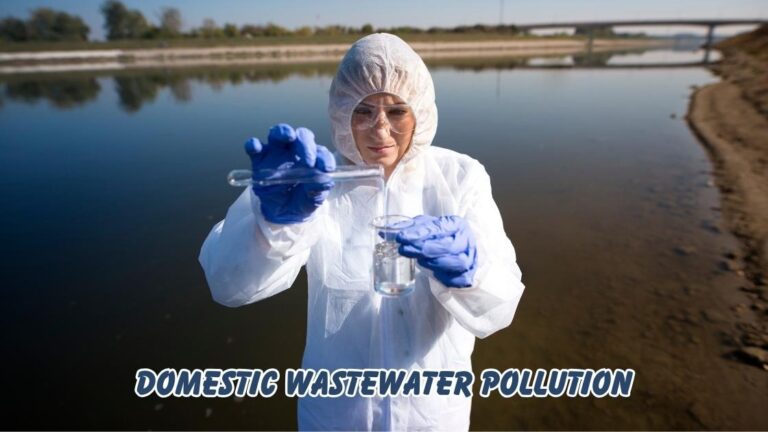
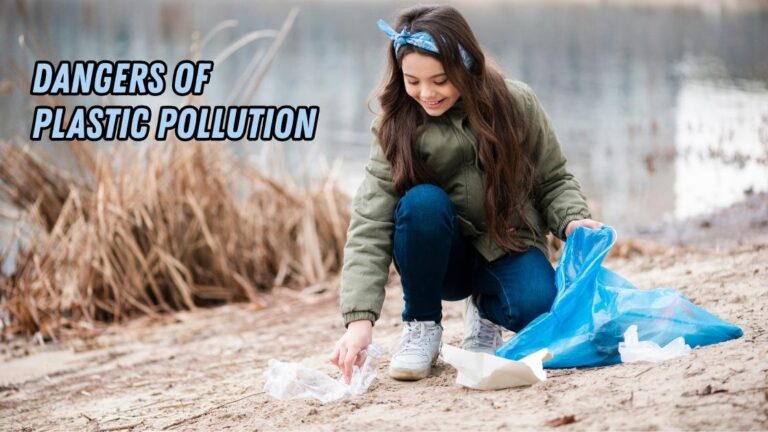
Our planet’s blue heart the ocean faces a grave threat from human activities. Every year, millions of tons of waste, chemicals, and plastics find their way into marine ecosystems, disrupting life beneath the waves. To safeguard our future, it’s vital to reduce marine pollution and restore balance to these fragile environments.
This article explores practical strategies to combat ocean contamination, the importance of clean seas, and how collective action can preserve aquatic life for generations to come.
Understanding Marine Pollution and Why We Must Act
Marine pollution refers to the introduction of harmful materials such as plastics, oils, industrial waste, and chemicals into the ocean. The need to reduce marine pollution stems from its devastating effects destroyed coral reefs, endangered species, and contaminated seafood. Historically, rapid industrialization and poor waste management practices have accelerated ocean degradation.
According to the United Nations, over 80% of marine pollution originates from land-based sources. This means our actions on land whether littering or using single-use plastics directly impact ocean health. Recognizing this connection is the first step to meaningful change.
The Importance of Taking Action to Reduce Marine Pollution
Clean oceans are crucial for maintaining ecological balance and human survival. By striving to reduce marine pollution, we protect marine biodiversity, sustain fisheries, and ensure cleaner air since oceans absorb vast amounts of carbon dioxide.
Healthy oceans:
- Support over 3 billion people who rely on seafood as a primary protein source
- Generate more than half of the planet’s oxygen
- Regulate climate and weather patterns
Failing to act now will intensify global warming, threaten livelihoods, and jeopardize food security. Therefore, sustainable ocean management is not optional it’s essential.
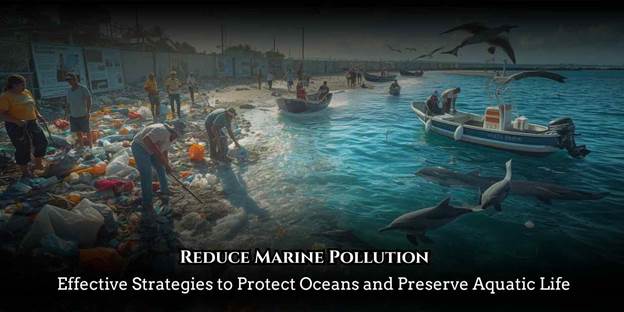
Major Sources of Marine Pollution
To effectively reduce marine pollution, it’s crucial to identify its key sources:
- Plastic waste – Discarded bottles, bags, and packaging materials make up nearly 80% of marine litter.
- Oil spills – Accidental or deliberate release of oil harms fish, seabirds, and coastal habitats.
- Agricultural runoff – Fertilizers and pesticides from farmlands enter rivers, causing algal blooms and oxygen depletion.
- Industrial waste – Factories discharge toxic chemicals and heavy metals directly into waterways.
- Sewage disposal – Untreated or poorly treated wastewater pollutes nearshore ecosystems.
Identifying and addressing these sources form the foundation of global efforts to reduce marine pollution effectively.
Reduce Marine Pollution with Smart Waste Management Solutions
Efficient waste management is one of the most practical ways to reduce marine pollution. Governments and industries must prioritize recycling systems, invest in waste collection infrastructure, and enforce anti-littering laws.
Strategies include:
- Implementing circular economy models that reuse materials instead of discarding them
- Promoting biodegradable packaging alternatives
- Encouraging communities to separate recyclables from general waste
Countries like Sweden and Japan have achieved impressive recycling rates through strong policy enforcement proving that effective management works.
Reduce Marine Pollution Through Plastic Reduction Campaigns
Plastic pollution remains the single largest threat to the oceans. To reduce marine pollution, global awareness campaigns and government bans on single-use plastics are vital.
Key initiatives:
- Encouraging reusable items like bottles and bags
- Banning microplastics in cosmetic and cleaning products
- Supporting cleanup drives on beaches and coastal areas
The “Ocean Cleanup Project” is a remarkable example, using advanced technology to remove floating plastics from major ocean gyres. Such innovation shows that collective human effort can reverse damage.
Reduce Marine Pollution by Controlling Industrial and Chemical Waste
Industries play a massive role in ocean contamination. Stricter regulations and advanced treatment technologies can significantly reduce marine pollution caused by industrial runoff.
Effective measures:
- Installing wastewater treatment systems
- Monitoring chemical discharge regularly
- Encouraging green manufacturing practices
Singapore serves as a global example, with strict wastewater recycling programs and advanced filtration systems that protect its marine environment.
Reduce Marine Pollution with Sustainable Agriculture Practices
Agricultural runoff contributes to nutrient overload in coastal waters, creating “dead zones” where marine life cannot survive. Sustainable farming practices can drastically reduce marine pollution.
Recommended solutions:
- Using organic fertilizers instead of chemical-based ones
- Building buffer zones between farmland and rivers
- Practicing crop rotation and soil conservation
By adopting these methods, farmers can reduce harmful runoff while maintaining high crop yields creating a win-win situation for both agriculture and the environment.

Reduce Marine Pollution Through Global Policies and Public Participation
The battle to reduce marine pollution requires collaboration among nations, organizations, and individuals. International treaties like the MARPOL Convention (International Convention for the Prevention of Pollution from Ships) set global standards for waste disposal and marine safety.
Public participation also plays a critical role. Educational programs, community beach cleanups, and responsible consumer habits amplify these efforts. Together, small actions create a ripple effect leading to massive environmental impact.
Challenges in Efforts to Reduce Marine Pollution
While progress is being made, several obstacles hinder our ability to reduce marine pollution effectively:
- Lack of enforcement of environmental laws
- Insufficient public awareness
- Financial limitations in developing nations
- Corporate resistance to sustainable changes
Overcoming these barriers requires global cooperation, technological innovation, and strong political will.
The Benefits of Reducing Marine Pollution
When we successfully reduce marine pollution, the rewards are far-reaching:
- Revitalized coral reefs and fisheries
- Improved water quality
- Strengthened coastal economies through tourism and fishing
- Enhanced climate regulation and carbon absorption
In essence, a cleaner ocean means a healthier planet.
Conclusion
The call to reduce marine pollution is more urgent than ever. By embracing smart waste management, curbing plastic use, enforcing strict industry standards, and promoting public participation, humanity can protect its most precious resource the ocean. Every step taken today contributes to a cleaner, safer, and more sustainable future. Let’s act now to safeguard our seas and preserve aquatic life for generations ahead.