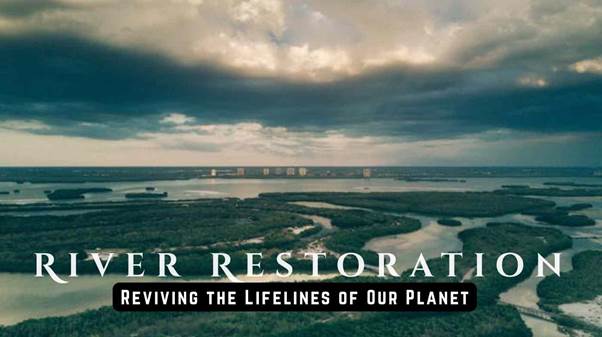
River restoration is becoming an urgent environmental priority in today’s world, where pollution, urbanization, and dam construction have severely impacted natural waterways. As the name suggests, river restoration focuses on bringing rivers back to their natural state restoring their ecosystems, water quality, and flow patterns. This process involves removing obstructions, replanting vegetation, and rebuilding habitats that support aquatic and terrestrial life.
Table of Contents
In this article, we will explore what river restoration means, its history, significance, benefits, and challenges, along with some successful global examples. Understanding this concept is vital because rivers are not only sources of freshwater but also the backbone of biodiversity and human civilization. By the end, you’ll see how river restoration is key to ensuring a sustainable and thriving planet for generations to come.
Understanding River Restoration and Its Core Purpose
Definition and Concept
River restoration refers to the process of returning a river system to its natural or near-natural condition by improving its ecological health and functionality. It focuses on reestablishing the natural flow, reducing pollution, enhancing wildlife habitats, and promoting biodiversity.
Historical Background
Historically, humans have altered rivers for agriculture, industry, and settlement. While these developments advanced civilizations, they also caused deforestation, sediment buildup, and water contamination. The modern concept of river restoration emerged in the late 20th century, when scientists and environmentalists began recognizing the importance of maintaining ecological balance.
The Importance of River Restoration for Ecosystem Balance
Ecological Significance
Healthy rivers are crucial for maintaining biodiversity. River restoration ensures that aquatic ecosystems remain productive by providing clean water, shelter, and nutrients for plants and animals. A restored river supports:
• Fish spawning and migration
• Bird nesting habitats
• Wetland formation and soil fertility
Human and Environmental Connection
Rivers provide drinking water, food, recreation, and energy. When they are degraded, communities suffer from water scarcity, flooding, and loss of natural beauty. River restoration reconnects humans with nature by promoting sustainable water use and environmental awareness.
Key Benefits of River Restoration
1. Enhanced Water Quality
Restoring rivers helps filter pollutants through natural vegetation and sedimentation processes. Cleaner rivers mean healthier communities and safer ecosystems.
2. Flood Control and Risk Reduction
River restoration improves natural floodplain functions. Reconnecting rivers with their floodplains allows excess water to spread out safely, reducing the risk of catastrophic flooding.
3. Biodiversity Conservation
Rehabilitated rivers serve as corridors for wildlife movement, protecting endangered species and maintaining ecosystem connectivity.
4. Recreational and Economic Value
Restored rivers attract tourism, fishing, and other recreational activities, boosting local economies. Communities also benefit from aesthetic and mental health improvements linked to natural spaces.
Challenges Facing River Restoration Projects
Financial Constraint
One of the biggest obstacles in river restoration is the cost. Large-scale projects require significant funding for planning, materials, and monitoring.
Human Intervention and Urban Pressure
Urban expansion often disrupts river systems, making restoration more complex. Managing waste disposal, infrastructure, and agricultural runoff remains a key challenge.
Lack of Public Awareness
Many people are unaware of how essential river restoration is to environmental health. Without community support, projects may fail to sustain long-term benefits.
Policy and Governance Issues
In some regions, overlapping responsibilities among environmental agencies slow down project execution. Effective river restoration requires coordination between governments, NGOs, and local communities.
Real-World Examples of Successful River Restoration
1. The Thames River, United Kingdom
Once declared biologically dead, the Thames has become a global model of river restoration success. Through strict pollution controls and habitat rehabilitation, it now supports hundreds of species of fish and birds.
2. The Rhine River, Europe
Crossing multiple countries, the Rhine was heavily industrialized. Joint international efforts in river restoration led to significant improvements in water quality and aquatic life.
3. The Kissimmee River, USA
In Florida, engineers reversed a channelization project, allowing the river to regain its natural meandering flow. This restored wetlands and improved wildlife habitats dramatically.
4. Yangtze River, China
China’s recent river restoration initiatives focus on reducing dam impacts, improving sediment flow, and restoring fish migration routes to strengthen ecosystem resilience.
The Path Toward a Sustainable Future
To ensure successful river restoration, collaboration and innovation are vital. Governments must invest in green infrastructure, such as reforestation and wetland buffers. Public participation through volunteer programs and educational campaigns can further accelerate progress. Moreover, adopting nature-based solutions can make restoration more cost-effective and long-lasting.
Conclusion
River restoration is more than just an environmental initiative it’s an investment in life itself. Healthy rivers support biodiversity, purify water, and sustain livelihoods. While challenges remain, the benefits of river restoration far outweigh the costs. Every restored river brings us one step closer to a balanced and thriving planet. Governments, organizations, and individuals must unite to protect these vital ecosystems. Now is the time to take action and restore our rivers the true lifelines of Earth.
Q1: What is river restoration and why is it important?
River restoration is the process of returning rivers to their natural state by improving water flow, removing pollution, and restoring habitats. It’s important because it enhances biodiversity, prevents flooding, and ensures clean water for people and wildlife.
Q2: What are some common methods used in river restoration?
Common river restoration methods include removing dams or barriers, replanting native vegetation, reconnecting floodplains, and controlling pollution sources to improve natural water flow and ecosystem health.
Q3: Can river restoration benefit local communities economically?
Yes, river restoration creates economic benefits by boosting eco-tourism, improving water resources for agriculture, and increasing recreational opportunities like fishing and kayaking.