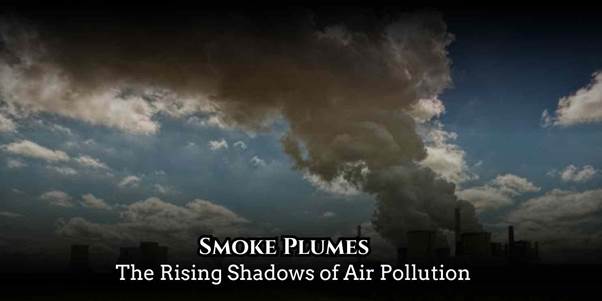
High above the earth, smoke plumes twist and rise dark trails formed by wildfires, industrial fires, and combustion emissions. These rising smoke clouds are not just a sign of destruction below but a powerful indicator of atmospheric pollution above. As they expand through wind direction and smoke interaction, they influence air quality, visibility, and even global climate patterns.
Table of Contents
This article explores the formation, behavior, and impact of smoke plumes, revealing how they shape our environment and what can be done to mitigate their effects on human health and the planet.
Understanding Smoke Plumes and Their Formation
What Are Smoke Plumes?
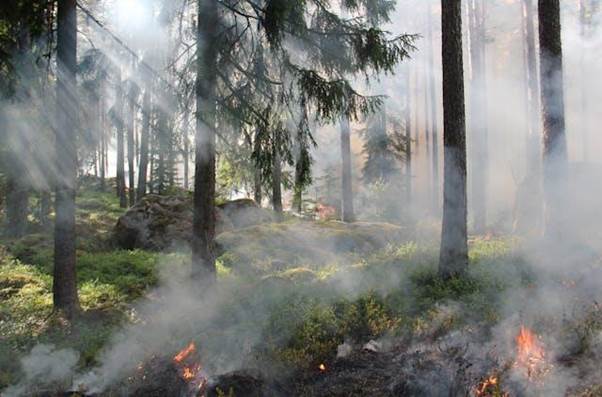
A smoke plume is a column of rising smoke clouds produced by burning vegetation, fossil fuels, or industrial fires. These columns consist of particulate matter, aerosol particles, and gases like carbon monoxide and sulfur dioxide, which combine to create visible trails in the sky. Depending on the source, smoke plumes can vary in color, density, and duration each revealing clues about the combustion byproducts and fire emissions involved.
The Science Behind Plume Formation
Plume formation begins when combustion emissions generate heat that lifts air upward, creating thermal updrafts. As hot air layers rise, cooler air rushes in to replace them, forming a smoke column that can extend several kilometers into the atmosphere. The vertical air movement is shaped by wind direction, atmospheric layering, and air circulation patterns, which together determine the smoke dispersion and travel distance.
Sources and Types of Smoke Plumes
Wildfire Smoke: Nature’s Fierce Contributor
Wildfires are the largest natural producers of smoke plumes. When forests burn, they release vast amounts of wildfire smoke, filled with carbon particles, volatile organic compounds, and greenhouse gases. The intense heat from these fires produces strong plume rise, allowing the smoke to reach the stratosphere and influence global atmospheric dynamics.
Industrial and Urban Plumes
Industrial facilities, power plants, and urban fires emit pollution plumes containing combustion byproducts like sulfur oxides and nitrogen compounds. These smoke drifts contribute to air pollution, smog, and reduced atmospheric visibility. Long-term exposure to such airborne particulates can lead to respiratory illnesses and cardiovascular diseases, making air pollution monitoring crucial for public health.
The Movement and Behavior of Smoke Plumes
Wind and Air Movement Effects
Once formed, smoke plumes are transported by wind direction and air circulation patterns. Depending on wind velocity and temperature gradients, they can travel hundreds or even thousands of kilometers a phenomenon known as long-range smoke travel. For instance, wildfire smoke from North America has been detected across Europe through satellite smoke detection systems.
Atmospheric Dynamics and Plume Rise
The height and spread of smoke plumes depend on thermal updrafts and atmospheric layering. Strong vertical movement creates tall smoke columns, while weak air currents cause smoke haze near the surface. Plume dispersion models help scientists predict how smoke particles spread, assisting in air quality forecasts during wildfire seasons.
Environmental and Climatic Impact of Smoke Plumes
Effect on Air Quality and Human Health
Smoke plumes release tiny particulate matter (PM2.5) that penetrates deep into human lungs. These particles are responsible for breathing difficulties, eye irritation, and increased risks of heart disease. Cities affected by wildfire pollution often experience hazardous air quality levels, requiring emergency responses and pollution alerts.
Impact on Climate and Weather Patterns
Beyond local pollution, smoke plumes influence smoke and climate interactions on a global scale. They can block sunlight, causing temporary cooling in the atmosphere, while black carbon particles absorb heat and contribute to global warming. Over time, smoke transport can alter atmospheric circulation, affecting rainfall and temperature distribution in different regions.
Monitoring and Predicting Smoke Plumes
Satellite and Ground-Based Detection
Modern satellite smoke detection systems track pollution plumes using thermal and optical imaging. Ground stations measure air quality by monitoring particulate matter concentrations and aerosol particles. These technologies provide real-time data for air pollution monitoring, helping governments issue timely health advisories.
Modeling Smoke Dispersion and Plume Behavior
Scientists use atmospheric models to simulate smoke dispersion and plume rise. Factors like wind speed, topography, and temperature inversion affect how smoke spread occurs. Such modeling not only predicts the environmental impact of fires but also guides emergency planning and climate research.
Mitigation and Prevention Strategies
Reducing Fire Emissions and Combustion Byproducts
To minimize smoke plumes, efforts must focus on reducing wildfire occurrences and controlling industrial combustion. Strategies include:
- Implementing controlled burns to reduce flammable material buildup.
- Upgrading industrial emission systems with filters and scrubbers.
- Promoting clean energy alternatives to lower combustion emissions.
Air Quality Management and Public Awareness
Public education campaigns about smoke exposure and air quality monitoring can significantly reduce health risks. Governments can establish early warning systems, enforce emission limits, and promote green infrastructure to reduce the overall pollution load.
Conclusion
Smoke plumes serve as both a symptom and a warning of the world’s growing air pollution crisis. Originating from wildfires and industrial emissions, they affect not only atmospheric visibility but also human health and the planet’s climate balance. Understanding their formation, behavior, and impact allows for better pollution control, effective air quality management, and sustainable solutions for the future. To protect our skies and our lungs, humanity must act decisively because every breath we take depends on it.