
Solar water wind systems are rapidly gaining attention as a powerful solution to meet the growing demand for clean and renewable energy. By combining solar power, wind energy, and water-based technologies, these integrated systems offer a versatile and efficient approach to reducing carbon footprints.
This article explores how these innovative energy solutions can reshape the future of sustainable energy production by enhancing reliability and lowering environmental impact. We will also discuss the benefits of renewable energy sources and how advancements in technology are making these systems more accessible and cost-effective. Whether for residential, commercial, or industrial use, understanding the potential of Sun-heated water wind systems is essential for embracing a greener tomorrow.

The Impact of Solar Water Wind Systems on Sustainable Energy Production
Solar water wind systems represent a groundbreaking approach to renewable energy by integrating three powerful natural resources. This combination maximizes energy generation while minimizing environmental impact. Understanding these systems’ components, history, and benefits helps highlight their potential to transform how we produce sustainable energy.
What Are Solar Water Wind Systems?
Sun-driven water system wind systems combine solar energy, wind power, and hydropower or water-based technologies to generate electricity. These systems are designed to work synergistically, overcoming the limitations of each individual energy source.
- Solar power captures sunlight using photovoltaic panels to produce electricity.
- Wind energy uses turbines to harness the kinetic energy of moving air.
- Water-based technologies include small-scale hydropower or pumped storage that utilizes water flow to generate power or store energy.
By integrating these resources, the systems can provide consistent and reliable energy, even when one source is temporarily unavailable.
A Brief History and Evolution
The use of renewable energy dates back centuries, with windmills and water wheels among the earliest technologies. Solar energy use in electricity generation became practical in the 20th century. In recent decades, advancements in technology and growing environmental concerns have driven the combination of these energy sources into hybrid systems.
This evolution is marked by:
- Increasing efficiency of photovoltaic cells and wind turbines
- Development of energy storage methods such as batteries and pumped hydro
- Growing interest in decentralized and off-grid energy solutions
These factors have made more feasible and attractive for various applications.
Why Solar Water Wind Systems Matter for Sustainability
As global energy demands rise, relying solely on fossil fuels poses severe environmental and economic risks. Wind systems offer a sustainable alternative by:
- Reducing greenhouse gas emissions
- Lowering dependence on nonrenewable resources
- Supporting energy security and resilience
- Encouraging rural electrification and decentralization
This multi-source approach addresses the intermittent nature of solar and wind energy by providing a more balanced and continuous power supply.
Key Benefits of Solar Water Wind Integration
The combination of solar, wind, and water energy offers several distinct advantages:
- Enhanced Reliability: When sunlight is low or wind is calm, water-based power or stored energy can fill the gap.
- Increased Efficiency: Utilizing multiple resources optimizes energy output throughout the day and night.
- Environmental Friendliness: These systems produce clean energy with minimal pollution or habitat disruption.
- Cost Savings: Over time, reduced fuel costs and maintenance expenses lower overall energy costs.
- Scalability: Systems can be designed for small residential use or large-scale commercial applications.
- Energy Independence: Reduces reliance on centralized grids and vulnerable fuel supplies.
Challenges and Considerations
While promising, solar water wind systems face some challenges:
- Initial Investment: High upfront costs for equipment and installation can be a barrier.
- Technical Complexity: Integrating multiple energy sources requires sophisticated controls and maintenance.
- Site Suitability: Availability of sunlight, wind, and water resources varies by location.
- Energy Storage: Efficient storage solutions are essential to balance supply and demand.
- Regulatory Hurdles: Permits, grid connection, and policies may complicate implementation.
Addressing these challenges involves continued technological innovation, supportive policies, and financial incentives.
Practical Examples of Solar Water Wind Systems
Several real-world projects showcase the potential of these integrated systems:
- Remote Off-Grid Communities: Solar panels combined with small wind turbines and micro-hydropower plants provide reliable power where traditional grids don’t reach.
- Hybrid Power Plants: Facilities that use solar farms, wind turbines, and pumped hydro storage to supply clean electricity to urban areas.
- Agricultural Applications: Farms use Solar thermal water wind systems to power irrigation pumps, reducing fossil fuel use and increasing sustainability.
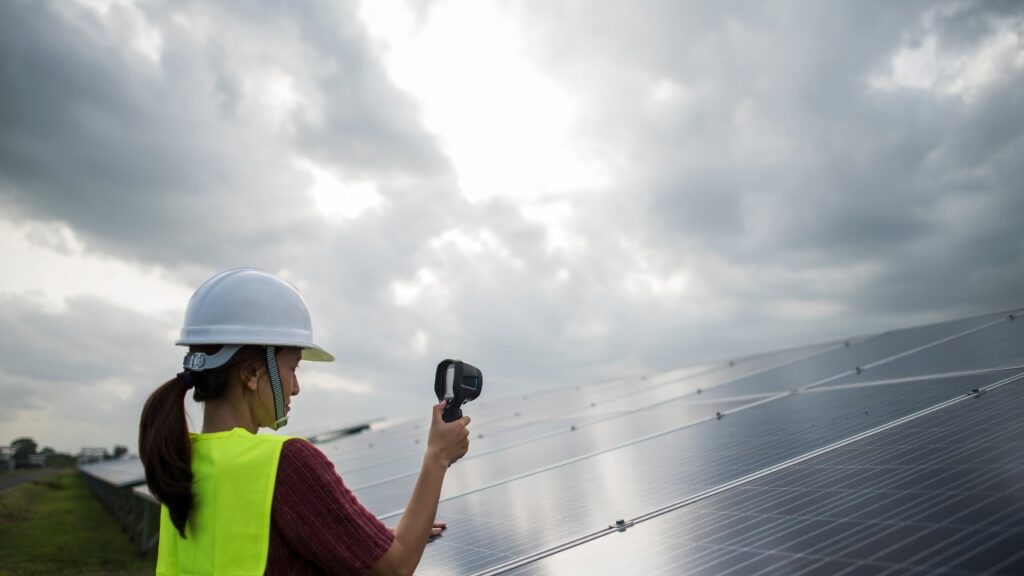
How to Maximize the Benefits of Renewable Energy Sources
To fully harness the advantages of solar water wind systems, consider these strategies:
- Conduct thorough site assessments for resource availability
- Invest in smart grid technologies and energy management systems
- Promote community involvement and education about renewable energy
- Explore financing options like subsidies, grants, or partnerships
- Focus on maintenance and continuous performance monitoring
Future Outlook for Solar Water Wind Systems
As climate change concerns intensify, solar water wind solutions will likely play a critical role in achieving global sustainability goals. Advances in battery storage, improved turbine designs, and artificial intelligence for system management are paving the way for more efficient, affordable, and widespread use.
By embracing these multi-source energy systems, governments, businesses, and individuals can contribute to a cleaner, more resilient energy future.
In conclusion, Solar-powered water wind systems offer a promising path toward transforming sustainable energy production. By leveraging the complementary strengths of renewable energy technologies and addressing associated challenges, these integrated systems can deliver cleaner power, reduce emissions, and enhance energy security worldwide.
Conclusion
Solar water wind systems represent a significant advancement in the realm of renewable energy solutions. By combining multiple clean energy sources, they offer enhanced reliability, efficiency, and environmental benefits. Despite some challenges, their potential to reduce carbon emissions and promote energy independence is undeniable. Embracing these integrated technologies is essential for a sustainable future. To stay informed about the latest developments and explore how these systems can impact energy production, continue learning and supporting clean energy innovations.