Sunflower for soil cleanup represent one of nature’s most elegant solutions to environmental contamination, transforming toxic landscapes into thriving ecosystems. These remarkable plants possess a unique ability to extract dangerous substances from contaminated ground through a process called phytoremediation. As industrial pollution and heavy metal contamination continue threatening agricultural lands and urban spaces worldwide, scientists are turning to these natural purifiers as a cost-effective alternative to expensive chemical treatments.
This article explores how sunflowers absorb lead, cadmium, and other harmful pollutants through their roots, the science behind their detoxification capabilities, and why soil remediation using plants is becoming increasingly popular. Whether you’re an environmental enthusiast, farmer, or simply curious about green technology, discover how these stunning flowers are revolutionizing the way we approach contaminated soil restoration.
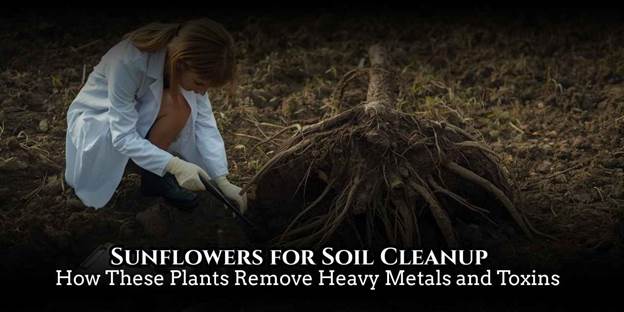
What Is Phytoremediation and How Do Sunflowers Help?
Phytoremediation is a groundbreaking environmental technology that uses living plants to clean polluted soil, water, and air. Among various plant species tested for this purpose, sunflowers have emerged as exceptional bio-accumulators due to their fast growth rate and extensive root systems. These plants work like natural vacuum cleaners, drawing contaminants from the ground and storing them in their tissues.
The process begins when sunflower roots penetrate deep into contaminated soil layers. Through their root hairs, they absorb water along with dissolved heavy metals and toxins. Once inside the plant, these harmful substances travel upward through the stem and accumulate primarily in the leaves and flowers, effectively removing them from the soil ecosystem.
The Science Behind Heavy Metal Absorption
How Sunflowers Extract Toxins
Sunflowers for soil cleanup operate through several biological mechanisms that make them particularly effective at removing pollutants:
Hyperaccumulation: Sunflowers can absorb heavy metals at concentrations much higher than typical plants without dying. Chelation: Special proteins in sunflower cells bind to toxic metals, preventing them from causing cellular damage. Transpiration: The plant’s high water uptake rate accelerates the movement of contaminants from roots to shoots.
Research has shown that sunflowers can remove significant amounts of lead, cadmium, chromium, uranium, and even radioactive cesium from contaminated sites. Their ability to tolerate these toxins while continuing to grow makes them ideal candidates for soil remediation projects.
The Root System Advantage
The fibrous root network of sunflowers extends both vertically and horizontally, allowing them to access contaminated soil at various depths. A single mature sunflower can develop roots reaching up to six feet deep, creating an extensive underground network that maximizes contact with polluted earth.
Real-World Applications of Sunflowers for Soil Cleanup
Chernobyl Nuclear Disaster
One of the most famous examples of using sunflowers for soil cleanup occurred after the Chernobyl nuclear disaster in 1986. Scientists planted sunflowers in contaminated areas surrounding the reactor to absorb radioactive elements, particularly cesium-137 and strontium-90. Floating rafts covered with these golden flowers were placed in contaminated ponds, successfully removing up to 95% of radioactive contaminants from the water within days.
Industrial Site Restoration
Manufacturing facilities, mining operations, and chemical plants often leave behind soil heavily contaminated with lead, arsenic, and other industrial pollutants. Sunflower phytoremediation offers a cost-effective alternative to traditional cleanup methods, which can involve excavating and disposing of contaminated soil at hazardous waste facilities.
Agricultural Land Recovery
Farmers dealing with heavy metal buildup from pesticides, fertilizers, or irrigation water are increasingly turning to phytoremediation techniques. Planting sunflowers as a rotation crop helps restore soil health while providing an additional harvest that can be safely processed for biofuel or disposed of properly.

Benefits of Using Sunflowers for Environmental Cleanup
Cost-Effective: Phytoremediation costs significantly less than mechanical or chemical cleanup methods. Environmentally Friendly: This green technology doesn’t introduce additional chemicals into the ecosystem. Aesthetic Appeal: Unlike industrial cleanup equipment, sunflower fields are visually pleasing and support pollinators. Carbon Sequestration: Growing plants naturally capture carbon dioxide, providing climate benefits. Minimal Soil Disruption: Unlike excavation, phytoremediation preserves soil structure and beneficial microorganisms.
Challenges and Limitations
Despite their effectiveness, sunflowers for soil cleanup face certain constraints. The process requires multiple growing seasons for heavily contaminated sites, making it slower than conventional methods. Climate and growing conditions must be suitable for sunflower cultivation, limiting geographic applications. Additionally, contaminated plant biomass requires careful disposal to prevent reintroducing toxins into the environment.
Weather extremes, pests, and diseases can also affect remediation success rates. The depth of contamination matters too, as sunflower roots can only reach pollutants within their rooting zone, typically the upper soil layers.
Maximizing Remediation Success
To optimize phytoremediation outcomes, environmental scientists recommend combining sunflowers with other hyperaccumulator plants, applying soil amendments that increase metal bioavailability, and carefully monitoring contamination levels throughout the growing season. Proper harvesting and disposal protocols ensure that extracted toxins don’t return to the environment, completing the cleanup cycle effectively.
Conclusion
Sunflowers for soil cleanup represent a promising intersection of nature and environmental science, offering an eco-friendly solution to one of our planet’s most pressing challenges. These remarkable plants demonstrate that sustainable remediation doesn’t require expensive machinery or harsh chemicals. From Chernobyl’s radioactive zones to contaminated industrial sites, phytoremediation has proven its value in restoring polluted landscapes. While challenges exist, ongoing research continues improving these techniques for broader applications. As we face increasing environmental contamination worldwide, exploring natural solutions like sunflowers for soil cleanup becomes essential. Consider supporting green remediation projects in your community or learning more about how plants can heal our damaged ecosystems.