The types of endangered animals around the world reveal a heartbreaking reality about how fragile our planet’s biodiversity has become. From majestic tigers to gentle sea turtles, countless species are fighting for their existence due to human activities and climate change.
This article explores the major groups of animals facing extinction, the causes behind their decline, and ongoing efforts to protect them. By understanding these threatened species, wildlife conservation measures, and the importance of preserving natural habitats, we can play a part in restoring balance to the environment and ensuring that future generations inherit a world rich in life and diversity.
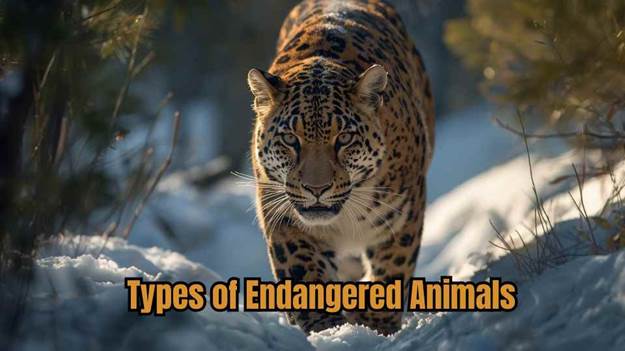
Understanding the Types of Endangered Animals and Their Global Importance
Endangered animals represent species that face a high risk of extinction in the near future. The types of endangered animals vary from large mammals to tiny amphibians, each playing a vital role in maintaining ecological balance. Their decline signals serious environmental issues such as habitat loss, pollution, and illegal hunting. Protecting them is not only a moral duty but also crucial for the planet’s long-term health and biodiversity.
What Does “Endangered” Mean?
The term “endangered” refers to species that are on the verge of disappearing completely. According to the International Union for Conservation of Nature (IUCN), animals are classified into categories like vulnerable, endangered, and critically endangered based on their population trends and survival risks. This classification helps conservationists track and prioritize efforts to save these species.
A Brief Background and History
The concept of endangered species gained global attention in the 20th century. Industrialization, deforestation, and overhunting drastically reduced animal populations. Governments and organizations began creating policies such as the Endangered Species Act and establishing protected areas to prevent further losses. Today, advanced technology and research contribute to conservation programs that monitor population recovery and genetic diversity.
Why Are Endangered Animals Important?
Every species contributes uniquely to its ecosystem. Losing even one can disrupt entire food chains. Here’s why preserving endangered species matters:
- Ecosystem stability – Each species maintains the balance of its habitat.
- Medicinal value – Many plants and animals provide compounds used in modern medicine.
- Cultural significance – Indigenous and local communities often depend on wildlife for identity and traditions.
- Tourism and economy – Wildlife reserves and national parks attract millions of visitors annually, supporting local economies.
Major Types of Endangered Animals
There are several groups of endangered animals, each facing unique threats.
1. Mammals
Mammals are some of the most well-known and easily recognized species facing the threat of extinction. Examples include tigers, elephants, rhinos, and orangutans. They suffer from habitat destruction, poaching for ivory or fur, and human-wildlife conflicts.
Examples:
- Amur Leopard: Found in Russia and China, fewer than 100 remain due to poaching and deforestation.
- Sumatran Orangutan: Native to Indonesia, these primates lose homes due to palm oil farming.
Conservation Measures:
- Anti-poaching patrols
- Reforestation projects
- Wildlife sanctuaries
2. Birds
Birds act as indicators of environmental health. When bird populations decline, it often signals ecosystem imbalance. Many species face threats from pollution, hunting, and habitat fragmentation.
Examples:
- Philippine Eagle: One of the largest eagles, threatened by illegal logging.
- Kakapo (New Zealand Parrot): Flightless and nocturnal, it nearly went extinct due to invasive predators.
Conservation Efforts:
- Breeding programs
- Predator control initiatives
- Habitat restoration
3. Marine Animals
Oceans house countless species, many now endangered due to pollution, overfishing, and rising temperatures. Plastic waste and oil spills have particularly devastating effects.
Examples:
- Hawksbill Turtle: Hunted for its shell, facing threats from coral reef destruction.
- Blue Whale: The largest mammal on Earth, still recovering from past whaling activities.
Protection Strategies:
- Marine protected zones
- Banning harmful fishing gear
- Reducing ocean pollution
4. Amphibians
Amphibians are highly sensitive to environmental changes. Their declining numbers warn of water pollution and climate change.
Examples:
- Golden Toad (Costa Rica): Declared extinct due to temperature and humidity changes.
- Axolotl (Mexico): Threatened by urbanization and water contamination.
Conservation Efforts:
- Clean water programs
- Captive breeding and reintroduction projects
5. Reptiles
Reptiles like snakes, turtles, and lizards are vital for pest control and food chains but face massive threats from illegal trade and habitat loss.
Examples:
- Komodo Dragon: Native to Indonesia, facing challenges due to habitat encroachment.
- Radiated Tortoise: Endangered by the pet trade and deforestation in Madagascar.
Efforts to Save Reptiles:
- Anti-smuggling laws
- Protected breeding grounds
6. Insects and Pollinators
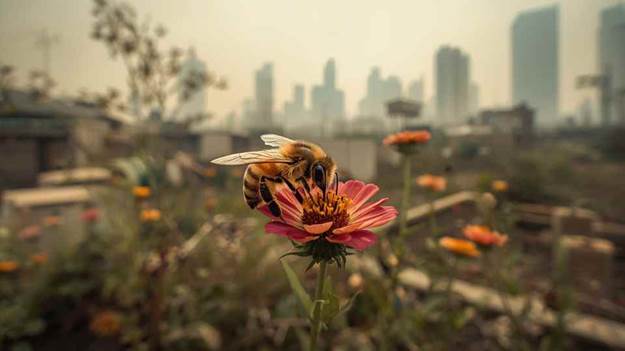
Though small, insects are essential for plant reproduction and soil health. Unfortunately, pesticides and habitat destruction are pushing many species toward extinction.
Examples:
- Monarch Butterfly: Populations have plummeted due to loss of milkweed plants.
- Honey Bees: Declining from pesticide exposure and climate shifts.
Ways to Protect:
- Reducing pesticide use
- Encouraging pollinator-friendly farming
Key Challenges in Protecting Endangered Animals
Despite global efforts, several challenges persist:
- Illegal wildlife trade continues to thrive in many regions.
- Climate change disrupts migration patterns and breeding cycles.
- Habitat fragmentation isolates populations, limiting genetic diversity.
- Lack of awareness reduces public involvement in conservation programs.
The Role of Humans in Conservation
Humans play a pivotal role in reversing the damage. Through responsible actions, we can help rebuild ecosystems.
Simple steps include:
- Supporting ethical tourism
- Donating to wildlife organizations
- Reducing waste and pollution
- Promoting education and awareness
A Hopeful Future
Though the situation is critical, ongoing conservation projects offer hope. The revival of species like the Giant Panda and Bald Eagle proves that recovery is possible with persistence and cooperation. By valuing all types of endangered animals and understanding their struggles, we can ensure that the Earth remains a thriving, living planet for generations to come.
Conclusion
The survival of different types of endangered animals depends on collective global action and awareness. Each species plays a vital role in maintaining ecological balance and ensuring the planet’s sustainability. Protecting them requires commitment through conservation, responsible choices, and continued education. By supporting wildlife protection programs and spreading awareness, we can help restore the harmony of nature. Let’s stay informed, take meaningful action, and explore ways to create a future where all living creatures can thrive safely in their natural habitats.