A waste incinerator plays a key role in addressing this challenge by converting waste materials into usable energy through controlled combustion. This process not only reduces landfill dependency but also helps in generating electricity and heat, supporting sustainable energy initiatives.
In this article, we’ll explore how incineration works, its environmental benefits, and the challenges it presents. We’ll also examine its role in sustainable waste disposal, the importance of energy recovery, and how modern waste treatment technologies are transforming the future of urban waste management.
Definition and Concept of Waste Incinerator
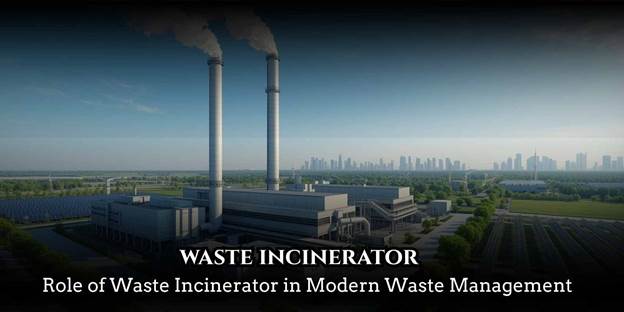
A waste incinerator is a specialized facility designed to burn municipal, industrial, or hazardous waste under high temperatures to reduce its volume and convert it into energy. The process transforms solid waste into gases, ash, and heat, which can be used for electricity generation or district heating. This method is a cornerstone of integrated waste management, helping reduce landfill usage while contributing to energy recovery systems. The incineration process is tightly controlled to minimize air pollution and maximize efficiency.
Background and Evolution of Waste Incineration
The history of waste incineration dates back to the late 19th century when cities began seeking solutions to manage growing waste volumes. Early incinerators were basic furnaces that focused solely on waste reduction, often releasing unfiltered smoke into the atmosphere. Over time, technological advancements have transformed the waste incinerator into a sophisticated system equipped with air pollution control devices and heat recovery units. Today’s plants integrate modern automation, continuous emission monitoring, and sustainable energy practices, making them safer and more environmentally efficient.
Importance of Waste Incinerators in Modern Waste Management
In an era of environmental awareness and sustainability, the importance of waste incinerators has grown significantly. They not only help in reducing waste volume but also support renewable energy generation. By converting waste into electricity and heat, incinerators contribute to the circular economy, turning discarded materials into useful resources. Moreover, they minimize the environmental burden caused by overflowing landfills and methane emissions. For densely populated cities, waste-to-energy plants provide an efficient alternative to traditional disposal methods, ensuring continuous waste treatment and cleaner surroundings.
How Waste Incineration Works
The operation of a waste incinerator involves several key stages, each optimized for efficiency and safety. The process typically includes:
•Waste collection and sorting for removal of non-combustible materials
•Feeding waste into the incineration chamber for controlled burning at high temperatures
•Converting heat energy into steam for electricity or district heating
•Capturing residual ash and treating it for reuse or safe disposal
•Filtering and cleaning flue gases through advanced emission control systems
Each step ensures that the environmental impact is minimized while maximizing energy output and resource recovery.
Benefits of Waste Incinerators
The advantages of using incineration in waste management are numerous and extend beyond simple waste reduction. Key benefits include:
•Significant reduction in waste volume, up to 90% less than original mass
•Generation of renewable energy, contributing to green power production
•Decreased reliance on landfills and reduction in methane emissions
•Improved urban waste management efficiency
•Opportunity for metal recovery from bottom ash for recycling
•Lower transportation and storage costs due to volume reduction
These benefits make waste incinerator systems an essential part of modern sustainability strategies, especially in urban and industrial zones.
Environmental Concerns and Challenges
Despite its many benefits, waste incineration faces criticism and environmental challenges. One of the main concerns is the emission of toxic gases such as dioxins and furans if the process is poorly managed. Although modern incinerators are equipped with flue gas treatment technologies, public perception often remains skeptical due to historical pollution incidents. Other challenges include:
•High initial investment and maintenance costs for advanced facilities
•Complex regulatory compliance for emission standards
•Need for continuous monitoring to ensure safe operation
•Concerns over potential impact on recycling initiatives
To address these issues, new waste incinerator designs focus on improved combustion efficiency and integration with renewable energy systems to enhance environmental compatibility.
Innovations and Technological Advancements
The future of waste incineration lies in innovation and sustainable design. Modern plants are adopting smart waste management technologies and digital monitoring systems that enhance performance and reduce environmental risk. Some of the latest innovations include:
•Advanced thermal recovery systems that improve energy conversion efficiency
•Use of AI-based automation for better process control and safety
•Integration of carbon capture technologies to reduce greenhouse gas emissions
•Designs that combine incineration with recycling for maximum material recovery
Such advancements are making waste incinerator facilities more sustainable, economically viable, and environmentally responsible, setting new standards for global waste management practices.
Global Examples of Waste Incineration Success
Across the world, several countries have demonstrated the successful use of incineration in managing waste and producing clean energy. Examples include:
•Sweden, where over 50% of household waste is incinerated to generate electricity and heat
•Japan, known for its compact and highly efficient urban incineration plants
•Germany, which uses advanced emission control technologies to ensure near-zero pollution levels
•Singapore, where integrated waste-to-energy facilities handle almost all non-recyclable waste
Future Outlook
The future of waste incineration looks promising as global waste generation continues to rise. Governments and industries are increasingly investing in cleaner and smarter incineration technologies to achieve zero waste goals and energy efficiency. As innovation continues, the waste incinerator is expected to evolve into a fully integrated system that complements recycling and maximizes energy recovery. With growing emphasis on sustainable urban development, these facilities will play a vital role in creating cleaner, greener, and more energy-efficient cities worldwide.
Conclusion
The waste incinerator plays a crucial role in modern waste management by converting waste into energy and reducing landfill dependence. With advanced technology, it promotes cleaner cities and sustainable energy use. Though challenges like emissions and costs persist, innovation continues to make these systems safer and greener.