
The weather intensity we experience today is becoming increasingly unpredictable, impacting daily life, agriculture, and infrastructure worldwide. From scorching heatwaves to sudden downpours, the strength and frequency of weather events are influenced by several complex factors.
In this article, we will explore the key drivers behind these dramatic shifts, including climate change, atmospheric pressure, and ocean currents, while examining how temperature variations and storm systems contribute to extreme conditions. Readers will gain insight into how scientists measure and predict weather severity, the role of precipitation patterns, and the global consequences of intensified storms.
By understanding these dynamics, we can better prepare for future challenges and mitigate risks linked to fluctuating environmental conditions. This guide offers a clear, comprehensive look at the forces shaping our weather today.

What Is Weather Intensity?
Weather intensity refers to the strength and severity of atmospheric conditions in a specific region at a given time. It encompasses phenomena such as heavy rainfall, strong winds, extreme temperatures, storms, and other unusual events. Understanding weather intensity is crucial for predicting natural disasters, managing agriculture, planning infrastructure, and ensuring public safety. By monitoring changes in temperature, humidity levels, and storm systems, meteorologists can assess potential risks and provide accurate forecasts.
Over time, advances in technology and atmospheric science have allowed for more precise tracking of these conditions, helping communities prepare for sudden shifts in weather patterns.
Historical Overview of Weather Intensity
Weather patterns have always shaped human history, but the study of weather intensity gained momentum in the 20th century. Early civilizations relied on observation of cloud formations, wind patterns, and seasonal cycles to predict storms and rainfall. With the invention of barometers, anemometers, and thermometers, scientists could quantify the severity of atmospheric conditions more accurately.
Modern satellite technology and computer modeling now provide real-time data on climate change, ocean currents, and extreme weather events. Understanding the historical context helps explain why regions prone to hurricanes, tornadoes, or monsoons experience certain patterns repeatedly and how human activity is now influencing these natural cycles.
Key Features of Weather Intensity
The key features of weather intensity include measurable and observable factors that indicate the potential impact of a weather event. These include:
- Wind speed and direction which determine storm severity
- Rainfall volume and precipitation patterns affecting flooding risks
- Temperature fluctuations that can trigger heatwaves or cold snap
- Atmospheric pressure changes indicating the likelihood of storms
- Humidity levels which influence storm formation and rainfall intensity
Monitoring these features allows for early warnings and effective risk management. Regions with high variability in these factors tend to experience greater fluctuations in weather intensity, making preparedness strategies vital.
Types of Weather Intensity
Weather intensity can be categorized into various types based on the phenomenon:
Storm-Related Intensity
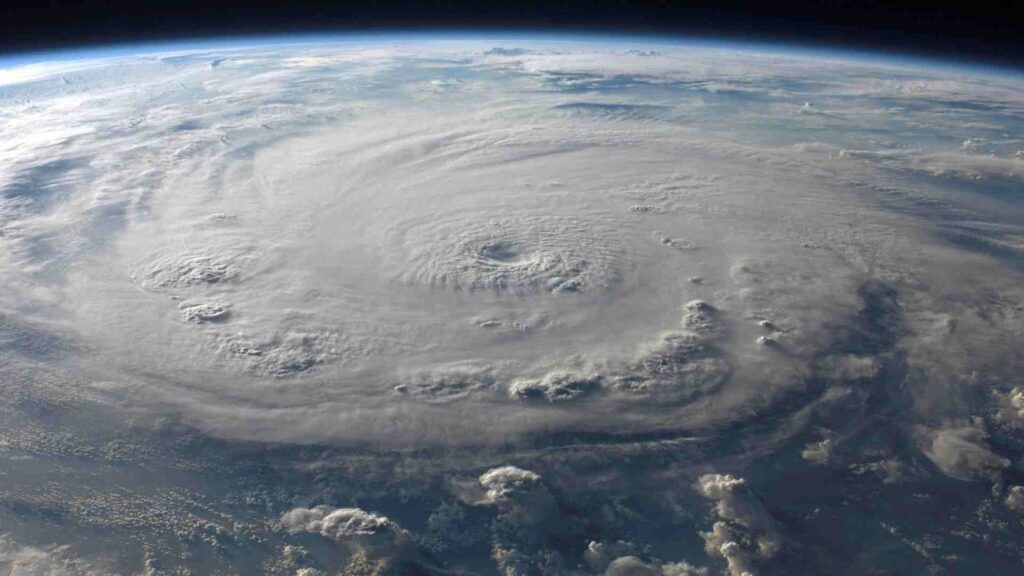
Storms, including hurricanes, cyclones, and thunderstorms, demonstrate high wind speeds, heavy rainfall, and potential damage. Their intensity is often measured using specialized scales such as the Saffir-Simpson Hurricane Wind Scale.
Temperature Extremes
Heatwaves and cold spells are indicators of temperature intensity. Prolonged periods of extreme temperatures affect public health, agriculture, and energy consumption.
Precipitation Intensity
Heavy rainfall, snowfall, or hailstorms reflect high precipitation intensity. This type can lead to floods, landslides, or waterlogging, impacting communities and ecosystems.
Atmospheric Pressure Changes
Rapid drops or spikes in pressure systems can intensify storms and disrupt normal weather patterns. These changes are closely monitored to forecast severe weather events.
Importance of Monitoring Weather Intensity
Understanding weather intensity has several advantages for individuals, communities, and governments:
- Enhances disaster preparedness and reduces damage
- Supports agricultural planning and crop protection
- Aids in urban infrastructure development
- Improves energy management by anticipating heating or cooling needs
- Contributes to climate research for long-term environmental strategies
Accurate monitoring allows for timely alerts, saving lives and minimizing economic losses. Integrating satellite imaging, meteorological models, and historical data ensures a holistic understanding of weather risks.
Challenges in Assessing Weather Intensity
Despite technological advancements, predicting weather intensity remains challenging:
1.Rapidly changing storm systems can defy predictions
2.Localized weather events are difficult to forecast with precision
3.Climate change introduces unpredictable patterns and extreme events
4.Limited data in remote areas hampers accurate modeling
5.Infrastructure and preparedness vary across regions, affecting response efficiency
Addressing these challenges requires continuous investment in meteorological research, public awareness campaigns, and international collaboration for data sharing
Recommendations for Dealing with High Weather Intensity
To manage and adapt to increasing weather intensity, experts recommend:
- Developing early warning systems for extreme weather events
- Promoting community awareness and disaster preparedness
- Investing in resilient infrastructure in vulnerable areas
- Enhancing climate adaptation strategies for agriculture and urban planning
- Supporting research on weather prediction and climate mitigation
By combining scientific knowledge with proactive planning, communities can reduce the adverse effects of severe weather events while adapting to changing environmental conditions.
Conclusion
Understanding weather intensity is essential for preparing for extreme environmental conditions and protecting communities. By examining its key features, types, and historical patterns, we gain insights into how storms, temperature extremes, and precipitation patterns impact daily life. Despite challenges in forecasting due to climate change and localized variability, monitoring these phenomena enables effective risk management and strategic planning.
Implementing early warning systems, resilient infrastructure, and informed policies ensures safety, minimizes losses, and enhances adaptation to evolving weather dynamics. Awareness and proactive measures remain vital in addressing the growing influence of severe weather events worldwide.